

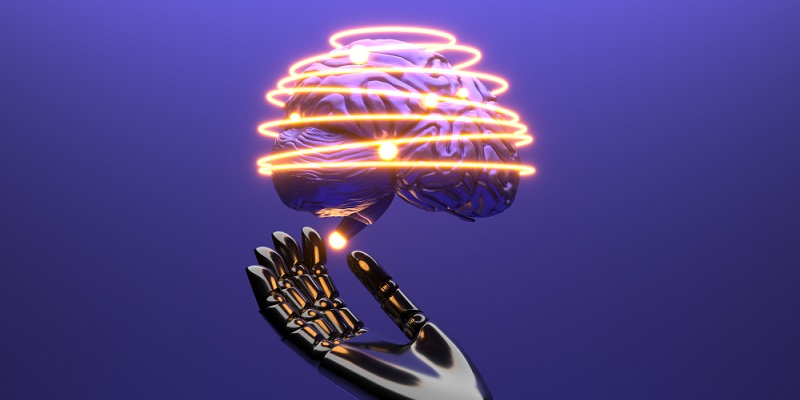
Machine Learning (ML) and Artificial Intelligence (AI) are two technologies that have been gaining prominence over the years. ML and AI are the driving forces behind various technologies we use every day without even realizing it. We are surrounded by the magic and mystery of these technologies that are shaping our lives in ways we could have never imagined. From self-driving cars to online customer service bots, ML and AI have become an integral part of our daily lives. In this article, we will take a journey through the magic and mystery of ML and AI, exploring the frontiers of technology.
The Journey of Machine Learning and AI
The journey of ML and AI is often seen as complex, which can be a barrier to understanding these technologies. But once we embrace the magic and mystery of ML and AI, we can gain a deeper understanding of their potential. ML and AI are not just buzzwords, but they have real-world applications that are revolutionizing various industries. The journey starts with gaining a deeper understanding of ML and AI and how they can be applied in different areas.
The role of data in machine learning
Data is the lifeblood of machine learning applications. The more data we have, the more accurate our predictions will be. In ML, we start with data – lots of it! But not just any data, we need quality data that is relevant to the problem we are trying to solve. There are different types of data used in ML, such as structured, unstructured, and semi-structured data. We need to use the right type of data for the problem we are trying to solve.
The Incantation of Machine Learning
Once we have the data, we need to feed it into an algorithm to create a predictive model. The algorithm is the software that will identify patterns in the data and create a predictive model. There are several different types of algorithms, such as decision trees, random forests, and neural networks. The choice of algorithm will depend on the type of problem we are trying to solve. Once we have created the model, we can then use it to make predictions.
The Future of Machine Learning and AI
ML and AI are constantly evolving. As we come to the end of our journey, let’s peer into the crystal ball and glimpse the future of ML and AI. The future of ML and AI looks bright, with advancements in research and applications of ML in various industries. The roles of machine learning engineers, data scientists, and AI researchers will become increasingly important in shaping the future of ML and AI.
The Art and Science of Machine Learning
Training a machine learning model is analogous to taming a wild beast by feeding and tuning its mind until it transforms into a well-behaved predictor. In machine learning, we need to balance science and creativity, as tuning a model is a crucial step in guaranteeing its accuracy. We need to exercise creativity while designing the algorithms that will assist us in making precise predictions. Maintaining a balance between science and creativity is fundamental to developing effective models.
Support Vector Machines in Machine Learning
Support Vector Machines (SVM) is one of the most popular types of algorithms used in ML. It is a powerful tool that can be used to classify and separate different data points. SVM is particularly useful when dealing with unstructured data, such as images and text. SVM draws invisible lines to classify and separate data points effectively. It is widely used in image recognition and natural language processing.
Versatility of Machine Learning and AI
ML and AI are capable of tackling a variety of tasks, from image recognition to natural language processing, and these technologies can handle them all! The applications of ML and AI are limitless, and the future of these technologies looks bright. As ML and AI engineers, data scientists, and AI researchers, we hold the keys to this future.
In conclusion, the magic and mystery of ML and AI continue to reshape our daily lives, and their importance cannot be overstated. We have explored the frontiers of technology and uncovered the significance of data, algorithms, and creativity in ML and AI. The future of ML and AI looks bright, and there is still a lot of work to be done. Let’s continue to explore the frontiers of ML and AI and unleash the endless possibilities of these technologies.