

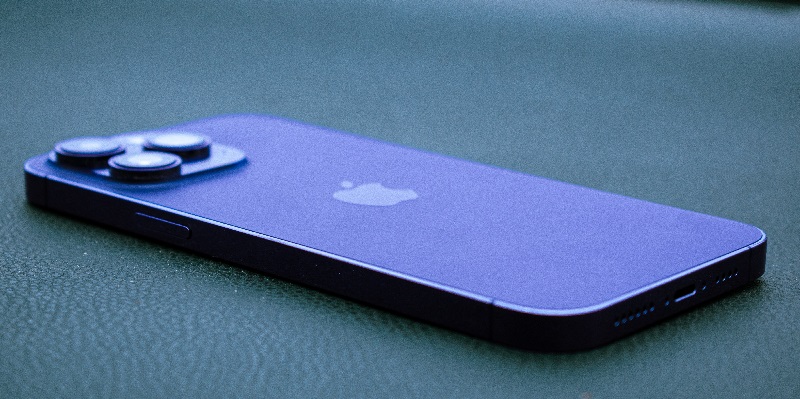
The highly anticipated iPhone 15 lineup is just around the corner, and rumors suggest that Apple is set to make a significant change to its charging port. In line with a new European Union (EU) rule, the forthcoming iPhone models are expected to replace the Lightning port with a USB-C port. This shift raises numerous questions about compatibility, charging speeds, and the functionality of the devices. Leaked images have also surfaced online, hinting at the existence of a mysterious 3LD3 chip from Apple. This article aims to delve deeper into these developments and shed light on what users can expect from the iPhone 15 series.
Leak Reveals Apple’s 3LD3 Chip
Excitement abounds as leaked images showcase an intriguing Apple-made chip, tentatively named the 3LD3 chip. Although the functionality of this chip remains shrouded in mystery, speculation abounds. Apple is known for pushing boundaries when it comes to technological advancements, and this chip could potentially play a vital role in enhancing various aspects of the iPhone 15’s performance.
The Chip’s Likely Applications
Experts have proposed several theories regarding the potential usage of the 3LD3 chip. One possibility is its role in transmission encryption, reinforcing Apple’s commitment to user privacy and data security. Additionally, there are rumors that this chip might be leveraged to limit charging speeds, providing a safeguard against overheating and potential battery damage.
Certified Apple Cables for Optimal Charging
For those seeking faster charging speeds on their iPhone 15, it may be necessary to utilize certified Apple cables. While third-party cables are widely available, they may be software-limited in terms of data transfer and charging speed. To ensure optimal charging performance, Apple is likely to recommend using their own cables, which have undergone rigorous testing and meet the necessary standards.
Compatibility of USB-C Cables
Fortunately, existing USB-C cables found around the house will still be compatible with the iPhone 15 lineup. However, to unlock the full functionality, it is advisable to use a made-for-iPhone USB-C cable. Apple’s proprietary cable may offer additional benefits such as faster data transfer rates and improved charging efficiency.
The Countdown to Unveiling
Enthusiasts are eagerly awaiting Apple’s official unveiling of the iPhone 15 series, with the event anticipated to occur next month. The tech giant has consistently managed to captivate the audience during its product launches, leaving users excited about the latest innovations and upgrades. The iPhone 15 lineup promises to be no exception, potentially revolutionizing the smartphone industry yet again.
Exciting Features for iPhone 15 Pro Models
Rumors suggest that the Pro models within the iPhone 15 lineup may cater to the needs of power users with an array of impressive features. These models could come at a higher price point, partly due to their titanium construction, which enhances durability without compromising on design aesthetics. The improved lenses are expected to provide superior camera capabilities, and a 3nm A17 Bionic chip will power these devices, boasting exceptional performance and energy efficiency. Additionally, thinner bezels and a 6x periscope camera are speculated to be among the distinguishing features of the Pro models.
Focus on USB-C Connector for iPhone 15 Plus
Leaked images have fueled speculation that the USB-C connector will specifically be featured in the iPhone 15 Plus model. While details surrounding this variant remain scarce, many are eager to discover the unique advantages this particular device might bring to the table. Apple’s strategic decision to potentially differentiate the Plus model with a USB-C port hints at exciting possibilities for users seeking expanded functionality and enhanced performance.
Mandatory Transition to USB-C
It is crucial to note that Apple’s adoption of USB-C for the iPhone 15 lineup aligns with a new EU rule on charging ports. This regulation aims to promote standardization across devices, reduce electronic waste, and enhance consumer convenience. The switch to USB-C as a mandatory requirement could have far-reaching implications, not only for Apple but also for other smartphone manufacturers, ultimately benefiting consumers with a more unified charging ecosystem.
As the release of the iPhone 15 series draws nearer, anticipation continues to mount regarding the shift from Lightning to USB-C. Users can expect enhanced charging capabilities, compatibility with existing USB-C cables, and the need for certified Apple cables for optimal charging performance. The intriguing 3LD3 chip further adds to the excitement, raising questions about its functionality and potential applications. Overall, the iPhone 15 lineup promises to deliver groundbreaking features and improvements, ensuring that Apple continues to captivate users and set new standards within the smartphone industry.