

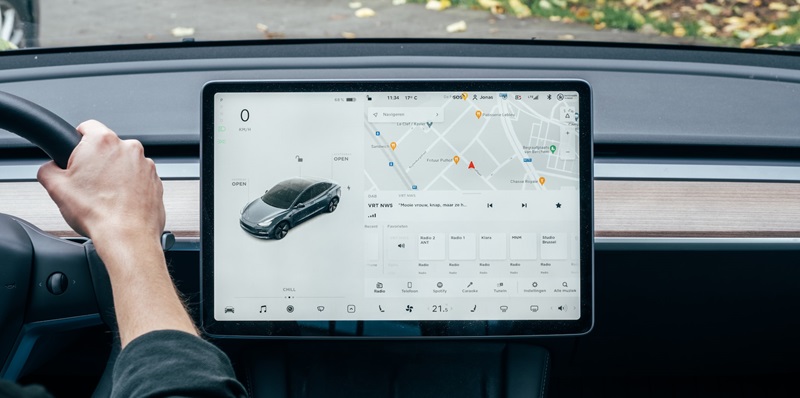
Smart cars have revolutionized the automotive industry, offering a plethora of advanced features that enhance convenience and safety on the roads. From telematics systems to GPS technology, these vehicles are equipped with cutting-edge capabilities. However, as smart cars become more prevalent, concerns about data tracking and privacy have started to emerge. This article delves into the intricacies of data collection, the potential privacy implications, and the need for robust legal frameworks to address these issues.
Telematics Systems and Data Tracking
Modern vehicles with smart features typically have telematics systems that track a wide range of information. Included in this wealth of data are location, speed, and driving patterns. By continuously monitoring and analyzing these variables, smart cars can provide valuable insights for various purposes, such as improving route optimization or enhancing driver behavior.
Privacy Concerns with Smart Car Data
While the collection of data offers undeniable benefits, it also raises significant privacy concerns. One of the primary worries is the unauthorized sharing of data with third parties. Insurance firms, advertising companies, and law enforcement agencies may gain access to this information, potentially compromising an individual’s privacy and personal autonomy.
GPS Technology in Smart Cars
A fundamental component of smart car functionality is the utilization of GPS technology. By leveraging satellites, smart cars can precisely determine their location at all times. This real-time positioning capability not only facilitates navigation but also enables features such as stolen vehicle tracking and geofencing.
Vehicle Maintenance Data Tracking
Beyond location and driving patterns, telematics systems assist in vehicle maintenance by tracking crucial data related to engine health, tire pressure, and fuel efficiency. Through proactive monitoring, smart cars can provide owners with vital maintenance alerts, ensuring optimal performance and minimizing the risk of unexpected breakdowns.
Data Collection and Autonomous Vehicle Technology
Data collection plays a pivotal role in the development and improvement of autonomous vehicle technology. The vast amounts of data gathered from smart cars enable manufacturers and researchers to analyze and refine algorithms for autonomous driving systems, thereby enhancing their effectiveness and safety.
Personal Data Gathered by Smart Cars
The rise of smart automobiles also raises concerns about the gathering of personal data. Location, driving patterns, and even entertainment choices are just a few examples of the wealth of personal information that smart cars accumulate. This accumulation of sensitive data raises questions about the extent to which individuals’ privacy is being maintained.
Cybersecurity Concerns with Smart Cars
With the increasing interconnectivity of smart cars, robust cybersecurity measures are essential. Cybersecurity breaches can result in unauthorized access to personal data, leading to privacy concerns. Moreover, hackers gaining control of the vehicle’s systems can pose significant safety risks, potentially causing accidents or other malicious activities.
Lack of Awareness about Data Collection
One critical challenge is the lack of awareness among vehicle owners regarding the scope and extent of data collection, usage, and disclosure. Individuals often fail to realize that their smart cars are constantly gathering and transmitting data. This lack of transparency hinders informed decision-making and raises concerns about the level of control individuals have over their personal data.
Unwanted Uses of Smart Car Data
The potential for unwanted use of smart car data is a legitimate concern. For instance, data can be exploited by insurance companies to raise premiums based on a driver’s history. Secret monitoring and identification of motorists also presents serious privacy infringements. Striking the right balance between benefiting from data usage and protecting individual privacy rights is crucial.
Legal Frameworks and Determining Fault
To address the privacy concerns surrounding smart car data, well-defined legal frameworks are required. These frameworks should provide clarity on who holds responsibility for any misuse of data: the driver, the automaker, or the software engineer. Such frameworks would promote accountability, transparency, and the protection of consumer privacy.
Smart cars have undeniably enhanced our driving experience by offering advanced features and conveniences. However, the increasing reliance on data tracking raises significant privacy concerns. Striking the right balance between leveraging data for innovation and respecting individual privacy rights is paramount. Policymakers, automakers, and consumers must collaborate to establish robust legal frameworks to safeguard privacy while harnessing the benefits of smart car technology.