

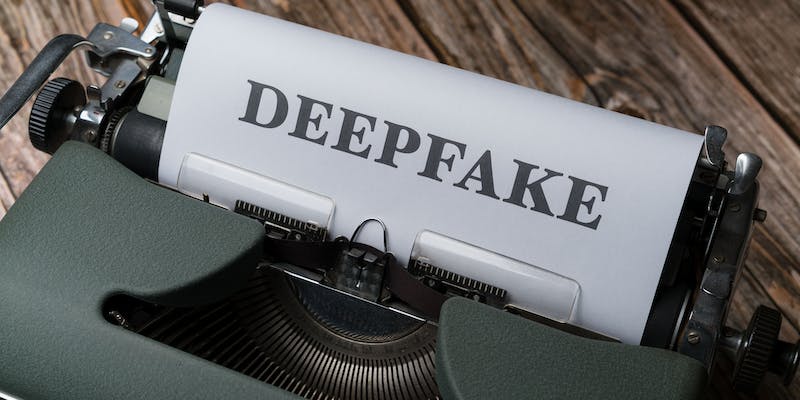
In today’s digital age, deepfakes have emerged as a pressing concern. These highly realistic manipulated videos, images, and audio have the potential to deceive and mislead audiences. Data science plays a pivotal role in deciphering the complexity of deepfakes, as well as developing techniques to combat their harmful effects.
The Role of Data Analysis in Deepfake Technology
At the core of deepfake technology lies a rigorous data analysis and processing process. By analyzing vast amounts of data, machine learning algorithms learn to mimic the visual and auditory characteristics of the target person. This training data includes images, videos, and audio recordings, which are used to create a replica of the target’s appearance and voice. The accuracy and quality of deepfakes heavily rely on the thoroughness of the data analysis phase.
Ethical concerns in deepfake creation
While deepfakes have garnered attention for their entertainment value, there are significant ethical concerns associated with their creation. Consent becomes a central issue, as individuals may find their likeness or voice used in deepfakes without their knowledge or permission. Privacy breaches arise when personal information is used for the creation of deepfakes. Furthermore, the potential for deepfakes to spread misinformation and manipulate public opinion is a growing concern.
The Ethical Dimension of Data Science in Deepfake Technology
As data science plays a fundamental role in the development of deepfake technology, ethical considerations become paramount. It is crucial to maintain public trust by ensuring that deepfakes are used for beneficial purposes, such as entertainment or educational applications. Regulatory frameworks and guidelines can help navigate the ethical landscape, ensuring that deepfake technology is not abused.
Increasing difficulty in distinguishing deepfakes
As deepfake technology advances, distinguishing between genuine and manipulated content becomes increasingly challenging. The visual and audio quality of deepfakes continues to improve, making it difficult for humans to detect their presence. This emphasizes the need for sophisticated algorithms and artificial intelligence to accurately identify deepfakes.
Current deepfake detection methods
The current methodologies in deepfake detection predominantly revolve around machine learning algorithms. These algorithms are trained on vast datasets of both real and fake content, enabling them to identify patterns and inconsistencies. However, these methods encounter limitations, particularly as deepfake technology evolves to correct inaccuracies and fool detection algorithms.
Limitations of current deepfake detection methods
While machine learning algorithms have shown promise in deepfake detection, they face several challenges. Deepfakes constantly evolve, adapting to address existing detection techniques. This arms race between deepfake creators and detection algorithms poses a substantial hurdle for current methods. Moreover, subtle manipulations and advances in generative models make it challenging to distinguish between genuine and manipulated content.
Advanced Deep Learning Models for Deepfake Detection
To overcome the limitations of current detection methods, researchers have explored advanced deep learning models. These models analyze audio-visual inconsistencies in deepfakes, focusing on discrepancies between facial movements and corresponding speech. By examining micro-expressions and lip-syncing accuracy, these models can identify potential deepfake manipulations, enhancing detection capabilities.
Utilizing blockchain for digital content verification in deepfakes
Another promising avenue in deepfake detection and content verification involves the utilization of blockchain technology. By timestamping and storing digital content on a decentralized ledger, blockchain can provide immutable proof of authenticity. This can help verify the origin of content and detect any unauthorized modifications, thereby increasing trust and accuracy in the digital space.
Ongoing research and development in the field of deepfakes heavily relies on data science. Understanding the intricacies of deepfake technology, analyzing vast amounts of data, and detecting manipulation are all vital aspects of combating the harmful effects of deepfakes. In this rapidly evolving landscape, it is critical to prioritize the ethical dimension of data science to ensure that deepfake technology is harnessed for positive and legitimate purposes.