

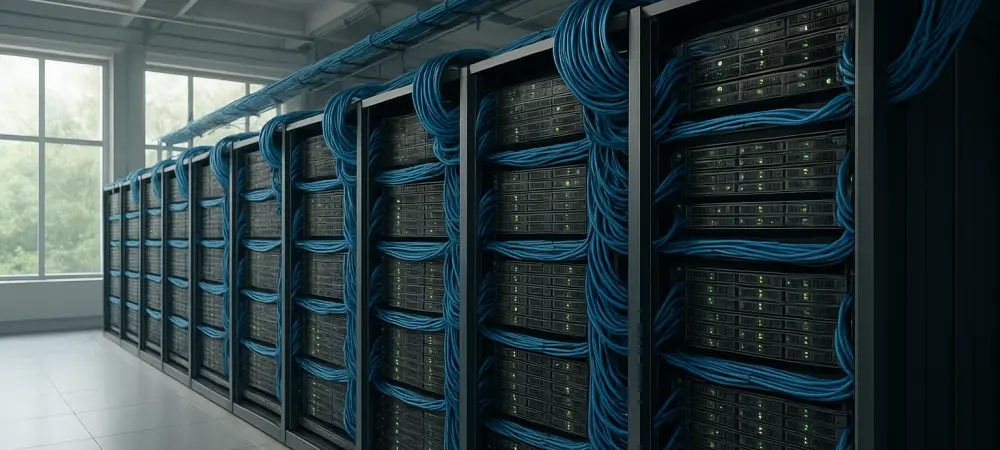
A true machine-to-machine economy is emerging where software entities independently purchase the computing power they need to complete assigned tasks. This development represents a fundamental shift in how digital resources are allocated, moving away from the rigid structures of legacy data centers toward a fluid, decentralized marketplace. In this new era, the combination of artificial intelligence and blockchain is no longer a theoretical concept but a robust reality that powers a global ecosystem of distributed intelligence. By decoupling intelligence from centralized ownership, these technologies have democratized access to the computational tools required for high-level innovation. Rather than relying on the goodwill of a few technology giants, developers now utilize transparent, cryptographic protocols to verify the integrity of their models and the data that feeds them. This shift ensures that the evolution of intelligence remains an open, competitive endeavor, where the focus has moved from simple speculative assets to the creation of a resilient infrastructure.
Coordinating Global Intelligence Through Distributed Architecture
The operational core of this movement lies in the use of blockchain as a foundational coordination layer, which effectively replaces the traditional corporate oversight found in legacy AI development. In a standard enterprise setting, a single entity manages the entire vertical stack, including the raw hardware, proprietary datasets, and the final trained models. However, the decentralized approach breaks these silos by distributing various roles among independent participants across the globe. Some contributors provide the necessary GPU processing power, while others offer specialized datasets or refined algorithmic models. These participants are then compensated with digital assets based on the verified quality and utility of their specific contributions, as dictated by the underlying network protocols. This framework creates a transparent and equitable environment where resources are allocated based on merit and performance, ensuring that the most efficient solutions naturally rise to the prominence within the ecosystem.
A sophisticated example of this decentralized coordination can be found in modular networks like Bittensor, which facilitate competitive marketplaces for a wide array of digital tasks. These networks operate through specialized subnets that focus on diverse applications, ranging from high-precision financial trading signals to complex genomic analysis and decentralized storage. Within these subnets, participants known as miners compete to deliver the most accurate or innovative outputs, while validators continuously assess the quality of these contributions to maintain network integrity. This self-optimizing system ensures that only the highest-performing models receive significant rewards, effectively filtering out inefficiency and low-quality data. By leveraging these incentive structures, the network fosters a collaborative yet competitive environment that operates entirely without a central authority, proving that large-scale machine intelligence can be managed through distributed consensus rather than corporate hierarchies.
Solving Hardware Scarcity with Decentralized Compute Markets
Addressing the persistent challenge of hardware scarcity has become a primary driver for the adoption of decentralized compute markets in the current landscape. The global demand for high-performance Graphics Processing Units has consistently outpaced supply, creating a bottleneck that previously restricted AI development to well-funded organizations with established hardware contracts. Decentralized networks have solved this problem by aggregating idle processing capacity from a global pool of individual owners and smaller data centers. This peer-to-peer approach allows developers to access the specific amount of compute they need exactly when they need it, bypassing the lengthy procurement processes and high costs associated with traditional cloud providers. By transforming static hardware into a liquid asset, these platforms ensure that even the most demanding machine learning and generative tasks can be executed efficiently without relying on a handful of gatekeepers who control the hardware supply chain.
Furthermore, the integration of programmable interfaces within these compute marketplaces has fundamentally changed how developers interact with hardware resources. Instead of manual provisioning, software applications can now programmatically request and secure GPU power through automated APIs, allowing for dynamic scaling based on real-time project requirements. This level of flexibility is particularly vital for training large-scale models and performing complex inference at scale, where resource needs can fluctuate significantly throughout the development cycle. By removing the friction associated with hardware acquisition, decentralized compute platforms have fostered a surge in niche AI applications that were previously considered cost-prohibitive. This democratization of processing power not only levels the playing field for smaller startups but also creates a resilient digital infrastructure that is less vulnerable to centralized failures, ensuring a more stable and diverse technological future.
The Evolution of Autonomous AI Agents and Machine Economies
The emergence of autonomous AI agents represents one of the most sophisticated applications of the convergence between intelligence and distributed ledgers. These software entities are now capable of operating independent digital wallets, allowing them to manage their own financial resources and execute transactions without direct human intervention. This capability facilitates a true machine-to-machine economy where an agent can autonomously purchase additional compute power or acquire specific datasets to complete a user-defined task. For instance, an agent tasked with conducting a market analysis could independently hire a specialized secondary agent to perform data cleaning or sentiment analysis, settling the payment instantly through a smart contract. This level of financial autonomy reduces the friction inherent in digital commerce and enables the creation of self-sustaining ecosystems where AI entities can collaborate and trade services with high precision, speed, and transparency. The successful integration of the AI and blockchain intersection moved the global industry beyond speculative hype and toward a focus on substantive digital infrastructure. Stakeholders realized that the long-term viability of these decentralized networks depended on their ability to deliver secure, cost-effective, and reliable services that rivaled traditional centralized models. Consequently, developers prioritized the implementation of robust security protocols and rigorous auditing processes to mitigate the risks associated with autonomous financial agents. Industry leaders also focused on creating clear regulatory frameworks that balanced the need for innovation with essential consumer protections. Organizations that successfully integrated these distributed systems saw a marked increase in efficiency and a reduction in the barriers to development. This shift toward a transparent, decentralized machine economy provided a blueprint for digital interaction, where intelligence and commerce functioned seamlessly.