

Setting the Stage for a Digital Powerhouse
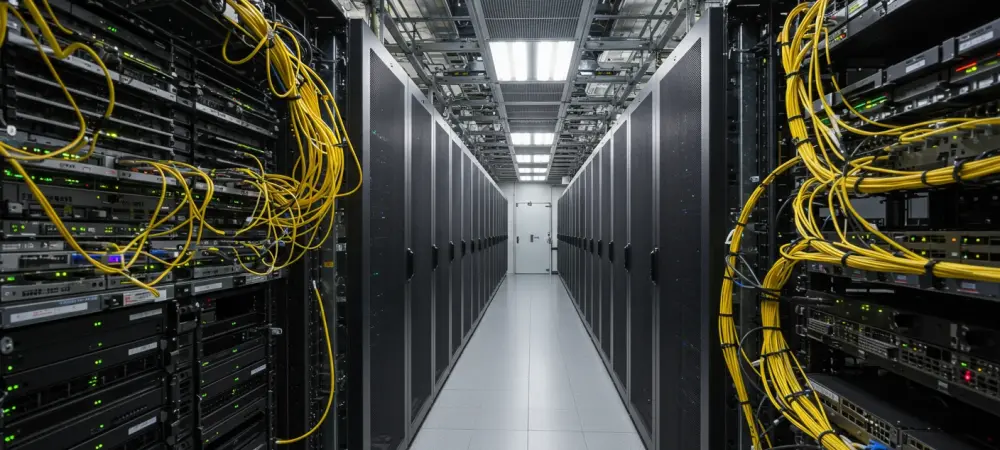
Imagine a Southeast Asian nation rapidly transforming into a digital epicenter, where massive computing clusters and sustainable energy solutions converge to power the future of technology. Thailand has emerged as a surprising yet formidable contender in the global data center landscape, fueled by billions in investments and a strategic vision to become a regional tech hub. This surge is not just about infrastructure; it represents a pivotal shift in how digital services, from e-commerce to artificial intelligence, are delivered across the region.
The driving force behind this transformation lies in Thailand’s unique blend of geographic advantage, economic incentives, and a burgeoning demand for cloud computing. Positioned at the heart of Southeast Asia, the country serves as a gateway for connectivity, making it an ideal spot for data center development. As global tech giants and regional players pour resources into this market, the implications for innovation and economic growth are profound, setting the stage for a deeper exploration of this technological boom.
Analyzing the Core of Thailand’s Data Center Technology
Galaxy Data Center’s $2 Billion Leap
At the forefront of Thailand’s data center expansion is China’s Galaxy Data Center (GDC), a subsidiary of Hoyinn Technologies, which has committed an impressive $2 billion to establish a cutting-edge computing cluster in Rayong. Located within the Eastern Economic Corridor (EEC) at Silicon Tech Park in Ban Chang District, this project is designed to leverage the region’s business-friendly environment. The integration of a photovoltaic power plant underscores GDC’s commitment to sustainable operations, aligning with global trends toward green technology.
Beyond infrastructure, GDC’s vision, as articulated by founder Feng Hui, focuses on creating a green digital hub through gigawatt-scale AI data center technologies. This initiative prioritizes not just performance but also environmental responsibility by tapping into international green energy resources. Such an approach positions the project as a benchmark for how large-scale tech deployments can balance efficiency with ecological impact.
A distinctive feature of GDC’s strategy is its emphasis on local talent development and knowledge transfer. By fostering partnerships and building a robust digital ecosystem, the company aims to empower the Thai workforce, ensuring that the benefits of this technological advancement extend beyond corporate gains. This focus on community integration adds a layer of social value to the investment, enhancing its long-term impact.
Broader Market Dynamics and Tech Investments
Thailand’s data center sector is not a one-player game; it features a diverse array of international contributors driving technological innovation. China’s Haoyang Data has secured land in Rayong for a 300MW facility, while Stratus Technology has gained approval for a $727 million project under the Board of Investment (BOI) incentives. Singapore’s Empyrion also joins the fray with a $140.5 million, 12MW data center, reflecting the breadth of interest in this market.
Global tech powerhouses are equally active, with Alibaba Cloud and AWS expanding their footprint through new data centers and cloud regions. These developments highlight Thailand’s growing reputation as a reliable destination for high-performance computing infrastructure. The presence of such varied players ensures a competitive environment that pushes the boundaries of technological capability and service delivery.
What stands out in this crowded field is the synergy between investment scale and technological ambition. Each project brings unique strengths, whether it’s capacity, sustainability, or integration with emerging technologies like AI and cloud solutions. Collectively, these efforts are elevating Thailand’s digital infrastructure to meet the demands of a rapidly digitizing world.
Performance and Real-World Impact
Enhancing Digital Infrastructure
The influx of data center investments is significantly bolstering Thailand’s capacity to support critical industries such as e-commerce, cloud computing, and artificial intelligence. These facilities provide the backbone for seamless data processing and storage, enabling businesses to scale operations efficiently. As digital services become integral to economic activity, the enhanced infrastructure ensures that Thailand remains competitive on a global stage.
In regions like the EEC and Rayong, the impact is particularly tangible. These areas are witnessing a transformation into hubs of digital innovation, where cutting-edge technology meets practical application. The ability to handle massive data loads with low latency is a game-changer for sectors reliant on real-time analytics, positioning Thailand as a key player in the regional tech ecosystem.
Socio-Economic Benefits and Sustainability
Beyond technical performance, the data center boom is delivering substantial economic and social benefits. Job creation in the EEC is a direct outcome, with opportunities spanning construction, operations, and tech support roles. This economic upliftment is complemented by initiatives like GDC’s focus on local empowerment, which ensures that communities gain from the technological advancements in their backyard.
Sustainability remains a critical performance metric, with projects like GDC’s photovoltaic integration setting a precedent for eco-friendly operations. Balancing high energy demands with green solutions is essential for long-term viability, and Thailand’s early adoption of such practices enhances the sector’s appeal to environmentally conscious investors. This dual focus on growth and responsibility underscores the holistic impact of these developments.
Challenges in Scaling the Technology
Despite the impressive strides, Thailand’s data center sector faces notable hurdles in infrastructure readiness and energy supply. The rapid pace of expansion sometimes outstrips the availability of supporting systems, such as reliable power grids and connectivity networks. Addressing these gaps is crucial to maintaining the performance standards expected by international investors and clients.
Environmental concerns also loom large, even with sustainability efforts in place. The high energy consumption of data centers poses a challenge to Thailand’s green goals, necessitating innovative solutions and stricter regulations. Additionally, geopolitical and regulatory factors could influence foreign investments, requiring careful navigation by both government and private entities to sustain momentum.
Market competition within Southeast Asia adds another layer of complexity. Established hubs like Singapore and Malaysia present formidable benchmarks, pushing Thailand to continuously innovate and offer unique value propositions. Collaborative efforts between policymakers and industry leaders are underway to tackle these barriers, ensuring that the technological advancements remain on a steady upward trajectory.
Reflecting on Thailand’s Digital Journey
Looking back, Thailand’s journey into becoming a data center powerhouse was marked by strategic investments and robust governmental support that catalyzed technological growth. The $2 billion commitment by Galaxy Data Center, alongside contributions from global and regional players, showcased the country’s potential to redefine digital infrastructure in Southeast Asia. The focus on sustainability and local empowerment added depth to these achievements, balancing progress with responsibility.
Moving forward, stakeholders must prioritize addressing infrastructure and environmental challenges through innovative energy solutions and policy reforms. Strengthening partnerships between international investors and local communities will be key to sustaining this momentum. As Thailand continues to carve out its niche, the next steps involve leveraging these advancements to attract further investments and solidify its standing as a regional tech leader, ensuring that the digital revolution benefits all facets of society.