

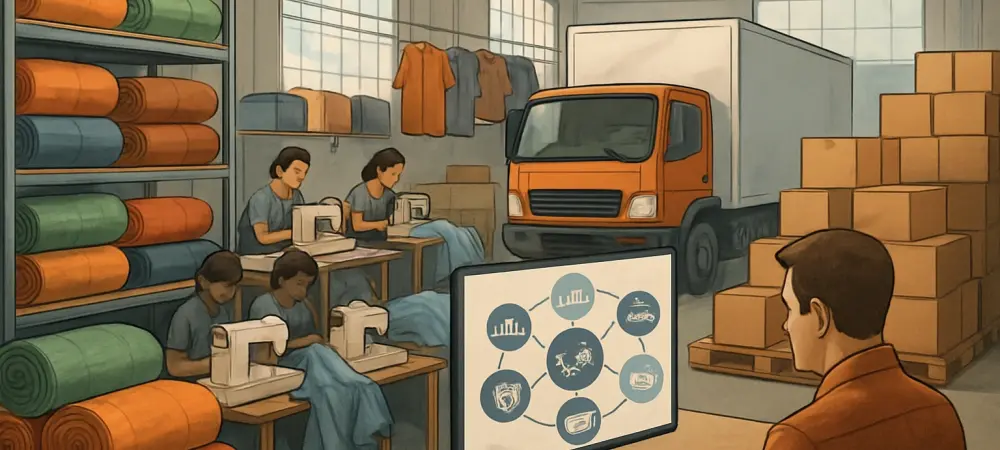
I’m thrilled to sit down with Dominic Jainy, an IT professional whose deep expertise in artificial intelligence, machine learning, and blockchain has revolutionized how industries tackle complex challenges. With a keen interest in applying cutting-edge technology to real-world problems, Dominic has become a thought leader in optimizing systems like Textile ERP for supply chain management. Today, we’ll dive into how these solutions address bottlenecks, enhance visibility, and transform operations in the textile industry. Our conversation will explore the critical role of integrated systems in overcoming inefficiencies, the power of real-time data, and the future of cloud-based innovations in this fast-paced sector.
How do supply chain bottlenecks uniquely impact textile companies, and what are the ripple effects on their operations?
Textile companies face a uniquely intricate supply chain, with multiple vendors, overseas suppliers, and tight timelines. Bottlenecks, like delayed inventory updates, can grind production to a halt, pushing back delivery schedules and frustrating customers. Poor forecasting often leads to overstocking or shortages, tying up capital or leaving production lines idle. On top of that, data silos between departments—say, manufacturing and sales—create miscommunication, leading to missed opportunities and inefficiencies. These issues don’t just slow things down; they hit profit margins hard and can even damage a company’s reputation with clients.
In what ways does a Textile ERP system stand out as a solution for these supply chain challenges?
A Textile ERP system acts like the central nervous system of a business. It ties together every function—design, procurement, production, and delivery—into a single, cohesive platform. Unlike fragmented tools like spreadsheets, it ensures data flows seamlessly across departments, eliminating guesswork. This integration means everyone’s on the same page, whether it’s tracking raw materials or aligning production with sales orders. The result is a level of control and visibility that traditional systems simply can’t match, allowing companies to respond to issues before they spiral out of control.
Can you elaborate on how real-time inventory tracking within an ERP system transforms manufacturing processes?
Real-time inventory tracking is a game-changer for textile manufacturers. It lets you monitor everything—raw materials, semi-finished goods, and final products—down to the last spool of yarn. This prevents production delays by flagging shortages before they happen. Automated reorder levels ensure you’re never caught off guard, while detailed insights into material usage help cut down on waste. Ultimately, it reduces carrying costs and keeps production humming along, saving both time and money.
How does a Textile ERP system streamline production planning in such a multi-stage industry?
Textile production involves so many stages—spinning, weaving, dyeing, and more—that without a unified system, it’s chaos. An ERP brings all of that into one dashboard for production planning and control. It aligns schedules with incoming sales orders, so you’re not overproducing or falling behind. It also tracks machine utilization and downtime, helping you optimize resources. Plus, it’s flexible enough to adapt to sudden order changes or supply hiccups, keeping disruptions to a minimum and ensuring smoother operations overall.
What advantages does an ERP system bring to managing suppliers and procurement in the textile sector?
Managing suppliers is a big pain point in textiles, especially with multiple vendors and tight deadlines. An ERP system centralizes supplier data, letting you track performance and delivery timelines effortlessly. It also allows you to compare costs and quality metrics side by side, so you’re making informed choices. Automating purchase orders based on real-time production needs ensures materials arrive exactly when needed, preventing delays and keeping costs in check. It’s all about building a more reliable and efficient procurement process.
Why is traceability such a big deal in textiles, and how does an ERP system support it?
Traceability is huge in textiles, especially with growing demands for sustainability and compliance. An ERP system offers lot traceability, tracking everything from raw cotton to the final garment. This helps meet strict regulatory standards and makes recalls or audits much easier to handle. Beyond that, it boosts brand reputation—customers and partners trust companies that can prove transparency in their supply chain. It’s not just about meeting requirements; it’s about building credibility in a competitive market.
How does integrating sales and distribution within an ERP system elevate the customer experience?
Linking sales and distribution directly to production through an ERP system is a massive win for customers. It speeds up order fulfillment by connecting orders to manufacturing and dispatch in real time. Shipping and invoicing get automated, cutting down on errors and delays. Plus, customers can access live updates on their order status, which builds trust and satisfaction. This end-to-end visibility doesn’t just streamline internal processes; it creates stronger, more reliable relationships with clients.
What’s your forecast for the role of cloud-based ERP systems in the future of textile supply chain management?
I see cloud-based ERP systems becoming the backbone of textile supply chains in the coming years. Their scalability lets businesses expand—whether it’s adding new factories or product lines—without missing a beat. Accessibility from anywhere means teams can manage operations even during global disruptions. With lower IT costs and real-time updates, they keep companies agile and compliant with evolving standards. As supply chain volatility continues, cloud ERP will be the key to staying resilient and competitive, turning challenges into opportunities for growth.