

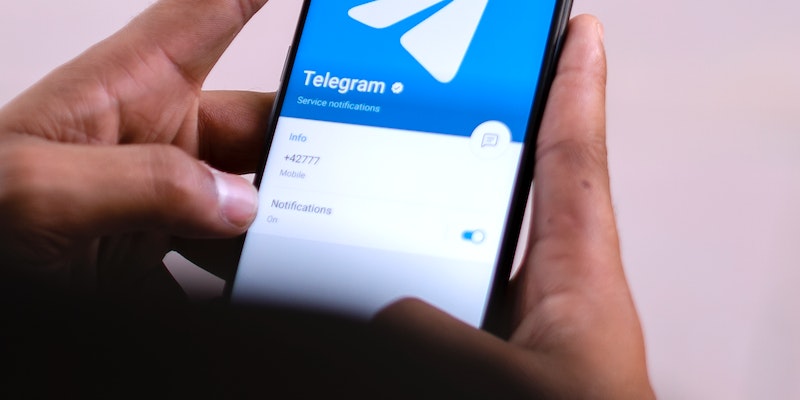
Popular messaging app Telegram has made a significant move in the world of cryptocurrencies as it recently announced the launch of its very own crypto wallet. This development was unveiled during the ongoing Token2049 event taking place in Singapore, marking a new chapter for Telegram and its users.
Presentation at Token2049 Event
During the Token2049 event, Telegram showcased its new crypto wallet to an eager audience. The announcement of the wallet’s integration with the TON blockchain network sparked excitement, leading to a surge in the price of Toncoin by nearly 7%. This positive reception demonstrated the enthusiasm surrounding the new development.
TON Wallet Integration and Benefits
The integration of the TON wallet into Telegram’s messaging platform brings numerous benefits. The TON Foundation has stated that projects built on the TON blockchain will receive priority access to Telegram Ads, the app’s advertising platform. This will provide a unique advantage to businesses and developers utilizing the TON blockchain, further enhancing the appeal of the integration.
Availability and Rollout
The crypto wallet feature is currently accessible in the settings for existing Telegram users. However, a global rollout is planned for November of this year, with the exception of certain countries, including the United States. This gradual expansion will allow Telegram to ensure a seamless user experience while adhering to regulatory requirements in different jurisdictions.
Background on Telegram’s Relationship with TON Foundation
Telegram’s partnership with the TON Foundation faced challenges in 2020 when it was forced to sever ties due to a lawsuit filed by the U.S. Securities and Exchange Commission (SEC) regarding its $1.7 billion initial coin offering (ICO) raise. The settlement between Telegram and the SEC involved an $18.5 million fine and a commitment to refund investors any remaining funds, reflecting a significant turning point for the messaging platform.
Settlement and Renewed Tie-Up
Despite the previous obstacles, Telegram and the TON Foundation have now renewed their partnership. This renewed collaboration paves the way for the TON Foundation to focus on building the Web3 infrastructure on Telegram. By joining forces once again, both entities aim to create a seamless integration between Telegram’s messaging app and the TON blockchain network.
Goals and Vision for TON on Telegram
The creators of the TON project have ambitious goals for their integration with Telegram. They aspire to resolve onboarding challenges and provide a gateway to cryptocurrencies for all Telegram users. By leveraging Telegram’s extensive user base, the TON Foundation aims to bring cryptocurrency adoption to the masses, making it more accessible and user-friendly.
Excitement and Value Increase
Telegram’s integration of TON as its blockchain network of choice for Web3 infrastructure has generated significant excitement among crypto enthusiasts and the broader Telegram community. This development has also had a positive impact on the value of Toncoin, with its price experiencing noticeable growth. Investors and users alike are eagerly anticipating the opportunities this integration will create within the Telegram ecosystem.
The unveiling of Telegram’s crypto wallet and its integration with the TON Foundation marks a significant milestone for both entities and the crypto community at large. With a renewed partnership, Telegram is set to become a crucial platform for Web3 infrastructure development, offering users a seamless gateway into the world of cryptocurrencies. As global rollout plans commence in November, with the exception of specific jurisdictions, users can look forward to a future where crypto adoption and accessibility flourish within the Telegram messaging app.