

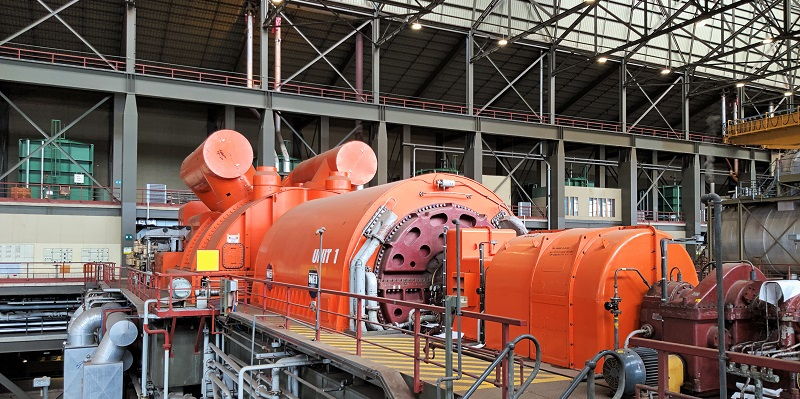
Tecpetrol, a major oil producer in Argentina, has recently announced an innovative plan to utilize associated gas for cryptocurrency mining. By leveraging the abundant associated gas generated in its oil fields near Vaca Muerta, the company aims to generate electricity and power miners’ rigs. This groundbreaking venture highlights the company’s commitment to embracing new technologies and optimizing its resources.
Utilizing Associated Gas for Crypto Mining
Tecpetrol intends to tap into the potential of associated gas by employing it in its oil fields near Vaca Muerta to generate electricity. Instead of flaring or venting the gas, as is commonly done, the company seeks to convert this valuable resource into on-site electrical energy. This forward-thinking approach allows Tecpetrol to not only minimize waste but also capitalize on an alternative energy source.
Partnership and Coin Mining Details
To ensure the success of its crypto mining operations, Tecpetrol has partnered with a company experienced in providing similar services to US-based firms. Although the specific coins to be mined have not been disclosed, this collaboration underscores the company’s readiness to adapt to the evolving cryptocurrency market and capitalize on its growth potential.
Timeline of Crypto Mining Operations
Tecpetrol aims to commence its crypto mining operations sometime between the end of October and the beginning of November. This clearly demonstrates the company’s proactive stance towards embracing emerging trends in the technology and energy sectors.
Gas Utilization and Current Sales Limit
In order to power the miners’ rigs, Tecpetrol will utilize gas from six wells in its oil fields. Traditionally, such associated gas is either flared or vented onsite unless it can be quickly transported to local production facilities. However, Tecpetrol plans to make the most of this gas by converting it into usable electricity for cryptocurrency mining purposes.
Currently, Tecpetrol sells a portion of its extracted gas to Chevron. However, due to an existing limit on sales, the company has reached the maximum capacity it can sell. This limitation has spurred Tecpetrol’s pursuit of alternative revenue sources, such as cryptocurrency mining, to maximize the value of its resources.
Similar Projects and Comparison
Inspired by the potential benefits, Russian oil firms have been actively working on pilot cryptocurrency mining projects since the early 2010s. Tecpetrol’s initiative aligns with these ongoing endeavors, underscoring the global interest in exploring new avenues for utilizing associated gas within the energy sector.
Current Gas Sales Limit and Future Plans
To further its crypto mining operations, Tecpetrol plans to deploy three generating facilities at the site, all equipped with crypto mining rigs. This strategic decision enables the company to capitalize on its existing infrastructure and position itself as a leader in the field of crypto mining using associated gas.
Tecpetrol’s groundbreaking initiative to mine cryptocurrency using associated gas exemplifies the company’s commitment to harnessing innovative solutions and embracing emerging technologies. By leveraging this alternative energy source, Tecpetrol not only minimizes waste but also diversifies its revenue streams. With its planned partnership, strategic timeline, and investment in generating facilities, the company is poised to make a significant impact in the world of crypto mining while solidifying its position as a forward-thinking leader in the energy sector.