
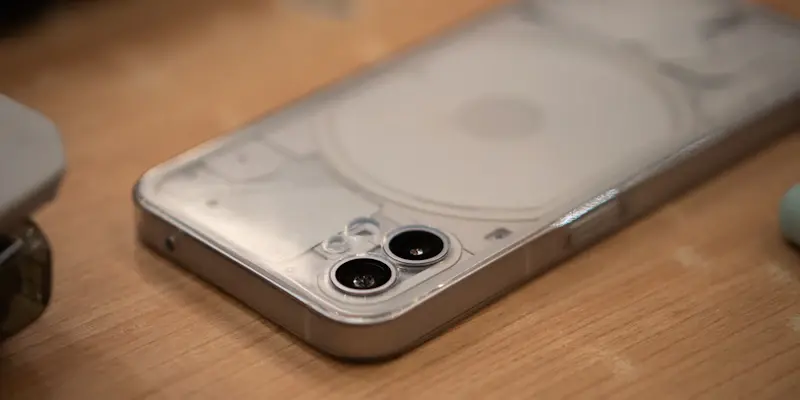
Tecno Teases Pova 7 with Futuristic Design to Rival Nothing Phone 3

In a move destined to stir excitement among tech enthusiasts, Tecno has recently teased its upcoming Pova-series smartphone, with a design that appears ready to give the anticipated Nothing Phone 3 and 3 Pro a run for their money. This latest addition, tentatively called the Pova 7, is set to break away from traditional smartphone aesthetics, featuring a standout futuristic design that is sure to turn heads. One of the most striking elements of the new Pova 7 is its unique LED accents, which form a broken triangle pattern that elegantly wraps around the camera hump. This bold design decision marks a significant shift from its predecessor, the Pova 6 Neo, and sets it apart from other competing devices.

Anticipated Features and Specifications

Despite no official specifications yet, there’s already buzz about the Pova 7’s features. Expected to include at least two rear cameras, the device aligns with current smartphone photography trends. A flat-edged frame, which has gained popularity in modern smartphones, is also anticipated. The possibility of a flat screen adds to its sleek and modern design. Looking back at the Pova 6 Neo, known for its 70W Ultra Charging, 120Hz AMOLED display, Dimensity 6080 SoC, and a powerful 6,000mAh battery, expectations for the Pova 7 are understandably high.

As Tecno gears up to launch the Pova 7 in India, it is set to grab attention with its innovative design and competitive features. The teaser suggests a modern, high-tech device poised to challenge upcoming smartphones, including those from Nothing. This release highlights the dynamic, competitive nature of smartphone innovation, driven by unique designs and advanced technology. The industry’s ongoing evolution makes it exciting to see how Tecno’s latest offering will influence market trends and consumer preferences.

Explore more

Ethereum Price Stagnates Despite Heavy Institutional Inflows

Ethereum currently trades below its critical 20-day and 50-day moving averages, effectively turning these previous support levels into formidable overhead resistance that limits upward momentum. This technical suppression occurs at a time when the broader financial landscape is pouring billions of dollars into digital asset products, creating a puzzling divergence for market analysts. Institutional vehicles like the BlackRock iShares Ethereum

KDE Plasma 6 Transforms the x86 Linux Tablet Experience

Transitioning from the aging X11 system to the Wayland display protocol provides the responsiveness and sophisticated gesture support essential for modern high-performance touch interfaces on x86 hardware. For years, the dream of a fully functional Linux tablet on the x86 architecture remained a niche pursuit, hampered by driver issues and a lack of touch-optimized interface components. While mobile architectures like

OpenAI Introduces Computer History for ChatGPT on Mac

Providing ChatGPT with the ability to see what was previously opened on a Mac helps the assistant generate more relevant summaries of a person’s completed tasks. This innovation represents a fundamental shift in how digital assistants interact with local environments, moving away from a world where the user must manually feed every scrap of context into a chat window. By

Can AI-Driven Qualification Solve the B2B Sales Crisis?

Professional services firms are increasingly turning to four-layer AI verification frameworks to ensure that prospects align with specific core competencies and regulatory constraints. This strategic shift follows a period where B2B sales teams hit a metaphorical wall, realizing that mass outreach no longer yields the high-conversion results it once did in the early part of the decade. Today, the sheer

Has Windows 11 Finally Reached Its Full Potential?

Professional users who felt hampered by the loss of taskbar uncombining and drag-and-drop functionality in 2021 have finally seen these essential tools restored in the current 2026 build. The journey of this operating system began as a visual overhaul that prioritized aesthetics over established workflows, leading to significant friction between Microsoft and its core user base. Early adopters frequently complained