
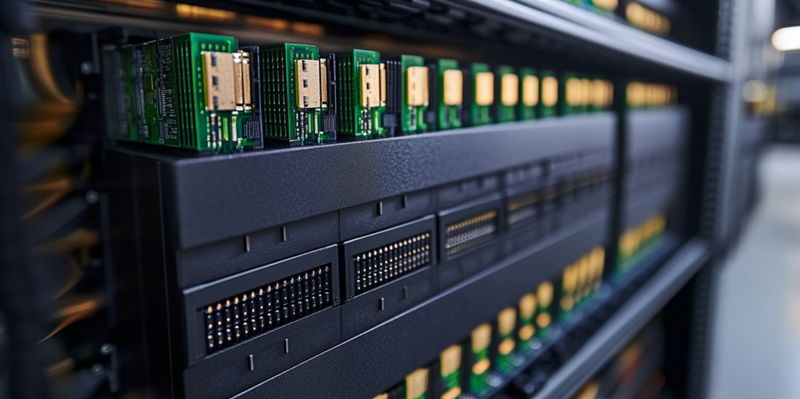
TeamGroup Launches T-Force GA PRO with Blazing 10,000MB/s Read Speed

TeamGroup’s latest innovation, the T-Force GA PRO M.2 SSD, introduces a new standard for high-performance storage solutions with its adoption of the PCIe Gen5 x4 interface and support for the NVMe 2.0 protocol. Capable of reaching astonishing read speeds up to 10,000MB/s, the GA PRO redefines speed by offering the ability to transfer nearly ten gigabytes of data every second. This exceptional performance means that users can copy large files, such as 4K Blu-ray movies, in mere seconds and significantly cut down game copy times to under a minute, an impressive leap forward for data-intensive tasks.

The T-Force GA PRO’s advanced capabilities are driven by the InnoGrit IG5666 chip, which intelligently adjusts power consumption based on the workload and temperature, ensuring peak efficiency. This SSD also prioritizes data security with its isolation mechanism that effectively guards against malicious attacks. To further enhance reliability and performance, the GA PRO incorporates 4K LDPC error correction technology and a graphene heatsink, both of which contribute to better heat dissipation and prolonged device longevity.

Additionally, the SSD is equipped with S.M.A.R.T. software to help users monitor its health and performance closely. TeamGroup emphasizes the importance of keeping the firmware updated to maintain optimal operational efficiency and security. The T-Force GA PRO exemplifies significant technological advancements in speed, efficiency, and data protection, setting a new benchmark within the SSD market.

Explore more

How Is the New Wormable XMRig Malware Evolving?

The rapid transformation of cryptojacking from a minor background annoyance into a sophisticated, kernel-level security threat has forced global cybersecurity professionals to fundamentally rethink their entire defensive posture as the landscape continues to shift through 2026. While earlier versions of Monero-mining software were often content to quietly steal idle CPU cycles, the emergence of a new, wormable XMRig variant signals

How Is AI Accelerating the Speed of Modern Cyberattacks?

Dominic Jainy brings a wealth of knowledge in artificial intelligence and blockchain to the table, offering a unique perspective on the modern threat landscape. As cybercriminals harness machine learning to automate exploitation, the gap between a vulnerability being discovered and a breach occurring is shrinking at an alarming rate. We sit down with him to discuss the shift toward identity-based

How Will Data Center Leaders Redefine Success by 2026?

The rapid transition from traditional cloud storage to high-density artificial intelligence environments has fundamentally altered the metrics by which global data center performance is measured today. Rather than focusing solely on the speed of facility expansion, industry leaders are now prioritizing a model of intentional, long-term strategic design that balances computational power with environmental and social equilibrium. This evolution marks

How Does Diesel Vortex Threaten Global Logistics Security?

The Emergence of Targeted Cyber Threats in the Supply Chain The global logistics industry has evolved into a hyper-connected network where the physical movement of cargo is now entirely inseparable from the complex digital systems that manage international freight flow. This digital backbone ensures the movement of goods across borders, but it has also attracted specialized cybercrime organizations like Diesel

How Is AI Weaponization Redefining Global Cyber Threats?

The rapid integration of large language models into the standard toolkit of international hacking collectives has fundamentally altered the velocity at which digital infrastructure is compromised today. Throughout the recent calendar year, global security observers documented a staggering 89% increase in intrusions facilitated by artificial intelligence, marking a definitive end to the era of slow, methodical human-led attacks. Adversaries no