

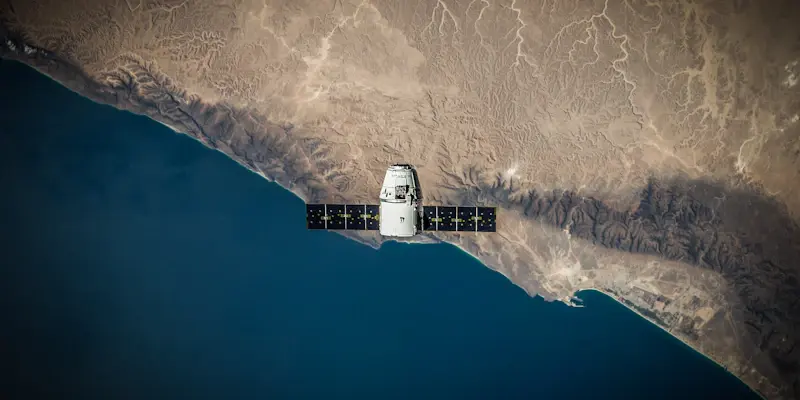
In a groundbreaking move set to transform space research in India, Hyderabad-based startup TakeMe2Space is preparing to launch the nation’s first Artificial Intelligence (AI) laboratory named MOI-TD into orbit. The innovative project seeks to harness the power of AI to streamline data transmission and real-time analysis, thus cutting costs and boosting efficiency. This ambitious endeavor not only enhances the quality and speed of data processing but also aims to democratize space research, making it more accessible to students, researchers, and smaller organizations that traditionally find space exploration financially restrictive.
Advancing Space Research through AI
Real-Time Data Processing and Decision Making
One of the pioneering features of TakeMe2Space’s MOI-TD AI lab is its capability to facilitate real-time data processing and immediate decision-making. By processing data right after collection, the AI lab can support critical tasks such as satellite maintenance, environmental monitoring, and weather pattern analysis with unprecedented speed and accuracy. The ability to swiftly analyze data could be a game-changer in tracking changes on Earth’s surface, contributing valuable insights into climate change dynamics and helping to predict natural disasters more effectively.
As the AI lab continuously processes incoming data, it enables real-time monitoring and adjustments, ensuring optimal performance of satellites and other space equipment.
Economic and Industrial Impact
TakeMe2Space’s MOI-TD doesn’t just promise advancements in space research, it also shows the powerful potential of startups to drive innovation within the space industry. With the MOI-TD mission’s anticipated success, there is bound to be a surge in investment opportunities within the space technology sector. Such progress could open the doors to new economic ventures and create numerous job opportunities, fueling further development and growth within the industry. The prospect of increased investments could push the boundaries of what’s possible in space exploration and lead to the creation of advanced space technologies.
Additionally, the initiative brings attention to the symbiotic relationship between startups and established space agencies. The success of TakeMe2Space’s AI lab could serve as a catalyst for future collaborations, inspiring more startups to enter the space sector and contribute their technological prowess.
Educating and Inspiring Future Generations
Hands-On Learning and Remote Experimentation
Another remarkable aspect of TakeMe2Space’s initiative is its focus on education and the inspiration of the next generation of scientists and engineers. By integrating AI-driven satellite laboratories into educational programs, TakeMe2Space provides students with opportunities to conduct remote experiments, engage in experiential learning, and gain hands-on experience with AI programming and its applications. This unique approach to education not only enhances students’ technical skills but also ignites their passion for space research and innovation.
Through remote experimentation, students have the chance to work on real-world problems, applying their knowledge to develop solutions for issues such as environmental conservation, disaster management, and sustainable development. This practical experience is invaluable in preparing the next generation of professionals who will continue to push the boundaries of AI and space exploration.
Promoting Inclusivity and Accessibility
TakeMe2Space’s project also underscores the importance of inclusivity and accessibility in space research. By providing access to AI-driven satellite laboratories, the initiative ensures that students, researchers, and smaller organizations, regardless of their financial constraints, can participate in and contribute to space exploration. This democratization of space research fosters a more inclusive environment where diverse perspectives and ideas can flourish, leading to more holistic and innovative solutions.
Pioneering Technological Excellence
Driving Significant Advancements
With the launch of the MOI-TD, India is not only advancing its space program but also showcasing its ability to tackle some of the world’s most pressing challenges through innovative technology. The project exemplifies how small ventures like TakeMe2Space can make significant impacts, promoting a culture of innovation and excellence. As India continues to make strides in space research and AI, the successful deployment of the MOI-TD could serve as a model for other countries looking to leverage technology to address global issues.
Commitment to Technological Inclusivity
In a groundbreaking initiative set to revolutionize space research in India, the Hyderabad-based startup TakeMe2Space is gearing up to launch an Artificial Intelligence (AI) laboratory named MOI-TD into orbit. This pioneering effort aims to utilize AI to optimize data transmission and enable real-time analysis, significantly reducing costs while enhancing efficiency. The ambitious project not only improves the quality and speed of data processing but also seeks to democratize space research. By making advanced space technologies more accessible to students, researchers, and smaller organizations, TakeMe2Space aims to break down the financial barriers that have traditionally restricted space exploration to larger, well-funded entities. This initiative is poised to make significant contributions to the global space research community, fostering innovation and collaboration.