

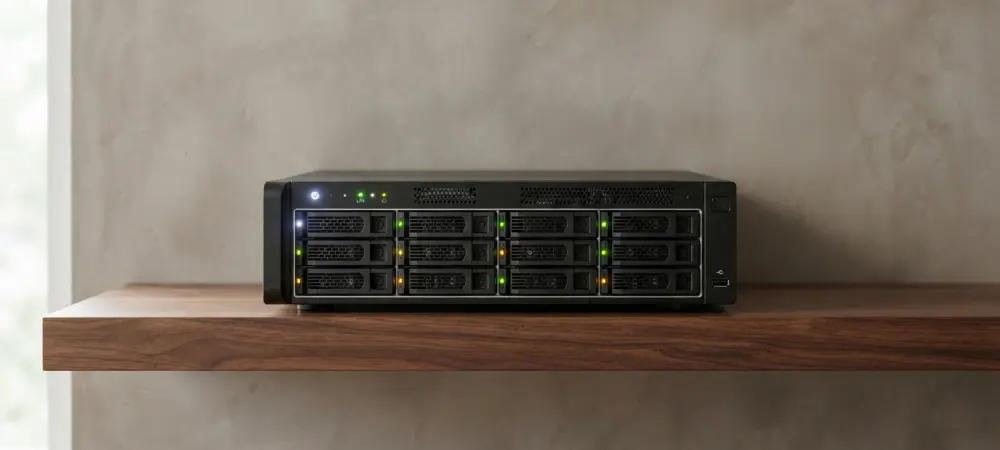
The realization that a single unauthenticated request could completely compromise the private digital archives of millions of users worldwide highlights a terrifying shift in modern cybersecurity risks. As network-attached storage (NAS) units transition from simple backup tools to complex multimedia and cloud servers, the attack surface for DiskStation Manager (DSM) software has expanded significantly. Recent investigations revealed that vulnerabilities in the core authentication framework allowed attackers to bypass security layers entirely.
Addressing Remote Exploitation Risks in DSM Software
Credentialless attacks represent the most severe category of digital threats because they require zero prior knowledge of the target’s environment. In the context of NAS devices, these flaws allow unauthorized actors to interact directly with sensitive data pools without needing a username or password. This vulnerability profile is particularly dangerous for units exposed to the open internet, where automated scripts constantly scan for open ports and known software weaknesses.
The specific vulnerabilities identified within the DSM software targeted the way the operating system handles remote requests. By manipulating specific entry points, attackers could gain the same permissions as a legitimate administrator, leading to unauthorized file access or the modification of system configurations. Protecting user data from these risks necessitated a fundamental shift in how the software validates incoming traffic before any session is officially established.
The Growing Importance of NAS Security
Synology has long maintained a dominant position in the storage market, serving both home enthusiasts and large-scale enterprises. However, this popularity makes its hardware a primary target for cybercriminals seeking to deploy ransomware or steal proprietary information. As more organizations move toward decentralized data management in 2026, the security of the local network hub has become the cornerstone of the modern IT infrastructure.
The rise of remote-access threats has transformed NAS units into critical gatekeepers for digital identity and corporate continuity. Securing these devices is no longer an optional task for tech-savvy users but a vital necessity for anyone storing financial records, medical data, or intellectual property. The complexity of these systems means that a single oversight in the code can have cascading effects across a global network of interconnected devices.
Research Methodology, Findings, and Implications
Analyzing Security Audits and Discovery Methods
The identification of these critical flaws was the result of rigorous security audits conducted by teams at Viettel Cyber Security and Aytio. Researchers utilized advanced fuzzing techniques and static code analysis to probe the DSM Auth API for potential weaknesses. These tools were designed to find edge cases where the software might misinterpret malformed data packets, ultimately revealing a path for command injection.
Following the discovery, a carefully coordinated disclosure process was initiated to ensure that patches were developed before the public became aware of the risks. The timeline between the initial identification and the public advisory allowed Synology to distribute firmware updates to its global user base throughout October. This proactive approach minimized the window of opportunity for malicious actors to exploit the bugs on unpatched systems.
Critical Bugs in Authentication and Rsync Tools
The most alarming finding was a SQL injection flaw in the DSM Auth API, which received a near-perfect CVSS score of 9.8. This bug allowed attackers to execute arbitrary database queries, which could be used to extract sensitive information or create new administrative accounts. Because the flaw existed in the authentication process itself, it could be triggered by any remote user with network access to the device’s login page.
Furthermore, a secondary vulnerability was found within the rsync tool, which is commonly used for data synchronization and backups. This flaw permitted an authentication bypass, allowing actors to manipulate files or trigger denial-of-service (DoS) attacks that would render the NAS inaccessible. While rated slightly lower at 8.6, the ability to disrupt business-critical backup schedules posed a significant operational risk to corporate environments.
Impact on Global Storage and IT Security
The potential impact of these flaws extended to millions of devices currently active across residential and commercial sectors. Corporate data centers and personal home offices alike faced the threat of total data loss or unauthorized surveillance if the updates were not applied. This incident underscored the fragility of the global storage ecosystem, where a single software patch can stand between a functioning business and a total digital shutdown.
Assessing the scale of the threat revealed that many users still rely on legacy firmware versions that do not receive automatic updates. The October firmware release targeted several iterations of DSM, including versions 7.4 and 7.2.1, to cover the widest possible range of hardware generations. Despite the availability of these fixes, the sheer volume of vulnerable devices worldwide suggests that complete remediation will take months as administrators manually verify their system status.
Reflection and Future Directions
Considering Patch Cycles and Development Standards
The tech community reacted with a mixture of relief and concern regarding the prevalence of SQL injection bugs in 2026. Critics argued that such well-known classes of vulnerabilities should have been caught during the initial development phases of the API. This scrutiny has led to renewed discussions about the software engineering standards employed by major hardware vendors and the need for more transparent security development lifecycles.
Maintaining code quality for complex APIs remains a persistent challenge as software matures and new features are added. Developers must balance the demand for high-performance data access with the rigid requirements of secure coding practices. The recurring nature of these authentication flaws suggests that deeper structural changes may be needed in how NAS operating systems handle external communications to prevent similar issues in the future.
Future Strategies for Hardening NAS Ecosystems
One primary strategy for improving security involves the wider adoption of automated update protocols that do not require user intervention. While some enthusiasts prefer manual control, the risk of missing a critical security advisory often outweighs the benefits of a customized update schedule. Establishing a default “secure-by-design” posture will be essential for protecting the millions of non-technical users who rely on these devices for daily tasks.
Beyond software updates, future hardening efforts should focus on deeper audits of network file protocols and hardware compatibility. There are still many questions regarding how third-party applications interact with the core DSM system and whether those integrations introduce additional risks. Expanding the scope of security research to include every layer of the NAS stack will be necessary to stay ahead of increasingly sophisticated cyber threats.
Ensuring Long-Term Stability for Synology Users
The critical nature of the recent fixes demonstrated the ongoing battle between storage manufacturers and remote attackers. Synology recognized the severity of the SQL injection and rsync flaws by fast-tracking updates to the most vulnerable versions of the DSM operating system. These actions provided a necessary shield for the global user base, ensuring that unauthorized file access remained a theoretical risk rather than a practical reality. Administrative teams across the globe prioritized manual firmware updates to mitigate the immediate danger of credentialless exploitation. This event reinforced the standard that proactive security management was the only way to maintain the integrity of network-attached storage. By addressing these fundamental flaws, the industry moved toward a more resilient model of data protection that emphasized early detection and rapid response.