

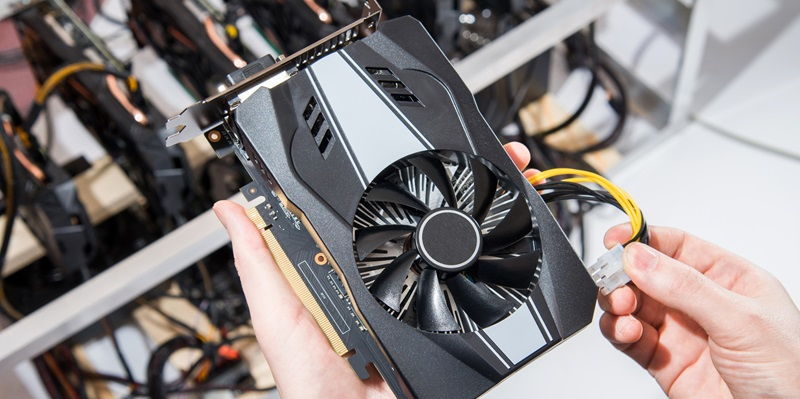
Sycom, the Japanese manufacturer, has introduced an impressive addition to their lineup – the GeForce RTX 4070 Ti Silent Master model. This new graphics processing unit (GPU) boasts a quad-slot design and, once again, incorporates Noctua fans, a feature for which Sycom has become well-known.
Sycom’s Integration of Noctua Fans in GPUs
Building upon their previous successes, Sycom has managed to seamlessly integrate Noctua fans into their GPUs. The company has already released the NVIDIA GeForce RTX 4070 and RTX 4060 Ti GPUs, which also feature Noctua-powered cooling. Sycom’s consistent utilization of Noctua fans reinforces their commitment to providing superior cooling options for their products.
Minimalistic Design and Consistent Color Scheme of Ada Lovelace GPUs
One standout feature of Sycom’s GPUs is their minimalist design and consistent color scheme, which they have aptly named the “Noctua-inspired” Ada Lovelace GPUs. This design choice has received positive feedback from consumers, as it appeals to those looking for a sleek and understated aesthetic. The absence of flashy RGB lighting contributes to the overall appeal of these GPUs.
Enhanced Aesthetics with Noctua Fans
The addition of Noctua fans significantly enhances the aesthetics of Sycom’s GPUs. The touch of beige and brown, iconic to Noctua’s branding, creates a visually pleasing contrast with the sleek black finish of the graphics card. This attention to detail sets Sycom’s GPUs apart from others in the market, further solidifying their commitment to both form and function.
Following in ASUS’s footsteps
Although Sycom is not the first to incorporate Noctua fans into their GPUs, they deserve credit for embracing this trend. It was ASUS who sparked this tradition, and Sycom has taken it a step further by successfully reducing the slot size of their Noctua-equipped GPUs. This makes them an attractive option for those who prioritize compact designs without sacrificing thermal performance.
Technical Specifications of the Sycom GeForce RTX 4070 Ti
Under the hood, the Sycom GeForce RTX 4070 Ti features Noctua’s highly acclaimed NF-A12x25 PWM fans. These fans, known for their exceptional performance in other models from Noctua, ensure efficient cooling and noise reduction.
Metallic Housing Frame by Nagao Industry
To support the integrated components and enhance the durability of the GPU, Sycom has incorporated a metallic housing frame in the GeForce RTX 4070 Ti. This frame, meticulously handmade and developed by Nagao Industry, adds an additional layer of sophistication and strength to the graphics card.
Providing ‘Noise Audio Samples’
When it comes to operating quietly, the Sycom GeForce RTX 4070 Ti doesn’t disappoint. In a unique move, Sycom is offering potential consumers ‘noise audio samples’ to showcase the GPU’s capability for quiet operation. This transparency helps customers make an informed decision, ensuring that their GPU aligns with their noise preferences.
Availability Limited to Pre-Built Systems
Unfortunately, one drawback of Sycom’s GPU models is their unavailability as standalone products. Instead, they are exclusively integrated into pre-built systems. This limitation may disappoint some consumers who prefer to customize their hardware independently.
Sycom’s launch of the GeForce RTX 4070 Ti Silent Master model with Noctua fans showcases their commitment to providing high-quality and visually appealing GPUs. Their integration of Noctua fans, coupled with a minimalist design, creates a truly unique product. While limited availability may deter some consumers, those seeking a superior GPU with efficient cooling and an elegant aesthetic will find Sycom’s offerings highly desirable.