

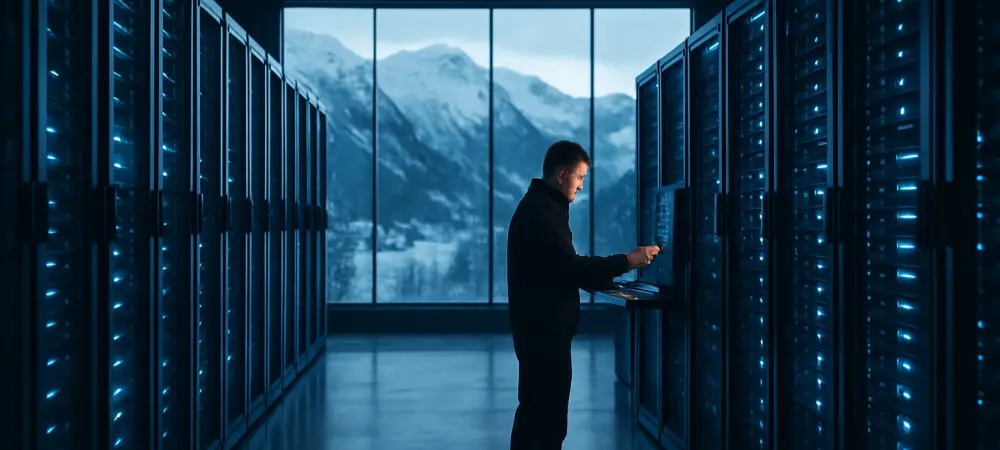
Imagine a world where the digital backbone of society—powering everything from AI algorithms to blockchain transactions—grows at an unprecedented pace, yet leaves a heavier carbon footprint than entire industries combined. This is the reality facing data centers today, as surging demand driven by cloud computing, artificial intelligence, and decentralized technologies clashes with the urgent need for sustainability. The tension between technological advancement and environmental responsibility has never been more palpable, making sustainable data center expansion not just a trend, but a critical imperative. This analysis dives into how the industry is responding, spotlighting innovative players, expert insights, and the future trajectory of this vital shift.
The Rise of Sustainable Data Centers: A Growing Necessity
Industry Growth and Sustainability Trends
The data center sector is witnessing explosive growth, fueled by the insatiable appetite for hyperscale computing, AI workloads, and blockchain operations. Reports from leading analysts like Gartner indicate that global data center capacity is expanding rapidly, with hyperscale facilities projected to double over the next few years. This boom, while a testament to technological progress, comes with a daunting challenge: energy consumption. Data centers are notorious for their power hunger, often relying on fossil fuel-heavy grids that exacerbate climate concerns.
However, a promising shift is underway. More companies are embracing renewable energy sources—think hydroelectric, solar, and wind—to power their operations. Cool-climate site selection is also gaining traction, reducing the need for energy-intensive cooling systems. Studies from industry think tanks show that nearly half of new data center projects now prioritize sustainability metrics, a significant jump from just a few years ago. This pivot reflects a broader recognition that growth must not come at the planet’s expense.
Real-World Implementation: Bitzero’s Global Footprint
Amid this transformation, Bitzero, a Vancouver-based data center and cryptomining company, stands out with its ambitious global expansion. Its flagship project in Kokemäki, Finland, spans nearly 100 hectares, with a potential capacity of 1 gigawatt at full build-out. Powered by a mix of hydroelectric, nuclear, solar, and wind energy, this campus exemplifies how sustainability can align with high-performance computing demands.
Beyond Finland, Bitzero’s reach extends to Norway and the United States. In Norway, the Namsskogan site operates at 40 megawatts with plans to scale to 325 megawatts, while a smaller Røyrvik facility runs at 5 megawatts. Across the Atlantic, a decommissioned missile base in North Dakota, dubbed “The Pyramid,” has been converted into a 2.5-megawatt data center, with capacity expandable to 300 megawatts. These locations, chosen for their cool climates and access to clean energy, underscore a strategic focus on reducing environmental impact.
What sets Bitzero apart is its commitment to ESG principles and an asset-first approach. By owning infrastructure rather than leasing, the company ensures greater control over scalability and sustainability. This model not only supports hyperscale workloads for AI and blockchain but also positions Bitzero as a leader in balancing growth with green priorities.
Expert Perspectives on Sustainable Data Center Strategies
Insights from industry leaders shed light on why this trend matters. Mohammed Bakhashwain, President and CEO of Bitzero, emphasizes that hyperscale computing is the future, but only if paired with sustainable infrastructure. His vision highlights the necessity of building facilities that can handle modern demands without straining resources.
Adding to this, investor Kevin O’Leary, a prominent backer of Bitzero, points to the competitive edge of asset ownership. Unlike rivals tethered to leased spaces or overtaxed power grids, Bitzero’s agility allows it to adapt swiftly to market needs. O’Leary’s perspective underlines a key industry divide: those who invest in long-term solutions versus those chasing short-term gains.
Broader commentary from analysts reinforces these views. Many note that balancing energy-intensive operations with environmental responsibility remains a formidable hurdle. Yet, they agree that companies embracing renewable energy and innovative designs are setting a standard that could reshape the sector’s reputation and impact.
Future Outlook: Sustainability and Scalability in Data Centers
Looking ahead, the trajectory of sustainable data center expansion appears bright yet challenging. As AI and blockchain demands soar, expect even greater adoption of renewable energy and cutting-edge cooling technologies. These advancements promise reduced carbon footprints and long-term cost savings, painting an optimistic picture for tech-driven industries.
Nevertheless, hurdles persist. High upfront costs for green infrastructure can deter smaller players, while regulatory frameworks vary widely across regions, complicating global strategies. Despite these obstacles, the potential benefits—supporting innovation while addressing climate concerns—make this trend a linchpin for the digital economy.
On a wider scale, sustainable data centers could redefine how industries approach technology. From powering smart cities to enabling secure financial systems, their influence stretches far. Yet, risks loom if scalability falters or sustainability remains a buzzword rather than a practice. The stakes are high, and the coming years will test the industry’s resolve.
Conclusion: Embracing a Greener Digital Future
Reflecting on this journey, the rapid ascent of data centers, paired with Bitzero’s pioneering efforts in sustainable expansion, painted a vivid picture of an industry at a crossroads. Expert validations from leaders like Bakhashwain and O’Leary underscored the urgency of innovative strategies, while future possibilities hinted at transformative change. The importance of sustainability in this space stood as a non-negotiable pillar, balancing progress with planetary health. Moving forward, stakeholders must commit to actionable steps—investing in scalable green infrastructure and advocating for supportive policies—to ensure that the digital future remained resilient and responsible.