

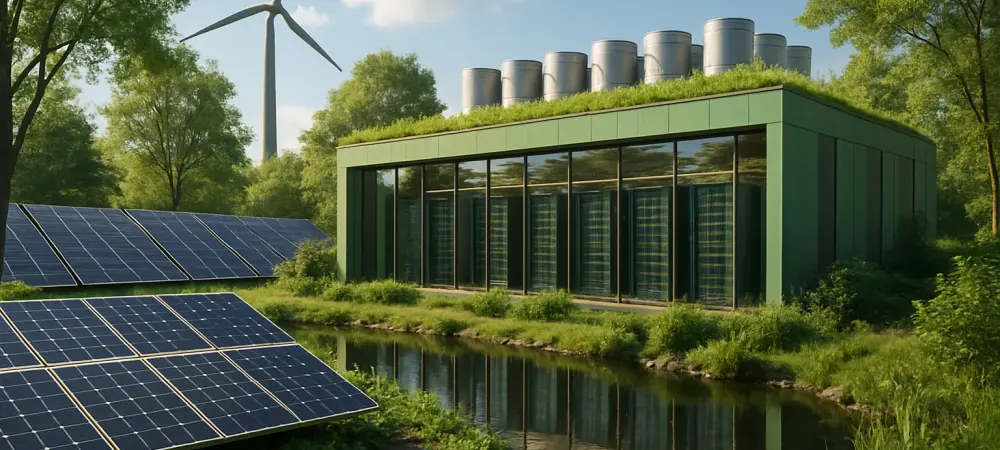
In an era where the global demand for artificial intelligence (AI) and cloud computing is skyrocketing, the environmental cost of powering these technologies has become a pressing concern, with data centers consuming vast amounts of energy often sourced from fossil fuels that contribute to carbon emissions. Amid this challenge, a Los Angeles-based startup has emerged with a bold vision to redefine the industry by harnessing renewable energy for high-demand operations in Latin America. This review dives into the ambitious plans of a company set to build a transformative AI and cloud services data center in Paraguay, exploring how its focus on sustainability could reshape the regional tech landscape.
Sustainable Innovation at the Core
The company under review is pioneering a massive infrastructure project near Asunción, Paraguay, aiming to establish what could be the largest AI data center complex in Latin America. What sets this initiative apart is its unwavering commitment to sustainability, leveraging the abundant hydroelectric power from the Itaipú Dam, shared with Brazil. This strategic choice not only addresses the environmental impact of energy-intensive operations but also positions the startup as a leader in eco-friendly tech solutions.
Beyond its green energy focus, the infrastructure promises to deliver cutting-edge AI computing capabilities at a fraction of the cost of traditional providers. By operating exclusively on hydroelectric power, the company claims it can achieve cost reductions of up to 70 percent compared to competitors. This affordability could be a significant draw for businesses across the region, particularly those seeking scalable solutions for data-intensive tasks like AI model training and inference.
Strategic Alliances and Regional Impact
Harnessing Hydroelectric Power for Efficiency
A cornerstone of this project is its exclusive reliance on renewable energy sourced from the Itaipú Dam, one of the world’s largest hydroelectric facilities. This approach ensures that the data center’s operations produce minimal carbon emissions, aligning with global trends toward sustainable technology. The use of such a reliable and clean energy source also enhances operational stability, reducing the risk of power disruptions that often plague data centers dependent on less consistent grids.
The environmental benefits are matched by economic advantages, as the low cost of hydroelectric power in Paraguay enables the company to pass on savings to its clients. This cost-effectiveness could democratize access to high-performance computing, empowering smaller enterprises and startups in Latin America to compete on a larger stage. Such a model highlights how sustainability and profitability can coexist in the tech sector.
Partnership with Paraguay’s Energy Authority
Central to the project’s success is a landmark agreement with Paraguay’s National Electricity Administration (Ande), which guarantees a steady supply of hydroelectric power and underscores a shared commitment to sustainable development. This collaboration not only ensures operational reliability but also garners governmental backing, which is crucial for navigating regulatory landscapes and securing long-term stability in the region.
This partnership reflects a broader vision of positioning Paraguay as a hub for data processing, leveraging its natural resources for technological advancement. The mutual focus on eco-conscious growth could set a precedent for other countries in Latin America, encouraging similar alliances between tech firms and local authorities to foster innovation while prioritizing environmental responsibility.
Ambitious Growth and Scalability Plans
The timeline for this infrastructure rollout is notably aggressive, with commercial operations slated to begin in early 2026 at an initial capacity of 50 megawatts (MW). Within just a year, the company plans to scale up to 500 MW by 2027, demonstrating a rapid expansion strategy that aims to meet the soaring demand for cloud and AI services. Such scalability is critical in a market where computational needs are growing exponentially.
Looking further ahead, the vision extends beyond Paraguay, targeting a regional capacity of 5 gigawatts (GW) through expansions into Brazil and Argentina. The founder and CEO has articulated a goal to redefine data center operations by blending sustainability with accessibility, particularly for Brazilian companies seeking AI infrastructure under U.S. jurisdiction while complying with local data protection laws. This cross-border ambition signals a transformative approach to regional tech integration.
The scalability goals are underpinned by a focus on transparent governance and cost efficiency, which could attract a diverse clientele ranging from multinational corporations to local innovators. If executed as planned, this expansion could establish the company as a dominant player in Latin America’s tech ecosystem, bridging geographical and economic divides through advanced infrastructure.
Potential Applications and Market Influence
The real-world impact of this infrastructure on Latin American businesses is poised to be substantial, especially for industries reliant on AI and data processing. By offering affordable access to high-performance computing, the data center could accelerate digital transformation for companies in sectors like finance, healthcare, and e-commerce, enabling them to leverage AI for predictive analytics, customer insights, and operational efficiency.
Specific applications include AI training for complex models and language model inference, both of which require significant computational resources. The ability to provide these services at reduced costs while adhering to stringent data protection regulations makes this initiative particularly appealing to Brazilian firms navigating compliance challenges. This balance of affordability and legal alignment could carve out a unique niche in the market.
Furthermore, the project’s location in Paraguay enhances its strategic value, offering proximity to major markets like Brazil and Argentina while benefiting from the country’s favorable energy policies. As the region increasingly embraces digital innovation, this infrastructure could serve as a catalyst for economic growth, fostering a tech-driven ecosystem that prioritizes both performance and sustainability.
Navigating Challenges in a Competitive Landscape
Despite the promise, several hurdles loom on the horizon, starting with the limited public information available about the company due to its recent emergence from stealth mode. This opacity raises questions about the feasibility of its ambitious timeline and the depth of its technical expertise, factors that will be critical to monitor as the project progresses. Transparency will be key to building trust among potential clients and investors.
Market and regulatory challenges also pose risks, particularly as the company eyes expansion across Latin America. Navigating diverse legal frameworks and data sovereignty laws in countries like Brazil and Argentina will require meticulous planning and local partnerships. Additionally, the competitive landscape is heating up, with other firms like Hive Digital Technologies also investing in Paraguay’s renewable energy advantages for data center operations.
The complexity of scaling infrastructure in a region with varying levels of technological readiness cannot be understated. Infrastructure delays, political instability, or unforeseen energy supply issues could disrupt the projected growth trajectory. These uncertainties highlight the need for robust contingency plans and adaptive strategies to ensure the project’s long-term viability.
Shaping the Future of Sustainable Tech
Looking toward the future, this initiative stands to play a pivotal role in shaping the trajectory of sustainable AI and cloud services in Latin America. Its reliance on renewable hydroelectric power sets a benchmark for balancing high-demand tech operations with environmental stewardship, a model that could inspire similar projects globally. The focus on scalability further positions it as a potential leader in addressing the region’s growing computational needs.
The broader implications for the global tech industry are significant, as the push for green data centers gains momentum amid rising energy costs and climate concerns. If successful, this project could demonstrate that sustainability is not just an ethical imperative but also a competitive advantage, encouraging other companies to rethink their energy strategies in favor of renewable sources.
Final Thoughts and Next Steps
Reflecting on the comprehensive review, it is evident that the ambitious plans for a sustainable AI and cloud infrastructure in Paraguay capture attention with their innovative approach to energy use and cost efficiency. The strategic partnerships and aggressive scalability targets underscore a vision that goes beyond mere technology deployment, aiming to transform the regional landscape. Moving forward, stakeholders should focus on closely monitoring the project’s progress, particularly its ability to meet the 2026 launch timeline and subsequent expansion goals. Potential clients and investors would benefit from engaging early to understand the specific offerings and compliance frameworks, ensuring alignment with their operational needs. Additionally, advocating for greater transparency from the company could help mitigate uncertainties, paving the way for collaborative solutions that address both market and regulatory challenges in this dynamic field.