

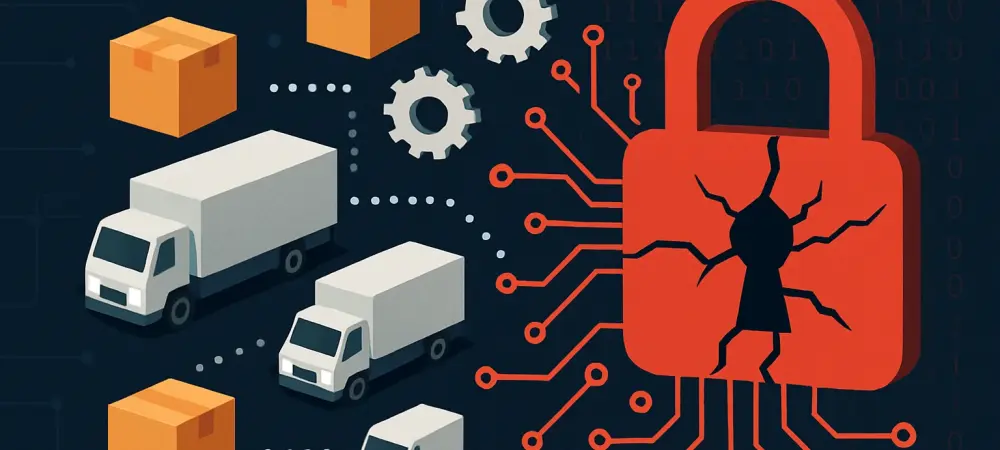
Unveiling the Hidden Risks in Digital Ecosystems
Imagine a scenario where a single weak link in a trusted vendor network exposes the sensitive data of multiple global tech giants overnight, creating a ripple effect of breaches across industries. This isn’t a hypothetical situation but a stark reality that unfolded through a sophisticated supply chain attack targeting SaaS platforms like Salesloft Drift. As businesses increasingly rely on interconnected digital ecosystems to streamline operations, the security of these third-party integrations has emerged as a pressing concern. Supply chain cybersecurity, the practice of safeguarding interconnected vendor systems and integrations, stands at the forefront of this battle against evolving cyber threats. This review delves into the mechanisms, vulnerabilities, and protective strategies surrounding this critical technology domain, spotlighting a recent high-profile breach to underscore its urgency.
In-Depth Analysis of Supply Chain Cybersecurity Features
Understanding the Core Mechanisms
Supply chain cybersecurity encompasses a range of technologies and practices designed to protect the digital pathways between organizations and their third-party vendors. At its heart lies the management of authentication protocols, such as OAuth tokens, which facilitate seamless data sharing across platforms like Salesforce. These mechanisms are intended to ensure secure access while enabling operational efficiency. However, as integrations multiply, so do the entry points for potential attackers, making robust monitoring and access control vital components of this technology.
Vulnerabilities in Third-Party Integrations
A glaring weakness in supply chain cybersecurity is the often-limited visibility into vendor security practices. Many organizations depend on SaaS tools without fully understanding the underlying protective measures—or lack thereof. The Qualys incident, where attackers exploited OAuth tokens in the Salesloft Drift platform to access Salesforce data, exemplifies this gap. While core systems remained untouched, the breach of lead and contact information revealed how even peripheral data can become a liability when trusted integrations are compromised.
Performance Under Real-World Threats
The performance of supply chain cybersecurity was put to the test in a broader campaign affecting industry leaders like Palo Alto Networks, Zscaler, and Google. Attackers consistently targeted CRM platforms, accessing business contacts and support case details. This pattern highlights a critical performance issue: current systems often fail to anticipate the exploitation of trusted relationships. The cascading impact on operational trust and continuity across sectors like technology and cybersecurity underscores the need for adaptive, proactive defenses over reactive measures.
Assessing Protective Strategies and Industry Responses
Incident Response and Immediate Containment
When breaches occur, the speed and effectiveness of incident response become crucial metrics for evaluating supply chain cybersecurity. In the Qualys case, the swift deactivation of Drift integrations with Salesforce and the engagement of Mandiant for investigation demonstrated a strong immediate response. Similar actions by other affected companies suggest an industry consensus on the importance of rapid containment, yet the recurrence of such incidents indicates that reactive strategies alone are insufficient.
Long-Term Mitigation Challenges
Mitigating supply chain cyber risks presents persistent challenges, particularly in balancing efficiency with stringent security. Complex authentication protocols and the sheer diversity of vendor ecosystems complicate efforts to enforce uniform standards. Many organizations struggle to conduct thorough vendor assessments or implement integration controls without disrupting workflows. This tension between functionality and protection remains a significant hurdle in enhancing the resilience of supply chain cybersecurity frameworks.
Emerging Trends and Tactical Shifts
Current trends reveal a shift in cybercriminal tactics toward exploiting interconnected systems for broader access. The focus on SaaS applications as entry points signals a need for evolved security measures, such as enhanced authentication frameworks. Industry collaboration is also gaining traction, with companies beginning to prioritize shared intelligence and stricter compliance standards. From this year onward, a push toward integrating advanced monitoring tools over the next few years could redefine how vulnerabilities are detected and addressed.
Verdict on Supply Chain Cybersecurity
Looking back, the Qualys breach and the wider campaign targeting SaaS integrations exposed critical flaws in the existing fabric of supply chain cybersecurity. These incidents served as a wake-up call, highlighting the urgent need for stronger defenses around third-party platforms. Moving forward, organizations must invest in deeper vendor scrutiny and adopt cutting-edge authentication technologies to close existing gaps. Collaborative efforts across industries should be prioritized to establish unified standards that preemptively counter evolving threats. Ultimately, the path to securing digital ecosystems lies in transforming supply chain cybersecurity from a reactive shield into a proactive fortress, ensuring that trust in interconnected systems is not just assumed but rigorously defended.