

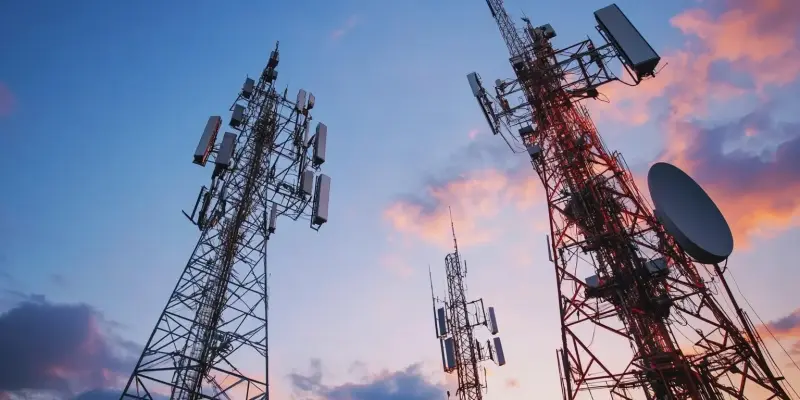
The recent cyberattack by Salt Typhoon, a sophisticated Chinese-linked hacking group, has exposed significant vulnerabilities in the U.S. telecommunications infrastructure. This breach has raised alarms about the security of American communications and highlighted the urgent need for modernization and enhanced cybersecurity measures. The sophisticated nature of the attack demonstrated the alarming fragility of the current systems and the necessity for a comprehensive response to ensure the integrity and security of national telecommunications.
The Salt Typhoon Breach: A Wake-Up Call
The Salt Typhoon hacking incident is one of the most advanced cybersecurity attacks on critical U.S. infrastructure to date. By targeting major telecommunications systems, the breach revealed weaknesses in aging systems, some of which date back to the 1970s. These outdated systems lack modern cybersecurity protections, such as multifactor authentication, making them susceptible to sophisticated attacks. The breach by Salt Typhoon did not just expose the vulnerabilities but also set a precedent, demonstrating how obsolete technology can be exploited in the absence of stringent security measures.
In response to the breach, the Cybersecurity and Infrastructure Security Agency (CISA) and the FBI issued a joint advisory. They urged American citizens and businesses to adopt end-to-end encrypted communication tools to safeguard sensitive information. End-to-end encryption ensures that only the sender and recipient can decrypt messages, protecting them from potential interception by third parties, including hackers. This directive from federal agencies underlines the pressing need for robust cybersecurity practices and the safeguarding of communications, particularly in the face of increasing cyber threats.
Modernization and Security Measures
The attack underscored the critical need for updating and securing legacy systems that are ill-equipped to handle contemporary cybersecurity threats. Many telecommunications systems in use today were developed in the late 20th century and have not been sufficiently modernized to incorporate standard cybersecurity measures. This gap made it feasible for Salt Typhoon to intercept voice calls and SMS messages across major U.S. telecommunications companies, compromising the privacy of countless communications. Updating these systems is now a matter of national urgency to prevent further breaches of such magnitude.
Despite the vast implications, U.S. intelligence officials have pointed out that communications utilizing end-to-end encryption applications remained secure. This noteworthy differentiation underscores the efficacy of modern encryption tools in safeguarding data against sophisticated cyber-attacks. Encrypted applications, such as Apple’s iMessage, Meta’s WhatsApp, and Signal, were noted for their immunity to the Salt Typhoon breach. This clear-cut evidence makes the case for widespread adoption of modern encryption tools to shield sensitive communication channels from similar future attacks.
End-to-End Encryption: A Double-Edged Sword
Both security experts and federal agencies emphasize the need for adopting advanced encryption methods as a protective measure against cyber threats. Encrypted communication means that data in transit is secure and indecipherable without the necessary cryptographic keys, significantly diminishing the risk of exploitation by adversarial entities. However, while encryption offers a robust defense, it also presents unique challenges, especially for businesses that need to comply with regulatory frameworks without compromising security.
Organizations operating in regulated markets face a dilemma. While encryption enhances security, it can impede compliance with regulatory mandates concerning data retention and access. For example, the financial sector mandates under SEC Rule 17a-4(b)(4) and the Sarbanes-Oxley Act necessitate the retention of communications relevant to business operations and financial audits. Similarly, compliance with HIPAA in healthcare requires stringent monitoring and retention of communications involving electronic protected health information (ePHI). Navigating these regulations while maintaining high levels of security through end-to-end encryption demands innovative solutions.
Balancing Security and Compliance
The immediate recommendation from federal agencies is to promote the adoption of end-to-end encryption among businesses and individuals as a principal defense mechanism. Encrypted communication means that data in transit is secure and indecipherable without the necessary cryptographic keys, significantly diminishing the risk of exploitation by adversarial entities. However, the complexity arises when these security measures intersect with compliance requirements, necessitating a thoughtful approach to balance both priorities effectively.
Organizations operating in regulated markets face a dilemma. While encryption enhances security, it can impede compliance with regulatory mandates concerning data retention and access. For example, the financial sector mandates under SEC Rule 17a-4(b)(4) and the Sarbanes-Oxley Act necessitate the retention of communications relevant to business operations and financial audits. Similarly, compliance with HIPAA in healthcare requires stringent monitoring and retention of communications involving electronic protected health information (ePHI). Hence, businesses must engineer strategies that incorporate comprehensive encryption solutions without undermining compliance.
Strategic Recommendations for Businesses
Companies should consider implementing end-to-end encryption for all internal and as many external communications as feasible. Numerous applications are available for various platforms that support secure messaging, collaboration, and call functionalities. However, companies in regulated industries need to adopt encryption solutions that meet their security needs without breaching compliance obligations. Tools that can integrate encryption with compliance features, such as audit trails and data retention capabilities, are essential. By leveraging these sophisticated technologies, businesses can maintain high security standards while satisfying regulatory requirements.
Creating comprehensive policies and procedures for using encrypted communications is crucial. For example, disabling time-based purge functions on encrypted messages that might render the organization non-compliant with data retention requirements. Continuous employee training on communication security and the overlaying regulatory framework is fundamental. Staff should be proficient in the use of encryption tools while being aware of the compliance implications. Such diligent training and policy structuring ensure that employees are well-informed and can operate effectively within the outlined secure communication frameworks.
Maintaining Baseline Cybersecurity Measures
The recent cyberattack by Salt Typhoon, a highly sophisticated hacking group with connections to China, has revealed serious vulnerabilities within the U.S. telecommunications infrastructure. This significant breach has set off alarm bells regarding the security of America’s communication networks, underscoring the urgent need to modernize and bolster cybersecurity measures. The advanced tactics used in this attack have laid bare the alarming fragility of existing systems, pointing to the necessity of a thorough and comprehensive response. There is an essential need to ensure the integrity and safety of national telecommunications and protect against future threats. As cyber threats continue to evolve and become more complex, it is imperative that the U.S. invests in cutting-edge technologies and more robust defenses. Collaboration between the public and private sectors will be crucial in developing strategies to safeguard critical communication infrastructure. This incident serves as a stark reminder of the ongoing cyber risks and the critical importance of staying ahead in the cybersecurity landscape to protect national security interests.