

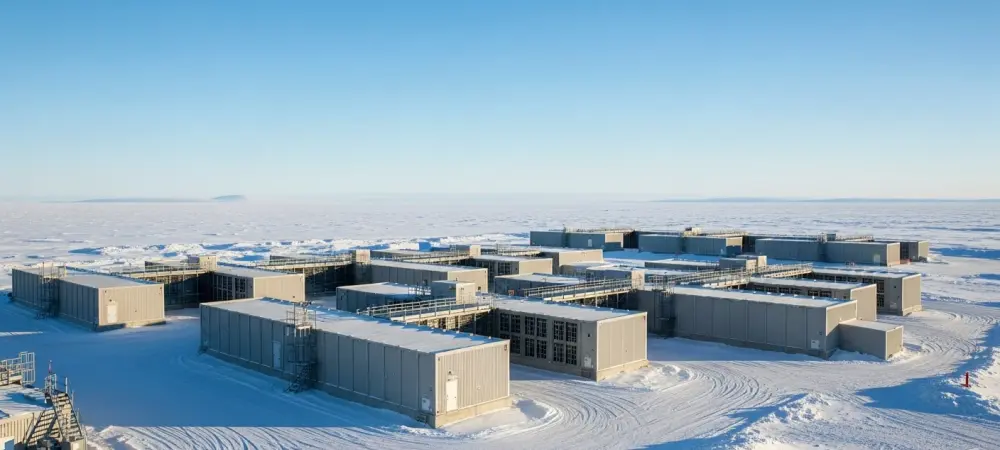
Alaska’s Tundra as the New Frontier for High-Performance Computing
The frozen expanse of the Arctic Circle is no longer just a haven for oil rigs and caribou; it is becoming the chilling heart of the global artificial intelligence boom. Stak Energy has unveiled a proposal for a three-gigawatt modular data center campus on Alaska’s North Slope, a project so massive it could redefine the state’s economic landscape. By leveraging sub-zero temperatures as a natural resource, this initiative seeks to solve the cooling and energy crises currently bottlenecking the data industry in more temperate climates.
This strategic move shifts the focus from traditional energy extraction toward a digital-first economy. The Arctic environment provides a massive competitive advantage, as the ambient air naturally regulates the heat generated by massive server clusters. As a result, the project promises to reduce operational costs while providing the high-density computing power necessary for modern neural network training and large-scale data processing.
The Convergence of Arctic Energy and Global Data Demands
As the demand for artificial intelligence and cloud computing skyrockets, traditional data center hubs are facing unprecedented power shortages and environmental scrutiny. Alaska offers a unique energy-first solution through vast, untapped natural gas reserves and a climate that eliminates the energy-intensive mechanical cooling typical of southern facilities. This project marks a pivot in how infrastructure firms view remote territories, transforming the Umiat Meridian from a simple transit corridor into a strategic digital powerhouse. Furthermore, the integration of local power generation with data processing creates a closed-loop system that minimizes transmission losses. By placing the computing hardware directly at the source of energy production, Stak Energy bypasses the grid congestion that plagues major metropolitan areas. This model suggests a future where data centers are defined by their proximity to energy and climate assets rather than urban population centers.
Technical Blueprint of the 3GW Modular Campus
The scale of the Stak Energy project is anchored by its strategic location and a robust, self-sustaining energy model designed for maximum efficiency. Preliminary approval for a 715-acre lease near the Dalton Highway and Deadhorse provides the necessary footprint for a multi-gigawatt operation. A dedicated one-gigawatt natural gas system will serve as the initial power source, fueled by a new network of pipelines specifically designed for the campus.
Utilizing the extreme ambient temperatures of the North Slope allows for specialized cooling of high-performance computing units, slashing the overhead costs associated with thermal regulation. A phased infrastructure development timeline began in early 2026 with site preparation and gravel road construction, leading to operational status by late 2028. This phased approach ensures the facility grows in lockstep with regional power availability and technological demand.
Expert Perspectives on Alaska’s Digital Evolution
Industry analysts and state officials view this proposal as part of a broader trend toward regional diversification in the tech sector. The project aligns with the US Department of the Air Force’s recent move to offer 4,700 acres across three Alaskan bases for data center leasing. Beyond AI training, the facility is positioned to provide specialized data operations for existing North Slope oil and gas producers, creating a feedback loop of local industrial support.
This industrial synergy allows the state to pivot its workforce from traditional drilling to high-tech infrastructure management. Analysts suggest that the convergence of fossil fuel abundance and digital demand creates a stable economic floor for the region. By diversifying the utility of natural gas, Alaska reinforces its relevance in a global economy that increasingly values computational throughput over raw kilowatt exports.
Navigating the Challenges of Arctic Infrastructure Development
Building a three-gigawatt facility in one of the most inhospitable environments on Earth required a specialized framework for logistics and environmental compliance. Modular data units allowed for rapid deployment and scalability in a region with a short construction season. This method reduced the time spent on-site, minimizing the footprint on the delicate permafrost while ensuring that hardware remained protected from the elements during the assembly process.
Navigating the rigorous State of Alaska filings ensured the long-term viability of the natural gas pipeline and data campus. Logistical connectivity leveraged the proximity to the Dalton Highway to manage the transport of high-tech hardware and construction materials to the remote Umiat Meridian site. Ultimately, this project provided a roadmap for transitioning northern economies into the digital age, proving that geographic isolation was an asset rather than a liability.