

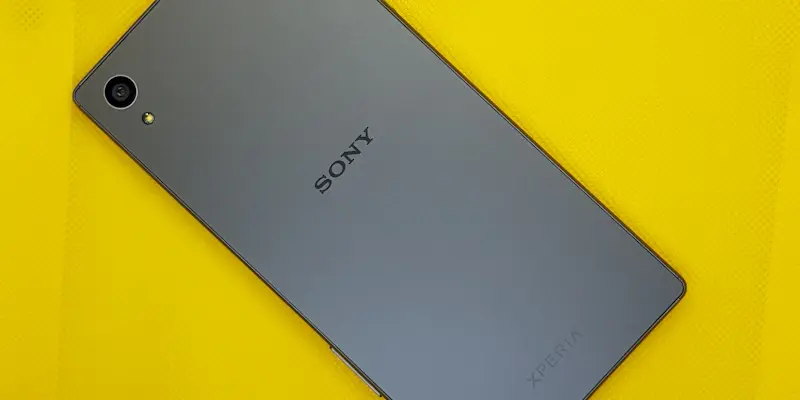
Sony’s upcoming Xperia 10 VII is positioned to captivate the midrange smartphone market, set against a backdrop of ever-evolving technology and consumer expectations. The addition of new features and upgrades demonstrates Sony’s ongoing commitment to improving the user experience. With rumors suggesting a considerable leap in both display and processing capabilities, the Xperia 10 VII is anticipated to bring a wealth of enhancements that will likely satisfy even the most discerning users.
A standout feature of the Xperia 10 VII is its display. This model is rumored to be equipped with a 120 Hz OLED screen, a significant upgrade from its predecessor, which had a 60 Hz refresh rate. The move to 120 Hz is expected to lead to smoother transitions and an overall more visually engaging user experience. Such improvements signify Sony’s dedication to pushing the boundaries of what is achievable in a midrange device, enhancing the overall appeal of the Xperia series.
Technical Advancements in Processor
The Xperia 10 VII is set to showcase significant enhancements in both display quality and processing power. While the older Xperia 10 VI was powered by a Qualcomm Snapdragon 6 Gen 1 SoC, the new Xperia 10 VII may incorporate either the Snapdragon 6 Gen 3 or the even more advanced Snapdragon 6 Gen 4. These upgrades promise users faster performance, better energy efficiency, and an enhanced ability to handle demanding tasks. This move signals Sony’s clear intention to keep its midrange smartphones competitive.
Whether the Xperia 10 VII gets the Snapdragon 6 Gen 3 or Gen 4, either choice represents a substantial improvement over its predecessor. Using the latest Snapdragon 6 Gen 4 would place the Xperia 10 VII at the forefront of midrange smartphones, offering exceptional speed and capability. Despite some uncertainties, there is no doubt the updated processor will greatly enhance user experiences, outperforming previous models.
In conclusion, the forthcoming release of the Sony Xperia 10 VII underscores a strategic effort to stay competitive in the midrange market. The model features a significantly improved OLED display with a higher refresh rate, combined with enhanced processing power. This balanced focus on performance and user satisfaction emphasizes Sony’s commitment to advancing the Xperia series. This model highlights Sony’s dedication to delivering powerful, visually superior devices that meet and exceed user expectations.