

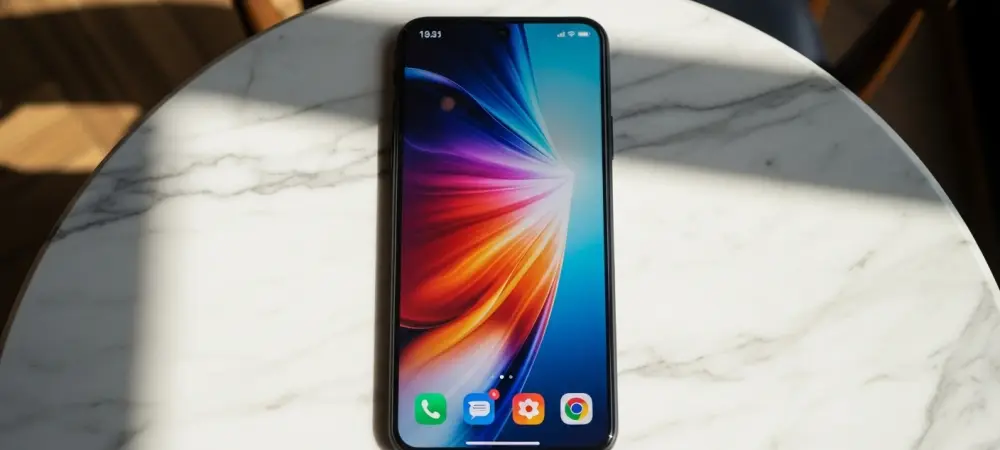
The smartphone industry has reached a point where flagship consistency often borders on stagnation, making the recent leaks regarding the Sony Xperia 1 VIII particularly compelling for enthusiasts. For years, Sony has maintained a distinct identity by adhering to a narrow, tall aspect ratio and a bezel-heavy design that prioritizes functional symmetry over the bezel-less trends followed by virtually every other major manufacturer. However, the latest reports indicate a dramatic pivot that might alienate long-term purists while simultaneously attracting a broader demographic that has previously overlooked the brand due to its rigid aesthetic. This shift suggests that the internal strategy at Sony is prioritizing market competitiveness and modern visual standards over the niche legacy features that defined the Xperia line for over a decade. The transition implies a realization that technical superiority in photography and display quality alone cannot sustain a premium brand if the physical form factor feels outdated to the average consumer. This pivot marks a new chapter where Sony seeks to harmonize its professional-grade imaging roots with the contemporary demands of the wider global smartphone audience.
Redesigning the Visual and Functional Hardware Architecture
The most jarring modification for returning users will undoubtedly be the implementation of a hole-punch display, which marks the end of Sony’s commitment to an completely uninterrupted screen. Since the inception of the current Xperia 1 series, the company has tucked the front-facing camera into the top bezel to ensure that movie enthusiasts and mobile gamers have a completely clean canvas without cutouts or notches. While this approach garnered a loyal following among media purists, it also resulted in larger physical dimensions compared to competitors offering similar screen real estate. The shift toward a centered cutout indicates a broader industry alignment, suggesting that Sony is now willing to compromise on its traditional design pillars to achieve higher screen-to-body ratios. This change also hints at a potential move away from the signature 21:9 aspect ratio, moving toward a slightly wider and more conventional 19.5:9 format. Such a change would make the device more ergonomic for one-handed use while maintaining the premium build quality expected from the brand.
On the reverse side, the hardware evolution continues with a departure from the iconic vertical camera strip that has graced the back of every flagship Xperia for years. Leaks suggest the adoption of a square-shaped camera module, a design choice that typically allows for the placement of larger optical components and more efficient thermal dissipation for the high-end image processors. This island is expected to accommodate a trio of sophisticated lenses, including a significantly upgraded telephoto sensor that utilizes periscope technology to achieve unprecedented zoom clarity. Rumors point to a sensor size increase that could rival professional compact cameras, particularly in low-light environments where previous models sometimes struggled despite their impressive manual controls. Furthermore, the inclusion of dedicated cutouts for laser autofocus and specialized microphones suggests that Sony remains committed to being the go-to choice for mobile cinematographers. This redesign is not merely aesthetic but appears to be a functional necessity to house the increasingly complex and physically large glass elements required for cutting-edge mobile photography in the current market.
Evolution of Technical Specifications and Market Positioning
Beyond the external transformations, the internal architecture of the upcoming device is expected to set a new standard for processing power and multitasking efficiency. Building on the foundation established by the current Snapdragon 8 Elite chipset, the new model likely optimizes its hardware-software synergy to deliver a more responsive user interface and faster rendering times for high-resolution video exports. Thermal management remains a critical focus, as the rumored move to a different chassis design could allow for an expanded vapor chamber or more advanced cooling materials to prevent the throttling issues that occasionally hampered earlier iterations during heavy workloads. Battery life is also a primary concern for high-end users, and indications suggest a 5,000mAh cell will remain the standard, albeit paired with significantly faster charging protocols. This evolution ensures that the device can keep up with the power demands of its bright, high-refresh-rate display and the intensive data processing required by its advanced camera suite, positioning it as a powerhouse for both professional creators and the most demanding high-end mobile gamers. The shift in design philosophy suggested that the manufacturer decided to prioritize accessibility and modern aesthetics to secure a more stable position in the competitive high-end market. While the move away from iconic features like the bezel-encased camera caused some debate among enthusiasts, the overall strategy focused on lowering the barrier to entry for users migrating from other ecosystems. To stay ahead, prospective buyers looked for upcoming official firmware updates that integrated more seamless AI-driven photography tools to complement the new hardware. Investors and competitors alike recognized that Sony had to reconcile its professional heritage with consumer-friendly innovations to ensure the longevity of the Xperia brand. Ultimately, the transition represented a bold step toward a more versatile product line that balanced specialized utility with universal appeal. By addressing long-standing criticisms regarding its conservative design, the company paved the way for a more integrated and visually cohesive mobile experience that met the expectations of a sophisticated audience. This approach solidified its reputation as a pioneer that remained capable of meaningful evolution.