
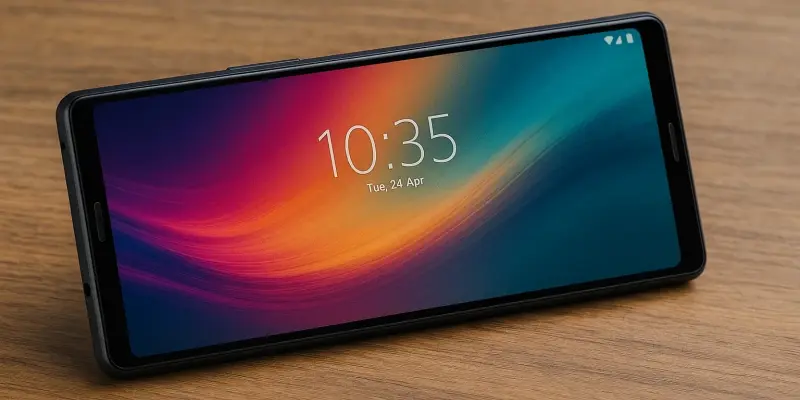
Sony Unveils Xperia 1 VII: Enhanced Camera and Audio Features

Article Highlights
Off On

In a competitive market where technological advancement determines consumer loyalty, Sony is poised to unveil its new flagship device, the Xperia 1 VII. This cutting-edge smartphone is set to succeed the Xperia 1 VI, promising users advanced features that cater to both photography enthusiasts and audio aficionados. The anticipated release is generating considerable buzz, sparked by credible leaks about its enhanced functionality. At the heart of the Sony Xperia 1 VII is a robust FHD+ OLED screen with a 19.5:9 ratio, crafted for an immersive viewing experience. The device is powered by the Snapdragon 8 Elite processor, signifying a commitment to delivering swift performance and efficiency. Analysts at the forefront of the industry note remarkable upgrades in image capturing technology, primarily through a larger telephoto sensor aiming for pristine zoom quality.

Advances in Multimedia and Market Dynamics

Sony’s renewed focus on enhancing multimedia capabilities underscores the changing preferences of today’s consumers. The improved battery life ensures all features, from camera to audio, operate efficiently over long periods. For audiophiles, the Xperia 1 VII offers noteworthy upgrades with its Walkman-tuned audio system, promising superior sound quality. This strategic direction emphasizes Sony’s commitment to boosting user engagement via multimedia excellence. Launching globally on May 15, the Xperia 1 VII will start sales in Japan and Taiwan, while Southeast Asia will see a slight delay until July. The timeline for the US release remains unclear. Priced at around $1400, it will be available in Black, Purple, and Khaki Green. This positions Sony strategically within the high-end market segment, catering to growing demand for devices offering exceptional audiovisual experiences. By prioritizing camera and audio innovations, Sony showcases its awareness of premium consumer needs, paving the way for future progress in smartphone technology.

Explore more

Hotels Must Rethink Recruitment to Attract Top Talent

With decades of experience guiding organizations through technological and cultural transformations, HRTech expert Ling-Yi Tsai has become a vital voice in the conversation around modern talent strategy. Specializing in the integration of analytics and technology across the entire employee lifecycle, she offers a sharp, data-driven perspective on why the hospitality industry’s traditional recruitment models are failing and what it takes

Trend Analysis: AI Disruption in Hiring

In a profound paradox of the modern era, the very artificial intelligence designed to connect and streamline our world is now systematically eroding the foundational trust of the hiring process. The advent of powerful generative AI has rendered traditional application materials, such as resumes and cover letters, into increasingly unreliable artifacts, compelling a fundamental and costly overhaul of recruitment methodologies.

Is AI Sparking a Hiring Race to the Bottom?

Submitting over 900 job applications only to face a wall of algorithmic silence has become an unsettlingly common narrative in the modern professional’s quest for employment. This staggering volume, once a sign of extreme dedication, now highlights a fundamental shift in the hiring landscape. The proliferation of Artificial Intelligence in recruitment, designed to streamline and simplify the process, has instead

Is Intel About to Reclaim the Laptop Crown?

A recently surfaced benchmark report has sent tremors through the tech industry, suggesting the long-established narrative of AMD’s mobile CPU dominance might be on the verge of a dramatic rewrite. For several product generations, the market has followed a predictable script: AMD’s Ryzen processors set the bar for performance and efficiency, while Intel worked diligently to close the gap. Now,

Trend Analysis: Hybrid Chiplet Processors

The long-reigning era of the monolithic chip, where a processor’s entire identity was etched into a single piece of silicon, is definitively drawing to a close, making way for a future built on modular, interconnected components. This fundamental shift toward hybrid chiplet technology represents more than just a new design philosophy; it is the industry’s strategic answer to the slowing