

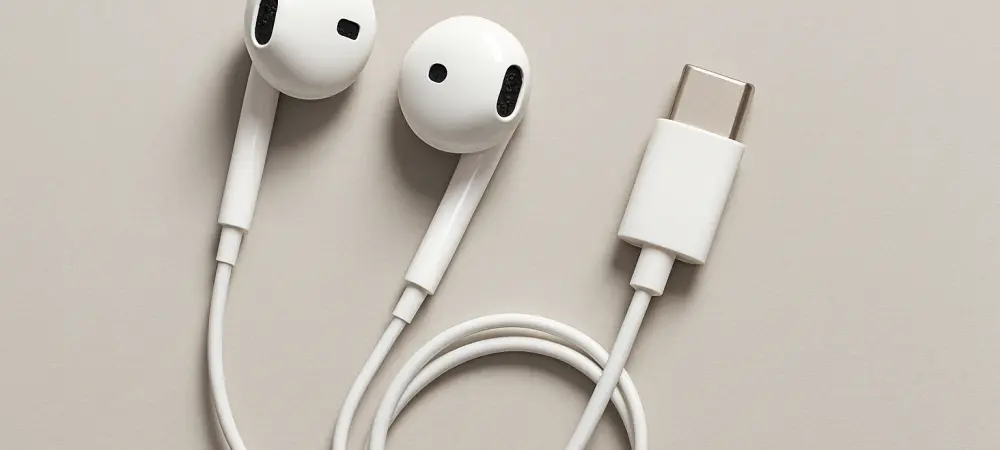
Imagine a world where high-quality audio doesn’t come with a hefty price tag, where a simple pair of earbuds under $30 can rival the convenience and performance of pricier alternatives, and with the rising cost of tech gadgets, many consumers are on the hunt for budget-friendly solutions that don’t skimp on essential features. Sony’s latest offering, a set of wired USB-C earbuds priced at just $29.99, has sparked conversations across the tech and audio communities. This roundup gathers insights, reviews, and opinions from various industry voices to explore whether these earbuds truly deliver value or if they fall short of expectations.
Diverse Perspectives on a Budget Audio Solution
Design and Compatibility: A Mixed Bag of Impressions
Feedback on the design of these earbuds highlights a practical, no-frills approach that appeals to many. Tech reviewers have noted the lightweight build and tangle-resistant cable as standout features, ideal for users who prioritize ease of use over flashy aesthetics. The USB-C connectivity is frequently praised for its compatibility with modern devices, making it a seamless fit for smartphones, tablets, and laptops.
However, not all opinions align on the design’s appeal. Some industry commentators point out that the simplicity might feel underwhelming to users accustomed to premium materials or more intricate styling. The availability of four color options—black, white, blue, and pink—along with three ear-tip sizes, garners appreciation for personalization, though a few voices suggest that durability could be a concern at such a low price point.
A recurring theme in discussions is the wired versus wireless debate. While many commend the absence of battery-related hassles, others argue that the lack of Bluetooth limits the earbuds’ versatility in a market increasingly leaning toward wireless freedom. This split in opinion underscores the niche these earbuds aim to fill for specific user preferences.
Sound Quality: Does the Price Reflect Performance?
When it comes to audio performance, opinions vary widely on whether the 5mm drivers deliver on Sony’s promise of robust bass and crisp vocals. Several audio enthusiasts have expressed pleasant surprise at the clarity achieved for casual listening, positioning these earbuds as a solid choice for everyday needs like podcasts or background music. The consensus among budget-focused reviewers is that the sound profile exceeds expectations for the cost.
Contrasting views emerge from audiophiles who argue that the depth and range fall short compared to higher-end wired options costing significantly more. Some have pointed out that while the bass is punchy, it can overpower subtler tones, potentially disappointing listeners seeking a balanced soundstage. This critique often comes with an acknowledgment that such trade-offs are expected in this price bracket.
A balanced perspective shared by multiple sources suggests that the target audience—casual listeners rather than critical audio fans—will likely find the performance more than adequate. The recurring advice is to temper expectations and appreciate the earbuds for what they are: an affordable entry point into decent sound quality without unnecessary frills.
Everyday Usability: Practicality Under Scrutiny
The practical features, such as the in-line remote and built-in microphone, receive widespread approval for enhancing user convenience. Tech blogs frequently highlight how these elements allow seamless control over calls, playback, and volume, making the earbuds a handy companion for commuting or remote work. The compact design also earns positive remarks for portability and comfort during extended use.
Some feedback, however, raises questions about long-term reliability. A few early users have noted that while the customizable fit with multiple ear-tip sizes is a plus, the overall build might not withstand rough handling over time. This concern is often balanced by the argument that at $29.99, the earbuds aren’t meant to compete with rugged, premium alternatives.
Comparative discussions often bring up competitors like Apple’s EarPods, with many reviewers favoring Sony’s offering for its comfort and value. A common tip shared across platforms is to treat these earbuds as a secondary or backup pair, ideal for situations where losing or damaging expensive gear is a risk. This practical framing resonates with cost-conscious consumers looking for no-fuss solutions.
Market Positioning: Filling a Budget Niche?
Industry analysts largely agree that these earbuds tap into a growing demand for affordable, straightforward audio devices. Many see Sony’s move as a strategic one, catering to users frustrated by the complexity or cost of wireless options. The pricing, roughly equivalent to £22 or AU$45 depending on the region, is often cited as a key factor in broadening their global appeal through Sony’s direct channels and retail partners.
Differing opinions surface regarding the long-term impact on the market. Some commentators believe this product could push other brands to innovate in the budget wired segment, addressing a persistent need for simplicity amid tech overload. Others caution that the low price might reinforce perceptions of compromised quality, potentially limiting the earbuds’ reach among skeptical buyers.
A notable insight from market watchers is the potential for these earbuds to redefine expectations for entry-level audio gear. The suggestion is that if Sony can maintain a balance of cost and performance, it might inspire a shift in how consumers view affordable tech, prioritizing functionality over flashy features. This perspective fuels optimism about the role of budget devices in democratizing access to reliable audio.
Key Takeaways from the Audio Community
Reflecting on the discussions, it becomes clear that Sony’s budget USB-C earbuds have carved out a notable space in the audio landscape. The roundup of opinions reveals a consensus on their value for money, with praise for practical design, decent sound, and modern compatibility outweighing concerns about durability or premium features. Diverse voices agree that the earbuds serve casual listeners well, even if they don’t meet the standards of audiophiles.
Looking ahead, consumers are encouraged to explore these earbuds as a cost-effective alternative or backup option for daily use, whether for calls, media, or on-the-go listening. For those intrigued by the balance of simplicity and performance, further exploration of budget audio trends and comparisons with similar products is recommended. This could provide deeper insight into whether affordable wired solutions might become a lasting preference in an ever-evolving tech market.