

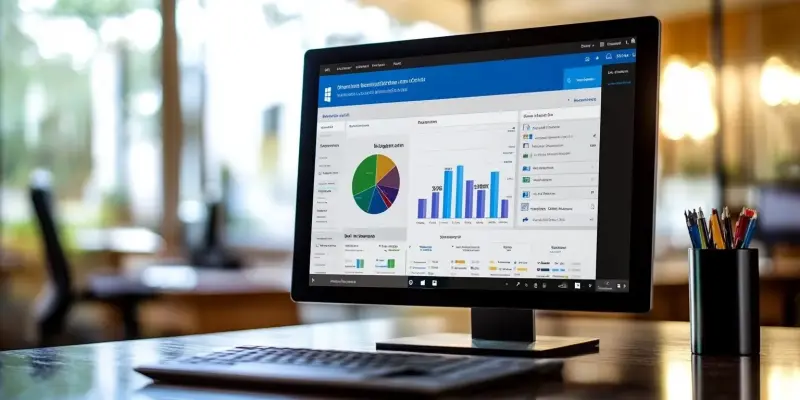
The construction equipment rental industry is fraught with operational challenges that can hinder growth and profitability. Outdated and disconnected software systems often exacerbate these issues, leading to inefficiencies, higher costs, and logistical nightmares. However, an integrated solution like Microsoft Dynamics 365 Business Central combined with ODT Rentals can transform these operations, streamlining processes and enhancing overall business performance.
Common Challenges in the Construction Equipment Rental Industry
Fragmented Systems and Data
Construction equipment rental companies often rely on multiple, disconnected systems to manage their operations. This fragmentation leads to significant delays and errors as data must be manually transferred between platforms. The lack of integration not only hampers productivity but also increases the risk of data inaccuracies, which can have a cascading effect on the entire business.
Moreover, the reliance on disparate systems makes it difficult to maintain a cohesive view of the business. Managers and decision-makers struggle to get real-time insights into operations, leading to suboptimal decision-making and missed opportunities for improvement.
Inadequate Functionality and Poor Mobility
Outdated software systems often lack the advanced functionalities required to meet the specific demands of the construction equipment rental industry. These systems may not support essential features like predictive maintenance, real-time fleet tracking, or comprehensive financial reporting. As a result, businesses are forced to rely on inefficient workarounds that can drain resources and reduce profitability.
Additionally, limited mobile access is a significant pain point. Field workers and service technicians need real-time access to data to update equipment statuses, manage maintenance schedules, and coordinate logistics. Without mobile capabilities, these tasks become cumbersome and error-prone, further hampering operational efficiency.
Ineffective Scheduling and Manual Processes
Scheduling and dispatching issues are common in the construction equipment rental industry. Poorly managed schedules can lead to logistical setbacks, missed deliveries, and disrupted operations. These challenges are often exacerbated by the reliance on manual processes and spreadsheets, which are prone to human error and inefficiencies.
Manual tracking of inventory, maintenance, and rentals can be time-consuming and error-prone. The lack of automation in these processes not only increases the risk of mistakes but also diverts valuable time and resources away from more strategic activities that could drive business growth.
The Integrated Solution: Microsoft Dynamics 365 Business Central with ODT Rentals
Rental Fleet Optimization and Equipment Maintenance
Microsoft Dynamics 365 Business Central combined with ODT Rentals offers a comprehensive solution to the challenges faced by construction equipment rental companies. One of the key features is rental fleet optimization, which provides real-time insights into fleet performance. This allows businesses to maximize uptime and reduce unexpected breakdowns, ensuring that equipment is always available when needed.
The solution also includes advanced equipment maintenance scheduling. By implementing predictive maintenance, businesses can reduce repair costs and minimize unplanned downtime. This proactive approach to maintenance not only extends the lifespan of equipment but also enhances overall operational efficiency.
Fixed Assets Management and Utilization Tracking
Managing fixed assets is a critical aspect of the construction equipment rental business. The integrated solution replaces manual processes with systematic, accurate financial tracking of capital gains, losses, and depreciation. This ensures that businesses have a clear understanding of their asset portfolio and can make informed decisions about asset management.
Utilization tracking is another crucial feature. The solution provides detailed insights into asset usage, helping businesses optimize deployment and maximize efficiency. By tracking equipment utilization, companies can identify underused assets and reallocate them to areas where they are needed most, thereby improving overall productivity and profitability.
Revenue Tracking and High ROI Equipment Rentals
Accurate revenue tracking is essential for the financial health of any business. The integrated solution enhances revenue tracking and analytics, enabling smarter decision-making for higher returns on rentals. Businesses can easily monitor revenue per rental and identify trends that can inform pricing strategies and promotional activities.
With analytics-driven insights, companies can boost returns on investments significantly. The solution helps businesses identify high-performing equipment and focus on maximizing their utilization. This targeted approach to equipment rentals ensures that businesses get the most out of their assets, driving higher profitability and growth.
Optimized Workflows and AI Integration
Streamlined Heavy Equipment Rentals
The integrated solution promotes smarter heavy equipment rentals through optimized workflows. Real-time data improves efficiency by cutting operational costs and reducing the time spent on manual processes. This streamlined approach to equipment rentals ensures that businesses can meet customer demands promptly and efficiently.
Moreover, the solution leverages AI for managing equipment scheduling and planned maintenance. AI-driven insights help businesses anticipate maintenance needs and schedule equipment more effectively, saving time and enhancing profitability. This advanced technology integration simplifies processes and reduces the burden on staff, allowing them to focus on more strategic tasks.
Multi-Location Management and Enhanced Operational Control
Managing multiple locations can be a complex task for construction equipment rental companies. The integrated solution supports streamlined processes and management across multiple locations, facilitating smoother expansion and growth. Businesses can easily track assets, personnel, and financials across different sites, ensuring consistent and efficient operations.
Enhanced operational control is another significant benefit. Real-time insights into fleet performance, maintenance schedules, and asset utilization help businesses make informed decisions quickly and accurately. This level of operational transparency ensures that management can promptly address any issues, mitigate risks, and capitalize on opportunities as they arise.
Scalability and Long-term Success
The construction equipment rental industry faces numerous operational challenges that can obstruct growth and profitability. Outdated and disconnected software systems frequently compound these problems, resulting in inefficiencies, higher costs, and logistical complications. These fragmented systems can make managing inventory, tracking equipment usage, and coordinating maintenance a cumbersome process, often leading to lost revenue and dissatisfied customers.
However, adopting an integrated solution such as Microsoft Dynamics 365 Business Central coupled with ODT Rentals can revolutionize these operations. This powerful combination streamlines processes by unifying disparate systems into a single, cohesive platform. It enhances overall business performance, offering real-time insights into inventory levels, maintenance schedules, and financial health. This integrated approach not only reduces operational costs but also improves customer satisfaction by ensuring equipment availability and reliability. By implementing this technology, rental companies can overcome their biggest challenges, fostering growth and long-term profitability.