

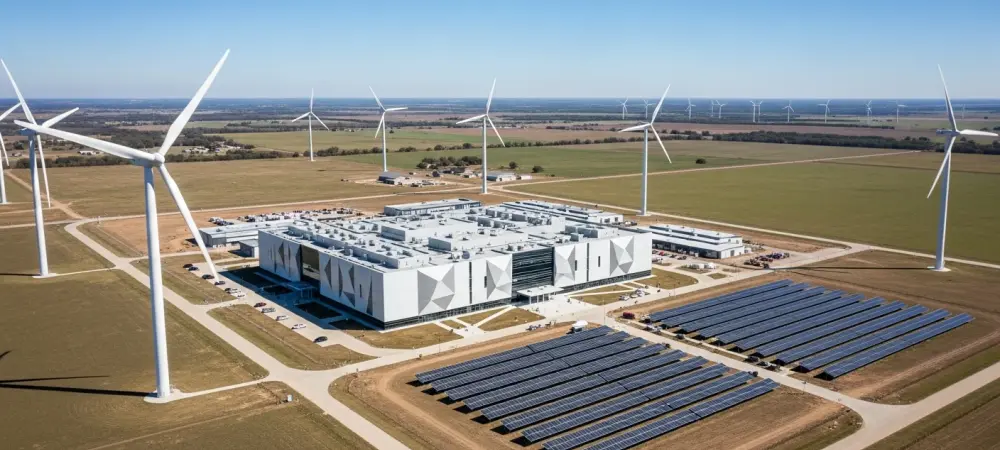
Deep within the gusty plains of the Texas Gulf Coast, a novel solution is emerging to power the digital age’s most demanding technology by harnessing energy that would otherwise vanish into thin air. Soluna Holdings, in a strategic move to reconcile the voracious energy needs of artificial intelligence with the inherent intermittency of renewable power, has begun developing a large-scale data center campus. This initiative, built in partnership with Metrobloks, aims to directly convert curtailed wind energy into computational power, creating a new paradigm for sustainable digital infrastructure. The project underscores a critical industry shift where the physical location of computing is dictated not by proximity to urban centers but by the availability of stranded, clean energy.
The Unlikely Pairing: Can Wasted Wind Power Fuel the AI Revolution?
The rapid proliferation of artificial intelligence has created an unprecedented demand for computational power, which translates directly into a colossal appetite for electricity. Training complex AI models and running large-scale inference workloads require massive, energy-intensive data centers operating around the clock. This surge in consumption places immense strain on traditional power grids, often leading to increased reliance on fossil fuels and raising significant environmental concerns about the carbon footprint of the digital revolution. The energy required to power a single advanced AI query can be orders of magnitude greater than that of a simple web search, a reality that challenges the sustainability of the technology’s exponential growth.
Simultaneously, the green energy sector faces a paradoxical challenge: waste. Wind and solar farms frequently generate more electricity than the grid can absorb, particularly during off-peak hours or in remote locations with limited transmission capacity. This phenomenon, known as curtailment, forces power producers to shut down turbines or disconnect solar panels to prevent grid instability. Consequently, vast amounts of clean, carbon-free energy are lost every year. This wasted potential represents a significant economic inefficiency for renewable energy operators and a missed opportunity to decarbonize energy-hungry industries.
A Deep Dive into Texas’s New AI Hub
To address this dual challenge, Soluna is developing Project Kati 2, a state-of-the-art data center in Willacy County, Texas. The facility is designed to provide over 100 megawatts of capacity specifically for AI and high-performance computing (HPC) workloads. This project represents the first phase of a broader campus vision with a roadmap to potentially support over 300 MW of total capacity, positioning it as a significant hub for intensive computing. The strategic location was chosen for its direct access to some of the state’s most productive wind farms, allowing the data center to draw power that might otherwise be curtailed.
The development is a collaborative effort between Soluna and Metrobloks. Under this co-development agreement, Metrobloks will oversee the facility’s design, manage leasing to tenants, and handle daily operations. Soluna, in turn, contributes its expertise in site development, existing power agreements, and critical electrical infrastructure. This partnership leverages the strengths of both organizations to accelerate the deployment of specialized digital infrastructure. The project has already attracted significant interest, with a potential neocloud tenant expressing intent to occupy the site, signaling strong market demand for such renewable-powered computing solutions.
Project Kati 2 is an integral part of the larger Project Kati campus, which is designed as a versatile, dual-purpose site. It will operate alongside Kati 1, a 166 MW facility slated to come online in 2026 to host a mix of Bitcoin mining and AI/HPC infrastructure. This dual-purpose strategy allows the campus to adapt to the fluctuating demands and economic cycles of both the cryptomining and AI sectors. By creating a flexible computing hub, Soluna aims to maximize the utilization of available renewable energy and provide a resilient infrastructure platform capable of serving diverse, high-demand clients.
The Soluna Blueprint for Sustainable Computing
According to CEO John Belizaire, the core of Soluna’s strategy is the development of “behind-the-meter” data centers. These facilities are co-located directly with renewable power plants, such as wind or solar farms, and draw electricity before it ever reaches the public grid. This model allows Soluna to capture curtailed energy that would otherwise be wasted and convert it into a valuable asset. By operating independently of the main grid’s constraints, these data centers can provide consistent, low-cost power for computationally intensive tasks.
This approach deliberately targets rural locations like West Texas over traditional tech hubs like Silicon Valley. For workloads such as AI model training and Bitcoin mining, the primary requirements are abundant, stable, and affordable power, not ultra-low-latency connections to metropolitan areas. Rural regions with significant renewable energy installations offer the ideal environment, free from the grid congestion and urban land constraints that plague traditional data center markets. This focus on secondary markets unlocks new opportunities for both the tech and energy sectors.
The economic advantages of this model are substantial. By operating behind the meter, Soluna’s data centers avoid transmission fees, grid congestion charges, and the price volatility common in public energy markets. This direct-sourcing model results in a lower, more predictable cost of power, giving clients a significant competitive edge. It creates a symbiotic relationship where the data center provides a consistent revenue stream for the power plant by purchasing its excess energy, while the power plant provides the data center with the affordable electricity it needs to thrive.
A Scalable Model for a Greener Digital Future
The success of Soluna’s model is not confined to Texas. The company is actively replicating this blueprint in other regions with similar renewable energy dynamics. For example, Project Sophie, a 25 MW data center in Kentucky, demonstrates the model’s adaptability to different energy markets and geographic locations. This expansion into new states validates the core premise that underutilized renewable energy can be found and harnessed across the country, providing a scalable path toward greening the digital economy.
Soluna’s growing portfolio showcases its commitment to “renewable computing at scale.” Beyond the operational Project Dorothy in West Texas and Project Sophie in Kentucky, the company has several other large-scale developments in its pipeline. These include the 120 MW Project Herdy and the 75 MW Project Annie, both also located in Texas, which will further solidify the state’s role as a leader in this emerging field. This diverse portfolio of projects illustrates a clear and executable strategy to build a distributed network of green data centers.
This framework represents a tangible path forward for sustainably powering the future of computing. By strategically building digital infrastructure where clean energy is most abundant, this model solves critical issues for both the technology and energy industries. It turns a liability—wasted power—into a powerful asset that fuels innovation. The approach offers a blueprint for how to align the explosive growth of technologies like AI with global sustainability goals, proving that the digital future does not have to come at the expense of the environment.