

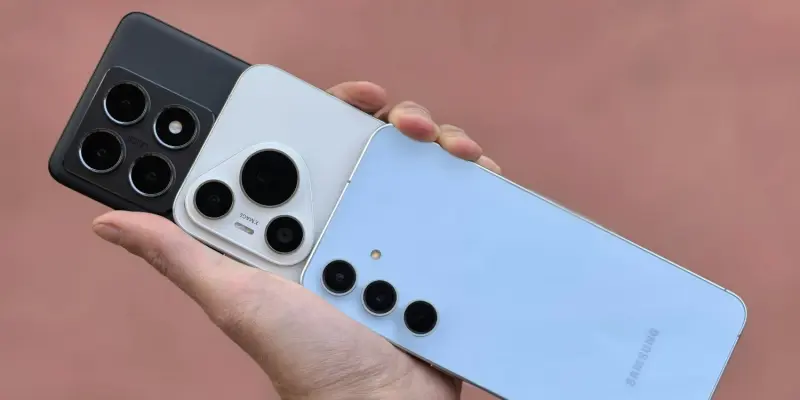
With the rapid advancements in mobile technology, smartphone cameras have emerged as formidable contenders to the traditionally dominant DSLR cameras. This comparison delves into the innovative strides made by smartphone models, such as the Samsung Galaxy S25 Ultra, Xiaomi 15 Ultra, and Google Pixel 9 Pro, all showcasing professional-grade capabilities challenging the DSLR stronghold in the photography realm. To understand the implications of these developments, we examine both categories based on key factors influencing their performance and user appeal.
Introduction to Smartphone and DSLR Cameras
The evolution of smartphone cameras illuminates a fascinating journey marked by incremental technological breakthroughs and user-driven innovations. As more individuals integrate photography into their daily lives, smartphones have capitalized on this trend by offering enhanced imaging tools previously exclusive to DSLRs. Meanwhile, DSLRs remain steadfast in their appeal to professional photographers, providing unmatched image quality and tactile control. In various industries, from media production to creative endeavors, the significance of both smartphone and DSLR cameras continues to grow. These two camera systems cater to diverse needs, shaping the future of visual storytelling. As technology advances, the market finds itself adapting to the shifting preferences of photographers seeking both convenience and excellence in image creation.
Comparative Features and Capabilities
Image Quality Comparison
Image quality remains a critical benchmark in evaluating camera systems. Smartphone advancements, exemplified by the Samsung Galaxy S25 Ultra’s 200-megapixel sensor, reveal improved capabilities to capture high-resolution images. Additionally, sensors developed in collaboration with renowned optics brands, as seen in Xiaomi 15 Ultra with its Leica-developed 1-inch sensor, enhance low-light performance, resembling the prowess of full-fledged DSLRs.
Despite these strides, DSLR cameras still hold an edge in sensor size, yielding superior image clarity and detail, particularly in professional settings. The larger sensors found in DSLRs facilitate better performance in challenging lighting conditions, providing photographers with greater creative flexibility. However, smartphones are closing the gap, leveraging AI-driven technology to optimize image processing and quality.
Versatility and Functionality
The flexibility of a camera often determines its appeal to a photographer’s diverse needs. DSLRs offer an array of lenses and manual controls, enabling photographers to customize settings according to specific scenes and styles of photography. The interchangeability of lenses further enhances the DSLR’s adaptability, making it an essential tool for specialized photography demands.
Conversely, smartphone cameras like the Google Pixel 9 Pro leverage computational photography and AI to automatically enhance images, simplifying complex tasks for users. This technological integration allows smartphones to offer impressive versatility in capturing images with varied effects, from artistic bokeh to perfect exposure. Computational features bridge limitations, making smartphones a viable alternative for quick, quality captures.
Portability and Convenience
Portability is an area where smartphones undeniably outshine DSLRs. Compact and lightweight by design, smartphones ensure that users can effortlessly capture moments without the burden of cumbersome equipment. Their seamless integration with social media platforms enhances user convenience, facilitating instant sharing and engagement.
For enthusiasts and professionals alike, the heavyweight DSLR represents a deliberate choice, appreciating the in-depth controls and unparalleled lens adaptability even if it impacts mobility. While DSLRs demand more commitment in handling, they allow for a more immersive and precise photographic process, catering well to dedicated photography projects.
Challenges and Limitations
Despite their advancements, both smartphone and DSLR cameras face intrinsic limitations. Smartphones cannot entirely replicate the large sensor’s benefits in DSLRs, impacting depth of field and overall image fidelity. Meanwhile, DSLRs involve a steeper learning curve, costlier investments, and physical bulkiness that may deter casual users.
Additionally, each system’s ability to adapt to different photography scenarios varies. Smartphones shine in everyday photography and instant sharing, while DSLRs better suit professional shoots, wildlife, and high-action sequences, emphasizing the importance of understanding user requirements before making a choice.
Conclusion and Recommendations
In this matchup between smartphone and DSLR cameras, each system presents distinctive strengths and weaknesses. Smartphones fuel the democratization of high-quality imagery, characterized by cutting-edge tech and user accessibility. Meanwhile, DSLRs retain their revered status among professionals, offering superior sensor quality and artistic control.
For casual users seeking a balance between convenience and quality, smartphones like the Google Pixel 9 Pro and Samsung Galaxy S25 Ultra serve well as high-performing, portable tools. However, for in-depth explorations in photography where control, beyond automated intelligence, is desired, DSLR cameras remain unmatched. The future holds exciting developments as both categories evolve to cater to an ever-diversifying audience of photographers.