

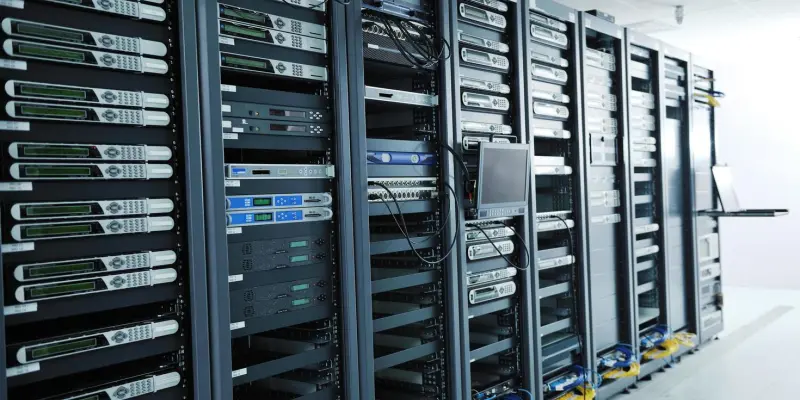
As data centers continue to expand and swiftly increase their energy consumption, the landscape of energy demand is evolving in extraordinary ways. These massive energy consumers, often considered synonymous with hyperscale facilities, are projected to account for a substantial portion of U.S. electricity consumption in this decade. For instance, recent projections estimate that data centers could consume between 6.7% to 12% of the nation’s total electricity by the close of this period. This growing demand, particularly in areas like Las Vegas, Phoenix, and Northern Virginia, places immense pressure on the energy infrastructure, often resulting in skyrocketing energy costs and an elevated risk of power outages.
Leveraging Demand Response Programs
The Role of Smaller Data Centers
Smaller data centers typically operate on a scale much smaller than hyperscale behemoths, yet they hold untapped potential for contributing to grid stability. Their involvement in Demand Response (DR) programs can play a significant role in managing energy consumption, particularly during peak periods. DR programs incentivize participants to reduce their energy use during high demand times, thereby alleviating the stress on the grid. Historically, these programs have been associated with large-scale data centers, but a shift is occurring where smaller centers are becoming essential players.
These smaller data centers are uniquely suited to partake in DR initiatives due to their ability to leverage distributed energy resources, including battery storage systems. By storing surplus energy when demand is low and deploying it during peak times, these centers can significantly reduce their dependence on the grid. Their contribution is crucial not only for grid stability but also for mitigating the risk of blackouts and managing energy costs more effectively.
Battery Storage Solutions
Battery storage systems represent a viable solution for smaller data centers to engage in DR programs successfully. These systems enable centers to store excess power generated during off-peak hours and release it when demand surges. This bidirectional energy flow ensures a steady energy supply and provides protection against potential grid failures. Furthermore, such systems offer financial benefits by lowering energy costs and capitalizing on incentives provided by utility companies for participation in DR programs.
The automation of these programs has simplified participation, making it easier for smaller operators to join without compromising their primary operations. By integrating cloud-based platforms and self-monitoring mechanisms, these data centers can ensure a seamless and efficient DR engagement. As a result, they can support the grid’s stability while also reaping substantial financial rewards.
Strategic Importance of Distributed Energy Resources
Enhancing Grid Stability
Distributed energy resources (DERs) such as battery storage are critical in enhancing the grid’s stability. With the Department of Energy’s announcement of plans to deploy between 80 GW and 160 GW of virtual power plants by the end of this decade, the reliance on DR opt-in programs will be indispensable. Smaller data centers are poised to play a pivotal role in this initiative, contributing to the creation of more resilient and reliable energy ecosystems.
By adopting DERs, these centers can alleviate the grid’s burden during peak demand times and supply standby power in instances of disruptions. This shift ensures that infrastructure remains stable and communities receive uninterrupted power supply. This strategic role also means that smaller data centers can contribute to the broad goals of the energy transition by facilitating the shift towards sustainable energy sources.
Financial and Operational Advantages
The involvement of smaller data centers in DERs extends beyond environmental benefits, offering significant financial and operational advantages. By optimizing energy usage and participating in DR programs, these centers can achieve substantial cost savings on their electricity bills. Additionally, incentives provided by utility companies further enhance their financial position, making the adoption of these technologies a lucrative endeavor.
Operationally, the use of battery storage and participation in DR programs provide a buffer against unforeseen power costs and grid instability. This not only ensures smoother day-to-day operations but also makes these centers more resilient against potential energy market fluctuations. Consequently, their investment in DERs and energy-efficient technologies ultimately fosters long-term sustainability and cost-effectiveness.
Clean Energy Transition Goals
Contribution to National Energy Objectives
The broader vision for the clean energy transition requires collective effort, with smaller data centers standing as key contributors. The Department of Energy’s goal to establish a substantial network of virtual power plants underscores the necessity of widespread participation in DR programs. Smaller data centers, by integrating into these virtual power plants, directly support these targets, helping to weave a fabric of reliable, sustainable energy sources. This contribution aligns with national efforts to reduce carbon footprints and enhance the adoption of renewable energy. By participating in these programs, smaller data centers not only aid in achieving energy independence but also play an essential role in meeting emission reduction targets. This alignment with national objectives places smaller centers at the forefront of the energy transition movement, championing a sustainable future.
Addressing Potential Risks
The urgency of embracing these energy-related advancements cannot be overstated. Data centers that opt not to participate in DR programs and ignore battery storage solutions face considerable risks, including higher blackout susceptibility and potential backlash from the community due to their substantial energy consumption. Therefore, proactive engagement in these programs and technologies is not just advantageous but necessary for the longevity and reputation of these centers.
Moreover, non-participation may lead to missed financial opportunities and the inability to benefit from grid stability solutions, which could have long-term operational and cost implications. Therefore, data centers must recognize the importance of these advancements and contribute to the shared vision of a resilient, sustainable energy network.
Dual Benefits for Data Centers and Communities
Enhancements Beyond Energy Savings
The adoption of DERs and participation in DR programs presents a dual benefit scenario, improving the operational landscape of smaller data centers while positively impacting their surrounding communities. These measures not only enhance energy reliability and reduce costs but also lower the environmental footprint associated with traditional energy consumption methods.
Participating in DR programs allows data centers to support local grids, ensuring consistent energy supply and reducing the likelihood of outages during critical periods. This reliability is especially important in areas prone to energy disruptions, offering businesses and residents a dependable power source. It fosters goodwill and community support, as data centers’ active roles in energy stabilization become evident.
Support for Local Economies
Data centers that invest in battery storage solutions and DR programs contribute to local economies in meaningful ways. The capital spent on infrastructure improvements and the subsequent operational savings can be channeled back into community development projects. Whether through enhanced services, job creation, or direct community investments, the economic impact of these measures is far-reaching.
Engaging in sustainable practices also positions these centers as leaders in corporate responsibility. This perception enhances their market reputation, attracting potential clients who prioritize environmentally conscious operations. The intersection of profitability and social responsibility becomes a winning strategy for data centers looking to make a lasting impact.
Looking Ahead
As data centers continue to expand and rapidly increase their energy consumption, the landscape of energy demand in the U.S. is transforming in significant ways. These facilities, often equated with hyperscale data centers, are expected to account for a considerable share of the country’s electricity usage during this decade. Projections suggest that data centers could consume between 6.7% and 12% of the nation’s total electricity by the end of this period. This surging demand, especially in regions like Las Vegas, Phoenix, and Northern Virginia, exerts tremendous pressure on the existing energy infrastructure. Consequently, this often results in escalating energy costs and a higher risk of power outages. The substantial energy needs of these facilities necessitate improvements in energy efficiency and the exploration of alternative energy sources to mitigate the impact on the grid and ensure a reliable power supply. Addressing these challenges is crucial, as the role of data centers continues to grow, impacting both economic and environmental landscapes in the U.S.