

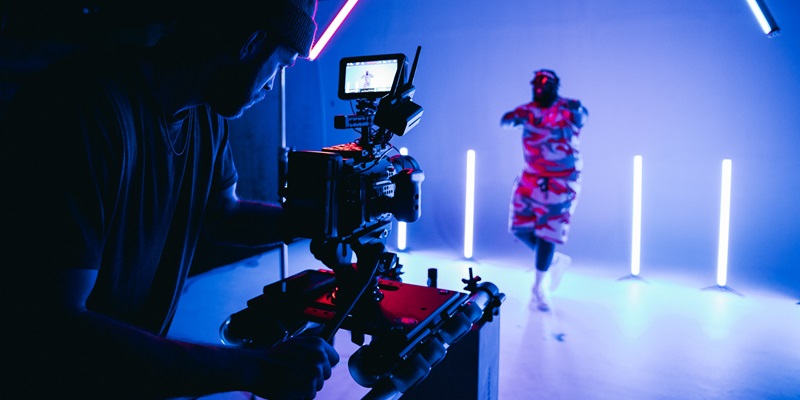
In a world where vertical integration within the film industry can stifle creativity and limit opportunities for filmmakers, MovieBloc has emerged as a game-changing platform. With a focus on empowering filmmakers and providing transparent revenue-sharing arrangements, audience statistics, and equal film screenings, MovieBloc seeks to revolutionize the industry by bringing about a decentralized and more inclusive approach.
Collaboration with DWF Labs and Their Support for MovieBloc’s Vision
The strategic partnership between MovieBloc and DWF Labs signifies a significant leap forward in realizing MovieBloc’s future vision. DWF Labs, a prominent player in the digital ecosystem, has actively embraced MovieBloc’s mission and is using its vast resources and extensive network to promote the platform and its creator ecosystem. This collaboration emphasizes DWF Labs’ commitment to supporting and uplifting creators, fostering innovation, and encouraging community interaction.
The Importance of Blockchain Technology in Revolutionizing Filmmaking
The emergence of blockchain technology has revolutionized various industries, and filmmaking is no exception. By leveraging the decentralized and distributed nature of blockchain, MovieBloc aims to disrupt the traditional film business model, effectively addressing the industry’s pain points. Blockchain technology offers numerous advantages, including transparency, immutability, and security. These features, combined with MovieBloc’s platform, have the potential to transform the way films are produced, distributed, and consumed.
MovieBloc’s Decentralization Provides More Options for Filmmakers and Viewers
One of MovieBloc’s primary objectives is to provide filmmakers with a wider range of options and opportunities for their projects. By decentralizing the film business, MovieBloc allows content providers to showcase their work to a global audience without the limitations imposed by traditional distribution mechanisms. This decentralization empowers filmmakers by giving them greater control over their work and providing them with a platform to connect directly with their audience.
Strategic Objectives of MovieBloc Include Providing Transparency and Equal Opportunities
MovieBloc is committed to providing transparent revenue-sharing arrangements for filmmakers, a significant departure from the opacity often associated with the industry. Filmmakers on the platform can expect fair and transparent revenue distribution, ensuring that they are adequately compensated for their creative efforts. Moreover, MovieBloc’s dedication to equal film screenings ensures that films with unique perspectives and stories, which may have been overlooked in traditional distribution mechanisms, are given the recognition they deserve.
Significance of the MovieBloc Foundation-DWF Labs Partnership
The partnership between MovieBloc Foundation and DWF Labs underscores the increased dedication of their valued partner in supporting MovieBloc’s mission. DWF Labs’ involvement brings a wealth of resources, expertise, and connections to the table, amplifying MovieBloc’s reach and impact. This collaboration holds immense potential for transforming the film industry as it creates a decentralized, unbiased, and innovative platform that challenges the status quo.
The MovieBloc and DWF Labs partnership symbolizes a significant step towards transforming the film industry. Through decentralization and innovation, MovieBloc offers filmmakers a platform to showcase their work, connect with audiences, and receive fair compensation. The strategic collaboration with DWF Labs augments MovieBloc’s capabilities, ensuring the platform’s growth and impact. With this partnership, the film industry may witness a much-needed paradigm shift where filmmakers are empowered, creativity thrives, and community engagement flourishes. The future of the film industry is being shaped by MovieBloc and DWF Labs, and the transformative potential is truly exciting.