

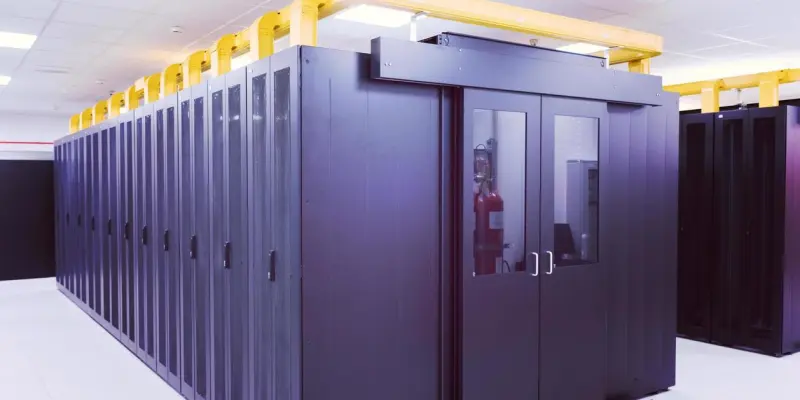
In a significant effort to combat the environmental impacts of digital technology, the US Senate has introduced the Clean Cloud Act, aimed at regulating emissions from data centers and blockchain networks. The bill, spearheaded by Democrats Sheldon Whitehouse and John Fetterman, highlights growing concerns regarding the rising energy demands of modern data infrastructure and its potential burden on household energy costs. The legislation seeks to impose fees on facilities that exceed federal emissions targets, targeting sectors such as artificial intelligence (AI) models and cryptomining operations, which have seen substantial growth in power consumption.
Environmental Performance Standards
The Clean Cloud Act mandates the Environmental Protection Agency (EPA) to establish an emissions performance standard for sizable data centers and cryptomining facilities, specifically those with over 100 kW of installed IT nameplate power. This standard is based on regional grid emissions intensities and includes an ambitious 11% annual reduction target. Penalties for facilities that surpass this standard start at $20 per ton of CO2e, with annual adjustments for inflation coupled with an additional $10 per ton. This approach aims to incentivize data centers to adopt cleaner energy practices and technologies, thereby mitigating their environmental footprint. The bill’s provision for regional grid emissions intensities reflects a nuanced understanding of differing power generation profiles across various parts of the country. Regions reliant on cleaner energy sources may find compliance less challenging compared to those dependent on fossil fuels. By committing to an 11% annual emissions reduction, the legislation pushes for consistent progress in energy efficiency. Lawmakers hope this gradual but steady approach will foster innovation in energy-conscious data management, setting a precedent for global sustainability efforts in the tech industry.
Rising Power Demand and Future Projections
The rapid expansion of data centers and their associated energy consumption has become a focal point of environmental discussions. Data centers are expected to represent up to 12% of the total US power demand by 2028. This stark projection underscores the urgent need for regulatory action to curtail the ecological impact of data center growth. According to research by Morgan Stanley, the global expansion of data centers could lead to approximately 2.5 billion metric tons of CO2 emissions by the decade’s end. Such figures bring into sharp relief the necessity of proactive oversight and sustainable energy practices within the tech sector. Critics argue that without legislative measures like the Clean Cloud Act, unchecked growth in data center energy use could significantly hinder broader climate goals. The proposed emission standards aim to streamline accountability, encouraging operators to innovate and adopt greener technologies in their infrastructure. Future power demand projections necessitate immediate and coordinated efforts to balance technological advancement with environmental stewardship.
Industry Criticism and Policy Implications
Matthew Sigel, the head of research at VanEck, has voiced criticism of the Clean Cloud Act, describing it as an unfair targeting of Bitcoin miners and similar operations. Sigel terms this approach a “Losing ‘Blame the Server Racks’ Strategy,” suggesting it may disproportionately affect certain industry segments. Concerns are also raised that the law might conflict with the broader US policy, particularly that pursued under President Donald Trump, who had repealed an executive order by former President Joe Biden that aimed to establish AI safety standards. The intersection of Bitcoin mining and AI models presents an additional layer of complexity. Many miners have diversified into AI data-center hosting to generate revenue and repurpose existing high-performance computing infrastructure. This diversification trend aligns with the industry’s broader adaptation to fluctuating cryptocurrency prices and the implications of Bitcoin network halving. While the legislation’s intent is to promote environmental responsibility, industry stakeholders worry it could stifle innovation by imposing stringent regulations that might not resonate with the flexible and rapidly evolving nature of tech entrepreneurship.
Trade Wars and Economic Considerations
Ongoing trade wars pose a threat to the stability and operations of blockchain networks and data centers. Aggressive tariffs and retaliatory trade policies could disrupt the supply chains of node operators, validators, and other key participants in cryptocurrency infrastructure. Economic uncertainties triggered by global trade conflicts have made the tech landscape particularly vulnerable, with potential impacts on income stabilization for miners anticipated in the first quarter.
Proponents of the Clean Cloud Act argue that despite these challenges, the legislation is crucial for setting a benchmark for sustainable industry practices. By introducing regulatory consistency, policymakers hope to preemptively address environmental concerns while remaining mindful of the economic factors at play. The act’s implementation phase would likely include collaborative efforts with industry leaders to ensure practical and effective execution, balancing the need for stringent emissions standards with the flexibility to accommodate technological progress.
Conclusion
In a major effort to address the environmental effects of digital technology, the US Senate has proposed the Clean Cloud Act. This legislation aims to regulate emissions from data centers and blockchain networks, which are significant contributors to energy consumption. Spearheaded by Democrats Sheldon Whitehouse and John Fetterman, the bill underscores the increasing concerns about the soaring energy demands of modern data infrastructure. The initiative also highlights the potential financial burden on household energy costs. The proposed law seeks to impose fees on facilities that surpass federal emissions targets, specifically targeting high-energy sectors such as artificial intelligence (AI) models and cryptomining operations. These sectors have experienced substantial growth in recent years, leading to a significant rise in power consumption. By implementing these regulations, the Clean Cloud Act aims to reduce the carbon footprint of the technology industry and promote more sustainable practices across data-intensive sectors.