

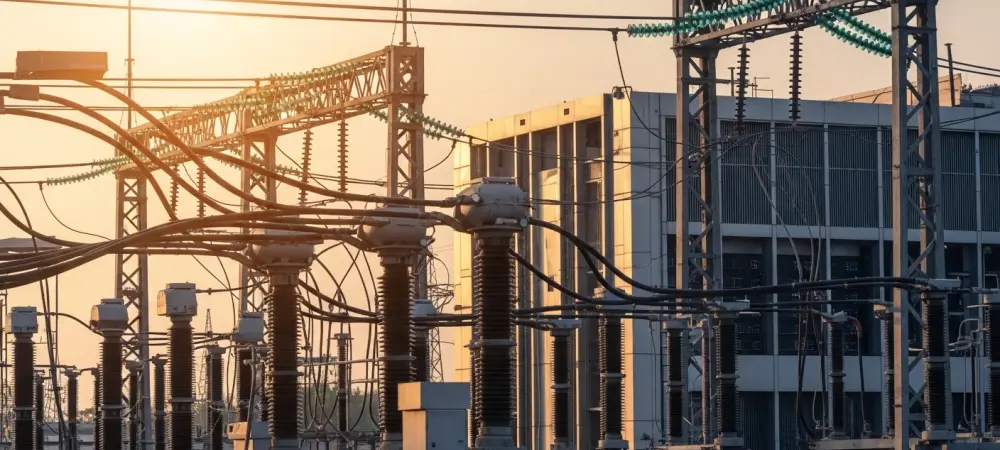
The industrial heartlands of Northern England are currently undergoing a profound metamorphosis as massive digital fortresses begin to replace the soot-stained silhouettes of the twentieth-century steel industry. This shift is exemplified by Sembcorp Energy UK’s recent proposal for a 280MW data center campus at Wilton International. Such a massive power threshold reflects the growing appetite for high-density computing that defines the current technological age. Teesside serves as a critical gateway for international investment, offering a unique blend of heritage and modern utility. By leveraging state-backed expertise from Singapore, Sembcorp is positioning this region as a cornerstone of the United Kingdom’s digital backbone. This transition from heavy manufacturing to digital assets marks a deliberate move to revitalize urban centers through high-value tech infrastructure.
Shifting Paradigms in Data Center Development and Regional Growth
Technological Drivers and the Rise of AI-Ready Infrastructure
Artificial Intelligence is fundamentally altering the blueprints of modern digital property. The move toward air-cooled systems at the Teesside site demonstrates a commitment to balancing high-density computing with thermal efficiency. Moreover, the collaboration with Digital Reef ensures that the facility is purpose-built to handle the specialized workloads required by machine learning frameworks. The site’s strategic advantage lies in its private wire electricity grid, which offers a level of energy security rarely found in traditional urban hubs. This setup allows for a seamless connection between generation and consumption, mitigating the risks associated with public grid congestion. Consequently, the project provides a reliable sanctuary for mission-critical data in an increasingly volatile energy market.
Market Projections and Teesside’s Economic Transformation
As the UK’s data center capacity is forecasted to grow through 2030, regional hubs are becoming more attractive than saturated markets like London or Paris. Teesside’s trajectory toward becoming an AI Growth Zone offers investors a compelling alternative characterized by lower land costs and higher scalability. This revaluation of industrial land into high-tech corridors represents a significant long-term shift in real estate strategy.
Navigating Power Constraints and Land Use Competitions
Global power scarcity has forced developers to seek sites with diverse and resilient energy sources. The Wilton International site addresses this challenge by integrating gas, biomass, and waste-to-energy units into its supply chain. This diversity ensures grid stability while supporting the massive energy off-take required for a campus of this magnitude.
However, the path to development involves navigating competing interests, such as the regional demand for green hydrogen production. Balancing these needs requires a sophisticated approach to land management, especially when repurposing historic sites like the former Teesside Steelworks. Success depends on the ability to harmonize digital expansion with the broader national push for sustainable energy.
Regulatory Frameworks and the Push for AI Growth Zones
The UK government’s designation of prioritized zones provides essential financial incentives and expedited power access for critical projects. Compliance with local planning and environmental standards remains a priority, ensuring that the North East’s ecological integrity is maintained. Such frameworks are vital for attracting the foreign investment necessary to fuel national infrastructure.
Security and data sovereignty also play a central role in the regulatory landscape. As digital assets become more integral to national security, the protocols governing these facilities must be rigorous. This project underscores the importance of cross-border partnerships in establishing a secure and sovereign digital environment within the United Kingdom.
The Future of the Teesside Tech Corridor and Beyond
Future operations at the Teesside campus may soon integrate advanced carbon-neutral solutions, such as hydrogen-ready cooling and biomass integration. This model could serve as a global blueprint for regenerating derelict industrial sites into sustainable tech parks. As global economic shifts influence local ecosystems, the ability to adapt to green standards will define the next generation of digital infrastructure.
Strengthening the UK’s Digital Backbone through Strategic Investment
The proposal for the 280MW campus acted as a vital catalyst for regional employment and established a new standard for technological prestige. Stakeholders who navigated the complex intersection of energy and real estate successfully secured a foothold in a burgeoning market. This investment proved that the long-term viability of the region depended on its ability to evolve alongside the global data economy. Moving forward, the focus must shift toward optimizing these facilities for autonomous operations and deeper integration with local renewable grids to ensure a resilient and carbon-aware digital future.