

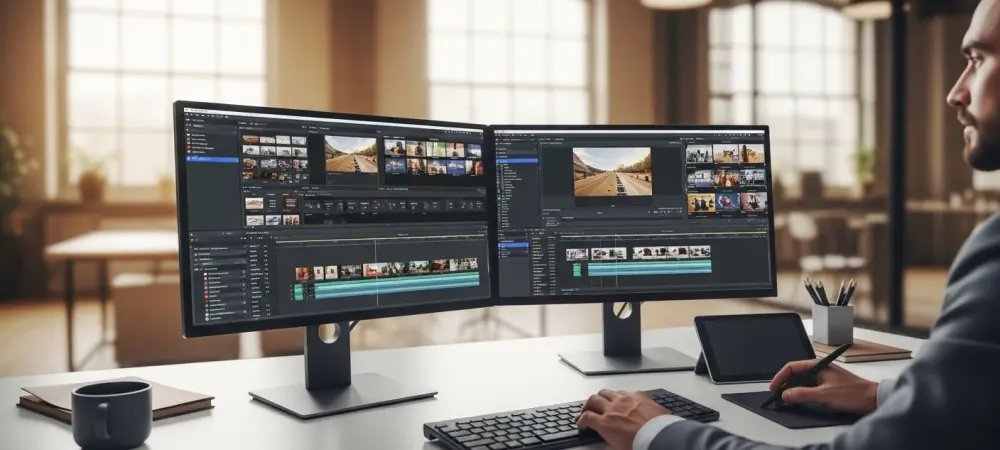
The rapid acceleration of generative video technology has fundamentally altered the barrier to entry for high-quality motion graphics and cinematic storytelling, turning what used to be weeks of production into mere minutes of processing. As the digital landscape becomes increasingly saturated with short-form content and high-definition marketing visuals, creators are constantly seeking tools that balance automation with granular artistic control. Seedance 2.0 enters this competitive environment not merely as a basic generator, but as a sophisticated creative hub that bridges the gap between conceptual ideation and professional-grade output. By moving away from the limitations of simple text-to-video prompts, the platform introduces a more nuanced methodology that respects the complexity of the creative process. This evolution reflects a broader trend in 2026 where the focus has shifted from the novelty of AI generation toward the practical utility of these tools in actual production pipelines, ensuring that the technology serves the vision rather than dictating it.
Beyond the technical mechanics, the platform represents a shift in how visual narratives are constructed in the modern era. Traditional video production often creates a bottleneck where ideas must wait for lighting, casting, and complex editing software mastery before they can be visualized. The current iteration of this technology minimizes these friction points, allowing for a more fluid exchange between a creator’s imagination and the screen. This democratization of high-end visual production means that independent storytellers and small marketing firms now possess the same stylistic capabilities that were once reserved for large-scale studios. By focusing on a comprehensive creative environment, the system provides a space where users can experiment with aesthetic choices without the financial or temporal risks associated with traditional filming. This environment fosters a new kind of creative freedom where the primary limitation is no longer the budget or the technical skill set, but the depth of the initial concept itself.
1. Initial Impressions and System Interface
The user interface of the platform prioritizes a streamlined aesthetic that manages to be accessible to novices while retaining the depth required by seasoned industry professionals. Upon entering the workspace, the layout presents a clean, distraction-free environment that avoids the cluttered menus typical of legacy video editing suites. The onboarding process is particularly noteworthy, as it guides users through the core functionalities without resorting to overly technical jargon or steep learning curves. This approachability is crucial in an era where speed of adoption determines the success of a tool, ensuring that creators can begin producing content almost immediately after their first login. The logical arrangement of tools ensures that the most frequently used functions are always within reach, while advanced settings remain easily accessible for those who wish to fine-tune specific parameters of their generated videos. What truly distinguishes the interface is the implementation of multi-input flexibility, which allows users to guide the generative process using a variety of sensory data. Instead of relying solely on written descriptions, the system permits the integration of images, audio clips, and reference footage to provide the AI with a multidimensional understanding of the desired outcome. This layered approach to input results in outputs that feel deliberate and highly customized, moving away from the generic aesthetics often associated with early AI video tools. For example, a user can upload a specific color palette or a sound profile to influence the mood and pacing of the scene, creating a cohesive visual experience that aligns with a specific brand or narrative tone. This synergy between different media formats ensures that the final product is not just a random generation, but a calculated execution of a specific creative vision.
2. Streamlined Operating Procedure: From Concept to Export
The operational workflow within the system is engineered for maximum efficiency, following a logical progression that mirrors the standard phases of traditional production but at a fraction of the time. The first stage involves outlining the core vision or providing specific creative assets, such as character sketches or environment references, which serve as the foundation for the AI’s logic. By establishing these parameters early, the system can better interpret the nuances of the request, leading to a more accurate initial draft. This phase is less about rigid instructions and more about setting a creative direction, allowing the software to fill in the technical gaps while the user remains the primary architect of the story. This collaborative dynamic between human intent and machine execution is the cornerstone of the modern creative workflow, prioritizing the conceptual stages of the project.
Once the initial assets and descriptions are provided, the second stage allows the AI to construct a high-fidelity video using the provided data points as a structural roadmap. During this processing phase, the engine analyzes the relationships between the text, images, and audio to ensure that the resulting motion is fluid and contextually appropriate. The third and final stage involves the refinement and modification of the output, where users can polish specific details, adjust transitions, or save the project in various professional formats. The sheer speed of this three-step process allows for rapid prototyping, which is an invaluable asset for creators who need to test multiple visual concepts in a short amount of time. This capability enables an iterative design process where filmmakers and designers can explore dozens of variations before settling on the perfect shot, a luxury that was historically impossible.
3. Distinguishing Features: Precision and Cinematic Quality
One of the most significant hurdles in the world of AI video generation has always been the maintenance of visual continuity across different scenes and frames. This platform addresses this challenge with a sophisticated temporal consistency engine that ensures character features, lighting conditions, and environmental details remain stable throughout the duration of the clip. In many older systems, characters might subtly change appearance or lighting might flicker between shots, but this technology manages to keep these elements anchored, resulting in a much more professional feel. This stability is essential for narrative storytelling, where any visual inconsistency can immediately pull the viewer out of the experience. By prioritizing these subtle technical details, the software provides a level of reliability that makes it suitable for projects that require a high degree of visual fidelity and polish.
Furthermore, the integration of audio as a core component rather than a secondary addition significantly enhances the cinematic quality of the final output. The system treats sound bites and background scores as structural elements that influence the rhythm and timing of the visual transitions, ensuring that every cut and camera movement feels synchronized with the auditory experience. This holistic approach to production results in a more immersive final product that mimics the techniques used by professional film editors. Whether it is a subtle camera pan that follows the swell of a musical score or a character’s motion that aligns with the tempo of a voiceover, the synchronization is handled with a high degree of precision. These advanced features, combined with professional-grade camera management, allow users to create content that rivals traditional cinematography in its depth and emotional resonance.
4. Versatility and Real-World Use Cases
The adaptability of the platform across different sectors highlights its role as a versatile tool for the modern digital economy, serving various industries from education to high-end marketing. In the marketing sector, teams can now generate high-impact promotional videos and concept advertisements without the logistical headaches and financial burdens of organizing a live-action shoot. This allows brands to respond to market trends in real-time, producing localized or personalized video content at a scale that was previously unthinkable. Similarly, in the realm of social media, the platform enables creators to maintain a consistent posting schedule of high-quality clips, keeping their audiences engaged with fresh and visually stimulating content. The ability to quickly pivot between different styles and formats makes it an essential asset for any digital strategy.
The impact of this technology extends into the fields of education and professional filmmaking as well. Educators can now convert static, text-based lessons into immersive visual experiences that cater to different learning styles, making complex information more accessible and engaging for students. By transforming abstract concepts into vivid animations or reenactments, the platform enhances the pedagogical value of digital curriculum. In the film and tech industries, the software serves as a powerful prototyping and storyboarding tool, allowing directors and developers to visualize scenes and user interfaces before committing to full-scale production. This pre-visualization capability helps teams identify potential issues early in the creative process, saving both time and resources. This broad range of applications demonstrates that the tool is not just a niche product for artists, but a fundamental utility for anyone involved in visual communication.
5. Future Considerations and Actionable Strategies
The transition from experimental AI video tools to practical creation environments like this platform marks a significant milestone in the evolution of digital media. For creators looking to leverage these advancements, the most effective strategy involves treating the technology as a sophisticated extension of their existing toolkit rather than a total replacement for manual skills. Users should focus on developing a deep understanding of multi-input prompting, as the ability to blend different types of references will increasingly become the primary skill set in the generative era. By mastering the art of guiding the AI through specific visual and auditory cues, creators can ensure that their work remains distinctive in a landscape that will soon be flooded with automated content. The emphasis must remain on the unique human perspective that drives the machine.
As the industry moves forward, the focus will likely shift toward even tighter integration between generative tools and professional editing ecosystems. Creators should stay informed about updates to export formats and compatibility with industry-standard software to ensure a seamless transition between AI-generated assets and final post-production. It is also advisable to begin building personal libraries of reference images, textures, and sound profiles that can be used to train or guide these systems toward a signature style. This proactive approach allows individuals and small teams to build a recognizable brand identity that stands out through its consistency and artistic depth. Ultimately, those who view these developments as an opportunity to expand their creative horizons, rather than a threat to traditional methods, will be the ones best positioned to lead the next wave of visual storytelling.