

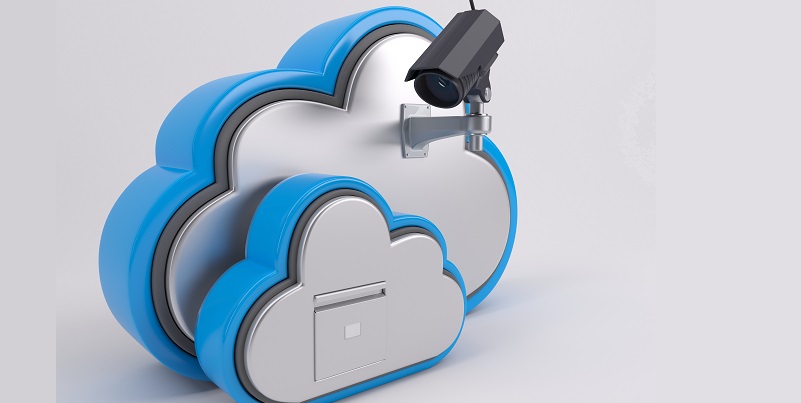
In today’s digital landscape, businesses are increasingly migrating to the cloud, making the need for robust Cloud Security Posture Management (CSPM) solutions more pressing than ever. In this article, we will explore the importance of CSPM solutions, discuss key considerations in choosing the right solution, and highlight the benefits of investing in a solution that aligns with your goals and provides a good return on investment.
Importance of CSPM
CSPM solutions play a critical role in providing visibility into cloud infrastructure security. By monitoring and analyzing cloud environments, these solutions help businesses identify and mitigate potential security risks before they become major issues. With the complexity of cloud infrastructure and the constant threat landscape, having an effective CSPM solution has become essential for safeguarding sensitive data and maintaining compliance.
Alignment with Goals and Security Strategy
When selecting a CSPM solution, it is crucial to choose one that aligns with your specific goals and security strategy. Consider your organization’s unique needs, compliance requirements, and long-term objectives. By aligning your CSPM solution with your existing security framework, you can enhance your overall security posture and achieve better results.
Comprehensive Visibility
A key feature to look for in a CSPM solution is comprehensive visibility into your cloud environment. This allows for in-depth monitoring, identification of misconfigurations, non-standard deployments, and other potential security risks. With comprehensive visibility, you can proactively address vulnerabilities, ensuring a robust security posture that protects your data and infrastructure.
Automated Remediation
Time is of the essence when it comes to addressing security issues. Look for a CSPM solution that offers automated remediation capabilities. This feature enables the prompt resolution of identified issues, minimizing downtime and reducing the chances of a security incident occurring.
Seamless Integration
Your CSPM solution should seamlessly integrate with your existing security infrastructure, including cloud service providers, security information and event management systems, and other security tools. The ability to exchange data and leverage existing tools enhances efficiency and improves overall security operations.
Scalability Considerations
As your business grows, your cloud environment will expand. Therefore, it is essential to choose a CSPM solution that can scale alongside your organization. Ensure that the solution can handle increased data volume, the addition of new cloud services, and provide real-time monitoring across all cloud assets.
Vendor Reputation and Support Services
The reputation and reliability of the CSPM vendor are crucial factors to consider. Research the vendor’s track record, customer reviews, and industry recognition. Additionally, evaluate the available support services they offer, including technical assistance, training, and regular updates to ensure that your CSPM solution remains up-to-date and effective.
Cost Considerations
While cost should not be the sole determining factor, it is important to compare the costs associated with different CSPM solutions. Consider both upfront costs and potential long-term savings resulting from enhanced security and reduced risk of security incidents. A well-chosen CSPM solution will provide tangible value to your organization and be a worthwhile investment in the long run.
In the age of cloud migration, investing in a robust CSPM solution is crucial for businesses seeking to enhance their cloud security posture. By selecting a solution that aligns with your goals and security strategy, provides comprehensive visibility, and offers automated remediation, you can effectively mitigate potential risks and protect your cloud infrastructure. Additionally, seamless integration, scalability, vendor reputation, and cost considerations are vital factors for making an informed decision. By considering these factors, you can choose a CSPM solution that not only meets your security needs but also provides a good return on investment. Stay proactive and ensure your cloud environment is adequately protected with the right CSPM solution.