

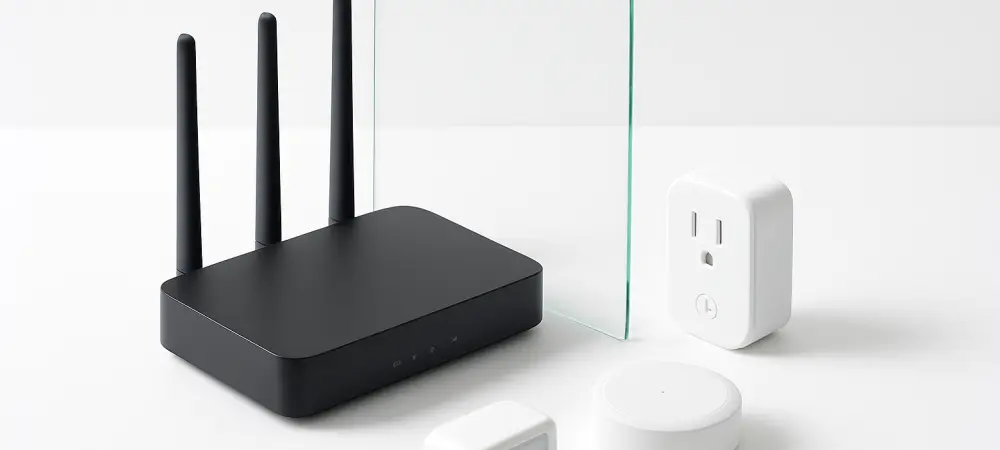
Standard home network configurations often place high-value personal computers and sensitive banking data on the same digital plane as budget smart lightbulbs that lack basic encryption or long-term security patches. This architectural flaw represents a significant blind spot in modern residential cybersecurity, where the convenience of a connected life frequently overrides the necessity of robust data protection. Most users treat their home Wi-Fi as a single, large bucket where every device, from a high-end workstation containing years of financial records to a generic five-dollar smart plug, interacts freely. This lack of segmentation means that the security of the most critical asset is only as strong as the security of the cheapest, most neglected gadget on the network. When a device is added to a standard home setup, it typically receives full visibility of all other connected hardware, creating an environment where a single compromise can lead to a total breach of privacy. As the number of connected devices per household continues to climb in 2026, the risks associated with this flat network structure have shifted from theoretical possibilities to daily realities for many unsuspecting homeowners. Addressing this issue requires a fundamental shift in how network boundaries are defined and maintained within the private residence, moving away from simple connectivity toward a more disciplined and defensive posture that prioritizes the isolation of potentially vulnerable hardware from essential digital assets.
The Structural Risks of Unified Connectivity
Smart home gadgets are notoriously insecure because they are often manufactured with a primary focus on low production costs rather than high-level digital defense. Many of these devices utilize outdated Linux kernels or lack the hardware resources to support modern encryption standards. Because the market for smart home technology is flooded with thousands of manufacturers, many smaller companies do not provide consistent security patches or long-term software support. This leaves devices vulnerable to known exploits for years, essentially turning them into permanent open windows in a digital house. Furthermore, these gadgets are designed to be “always-on” and “always-connected,” providing a constant, stationary target for automated botnets and malicious actors searching for entry points into private networks. By 2026, the sophistication of automated scanning tools has reached a point where an unprotected smart device can be discovered and probed within minutes of being connected to the internet, making initial security configurations more important than ever before.
Once a single device like a connected doorbell camera or a smart kitchen appliance is compromised, it serves as a launchpad for further lateral movement within the network. In a unified network environment, there are no internal barriers to prevent a compromised lightbulb from scanning the network for other devices, such as a personal storage server or a laptop used for remote work. This lateral movement is the primary method through which attackers escalate a minor breach into a full-scale data theft operation. From the perspective of a malicious actor, a smart plug is not just a tool for controlling a lamp; it is a bridge into a secure environment that likely contains usernames, passwords, and sensitive personal information. By keeping all hardware on a single network, homeowners essentially provide a master key to every room in their digital lives to anyone who can pick the simplest lock on the outermost door. This risk is amplified as homes become more integrated, with appliances sharing more data and interacting with cloud services in increasingly complex ways.
Leveraging Guest Networks for Effective Isolation
Moving smart devices to a guest network creates a vital logical wall between untrusted gadgets and sensitive personal data. This setup allows smart home technology to maintain its connection to the internet for cloud-based controls and mobile app functionality while simultaneously blocking its ability to see or communicate with computers, tablets, and smartphones. It essentially places high-risk hardware in a quarantine zone where it can function perfectly without being able to spy on private files or intercept sensitive traffic. Most modern routers offer a guest network feature as a standard inclusion, making this one of the most cost-effective and accessible ways to enhance home security without requiring specialized hardware or professional installation. This isolation strategy ensures that even if a budget sensor is successfully hijacked by a botnet, the attacker remains trapped within the guest segment, unable to reach the core devices where the truly valuable information resides.
To maximize the effectiveness of this isolation, many router interfaces include a feature known as Client Isolation or Access Point Isolation. When this setting is enabled, devices on the guest network are prevented from communicating not only with the main network but also with each other. This creates a highly secure environment where a compromised smart thermostat cannot infect a nearby smart speaker or security camera. In 2026, this level of granular control is increasingly necessary as the variety of communication protocols used by IoT devices expands. By preventing inter-device communication, homeowners can contain a security breach to a single point of failure, drastically reducing the potential for a cascading network collapse. This approach follows the principle of least privilege, ensuring that each device only has access to the specific resources it needs to operate—typically just an outbound connection to its manufacturer’s cloud server—while being denied access to everything else by default.
Advanced Configuration and Long-Term Maintenance
Beyond the immediate security advantages, isolating smart devices on a dedicated guest network significantly simplifies the long-term management of a digital household. If a primary network password needs to be changed due to a security concern or a local breach, the homeowner does not have to spend hours re-configuring dozens of headless smart devices that lack screens or intuitive user interfaces. By keeping the smart home ecosystem on its own stable guest SSID with a dedicated password, the primary network remains agile and easy to update. This separation also provides a clearer view of network performance, as high-bandwidth activities like video streaming on a primary laptop are less likely to be impacted by the constant “chatter” of dozens of smart sensors and appliances. As home automation becomes more pervasive, the organizational benefits of this tiered approach become just as valuable as the security protections they provide, allowing for a more orderly and predictable digital environment. For those seeking an even higher degree of control, the guest network serves as an introductory step toward professional-grade network management through Virtual Local Area Networks, or VLANs. This more advanced approach allows for the creation of multiple isolated segments, such as one for security cameras, one for home entertainment, and another for work-from-home hardware. While implementing VLANs requires more sophisticated networking equipment and a deeper level of technical knowledge, it offers the most robust protection available for residential settings. This strategy adheres to a deny-by-default rule, where no communication is allowed between network segments unless a specific rule is created by the administrator. By transitioning toward these managed configurations, homeowners can achieve a level of security that was once the exclusive domain of large corporations and government agencies. This proactive stance ensures that the home remains a secure fortress, even as the number of connected appliances continues to expand from 2026 toward the end of the decade.
Actionable Protocols for Enduring Security
The implementation of a guest network for non-essential gadgets served as a primary defense mechanism against the rising tide of automated botnet attacks that targeted residential infrastructure. Homeowners who adopted these isolation strategies found that their sensitive personal data remained untouched even when individual smart devices fell victim to industry-wide vulnerabilities. By establishing clear boundaries, these users successfully mitigated the risks of lateral movement and ensured that a compromise at the edge of the network did not lead to a breach at the core. The process of auditing existing hardware and reassigning it to the appropriate network segment proved to be a transformative step in modern cyber hygiene. This shift in mindset moved the focus from simple connectivity to a more nuanced understanding of risk management, allowing the benefits of a connected home to be enjoyed without the accompanying anxieties of total data exposure.
Maintaining a secure home environment required a commitment to ongoing vigilance and the regular assessment of all connected hardware. The first actionable step involved conducting a comprehensive inventory of every device in the household to determine which required access to the local network and which only needed an internet connection. Following this audit, users disabled features like Universal Plug and Play (UPnP) on their routers, which often opened unintended holes in the firewall for the sake of convenience. Furthermore, the practice of sunsetting older devices that no longer received firmware updates became a standard procedure for those prioritizing security over legacy functionality. These specific actions, combined with the foundational security provided by guest network isolation, created a resilient defense-in-depth strategy. By consistently applying these principles, individuals were able to protect their digital identities and financial information against the evolving threats of the mid-2020s, ensuring a safer and more private future for their connected households.