

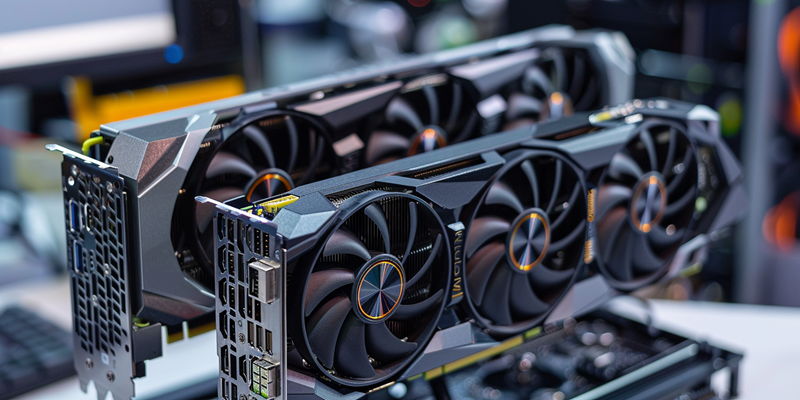
Seasonic recently rocked the tech world by listing several unreleased AMD Radeon RX 7000 GPUs on its Wattage Calculator webpage. The GPUs in question include the Radeon RX 7990 XTX, RX 7950 XTX, RX 7950 XT, RX 7700, and RX 7500 XT. This unexpected appearance of new models has sparked widespread speculation about whether AMD is planning a refresh of its high-end RDNA 3 lineup or if these models are merely placeholders. Given Seasonic’s history of accurately listing GPUs before their official release, the community is abuzz with theories and anticipation.
While it is not uncommon for PSU manufacturers to update their databases, Seasonic’s Wattage Calculator has been particularly notable for preemptively featuring GPUs ahead of their official announcements. For instance, the tool had previously listed models like the Radeon RX 7900 XT, RX 7800 XT, and RX 7700 XT before their official reveal, adding credibility to its current listings. Among the highlighted models, the Radeon RX 7990 XTX, RX 7950 XTX, and RX 7950 XT have garnered the most interest. Such entries could potentially indicate AMD’s strategy to refresh its RDNA 3 lineup, especially considering AMD’s track record of upgrading its architecture with enhanced versions.
The Mystery Listings
The tech community is in a state of excitement and curiosity following Seasonic’s recent Wattage Calculator update. This tool, used by many to determine suitable power supplies for their PC builds, has a history of listing GPUs ahead of their official release. Sightings of products like the Radeon RX 7900 XT, RX 7800 XT, and RX 7700 XT on this platform have been accurate predictors of imminent launches. Thus, the appearance of new Radeon RX 7000 series models such as the RX 7990 XTX, RX 7950 XTX, and RX 7950 XT has understandably set off a wave of speculation.
If these new entries are more than just placeholders, they could signal AMD’s forthcoming refresh of its RDNA 3 architecture. This move would be in line with AMD’s historical practices of releasing enhanced versions of their GPU models. Recall that the RDNA 2 lineup saw the advent of boosted “XX50” models like the 6950 XTX, 6750 XT, and 6650 XT, featuring faster memory and higher clock speeds. Given this precedent, it is plausible that AMD might be preparing to enrich its RDNA 3 lineup with similarly enhanced GPUs.
Speculations on RDNA 3 Refresh
The potential introduction of an RDNA 3 refresh suggests several enhancements in performance and capabilities might be on the horizon. AMD’s RDNA 3 architecture currently comprises three primary chip designs—Navi 31, Navi 32, and Navi 33—each fully utilized in existing desktop configurations. A refresh could imply boosting these setups with improved specifications to keep pace with competitors like NVIDIA. For instance, advances in technology such as higher clock speeds, increased thermal design power (TDP), and faster memory solutions are anticipated.
One of the notable possibilities is the utilization of Samsung’s 24 Gbps memory dies or the advanced GDDR6W memory, both of which could significantly enhance memory bandwidth and overall GPU performance. This would not only address potential performance gaps but also improve AMD’s competitive stance against NVIDIA’s high-end offerings, which are increasingly leveraging higher memory speeds and advanced memory technologies. A refreshed RDNA 3 lineup would ensure that AMD can maintain its market presence effectively until its next-generation GPUs are ready for release.
Historical Trends and Market Response
Historically, AMD has shown a propensity for refreshing its GPU lineups to bolster performance and maintain competitiveness. The RDNA 2 series witnessed similar enhancements with its “XX50” models, integrating faster memory and higher clock speeds. In the highly competitive GPU market, a refresh of this nature could prove essential for AMD to remain relevant and competitive. The speculated RDNA 3 refresh aligns with this trend, potentially serving as an interim measure before the release of AMD’s RDNA 4 GPUs, which have been rumored to be delayed until 2025.
This delay in next-generation GPUs adds weight to the argument for an RDNA 3 refresh. By rolling out enhanced versions of its current lineup, AMD could bridge the performance gap created by NVIDIA’s aggressive advancements. Higher clock speeds, increased TDP, and advanced memory solutions would enable AMD’s GPUs to compete more effectively in the high-end segment, offering consumers powerful alternatives. Such a strategy not only addresses immediate performance needs but also ensures AMD’s competitiveness over the next few years.
Community Reactions and Future Prospects
The tech community has largely embraced the possibility of an RDNA 3 refresh, recognizing the potential for significant performance improvements. Enthusiasts and industry experts have noted the reliability of Seasonic’s listings as accurate predictors of upcoming releases. This history of accuracy lends credence to the speculation surrounding the unreleased Radeon RX 7000 models. Furthermore, AMD’s current roadmap, which lacks new RDNA 3 ASICs, suggests that any advancements will likely come in the form of refreshed models, rather than entirely new architectures.
Such refreshed GPUs could feature enhancements aimed at matching or even surpassing NVIDIA’s current offerings. By leveraging advancements in memory technology and GPU architecture, AMD could create a compelling lineup that appeals to both gamers and tech enthusiasts. The potential for higher clock speeds and power ratings would further position AMD as a strong contender in the high-performance GPU market, fostering optimism within the community about the future prospects of the company’s graphics division.
Implications for AMD and the Market
Seasonic recently stirred the tech community by listing several yet-to-be-released AMD Radeon RX 7000 GPUs on its Wattage Calculator webpage. The GPUs mentioned include the Radeon RX 7990 XTX, RX 7950 XTX, RX 7950 XT, RX 7700, and RX 7500 XT. This unexpected reveal has sparked extensive speculation about whether AMD is preparing a refresh of its high-end RDNA 3 lineup or if these models are merely placeholders. Given Seasonic’s history of accurately listing GPUs before their official launch, the tech community is buzzing with theories and anticipation.
It’s not unusual for PSU manufacturers to update their databases, but Seasonic’s Wattage Calculator is particularly noteworthy for consistently featuring GPUs ahead of their official announcements. Previously, it listed models like the Radeon RX 7900 XT, RX 7800 XT, and RX 7700 XT before their official reveal, lending credibility to its current listings. The Radeon RX 7990 XTX, RX 7950 XTX, and RX 7950 XT have particularly piqued interest. These entries might indicate AMD’s strategy to refresh its RDNA 3 lineup, aligning with its history of releasing enhanced versions of its architectures.