

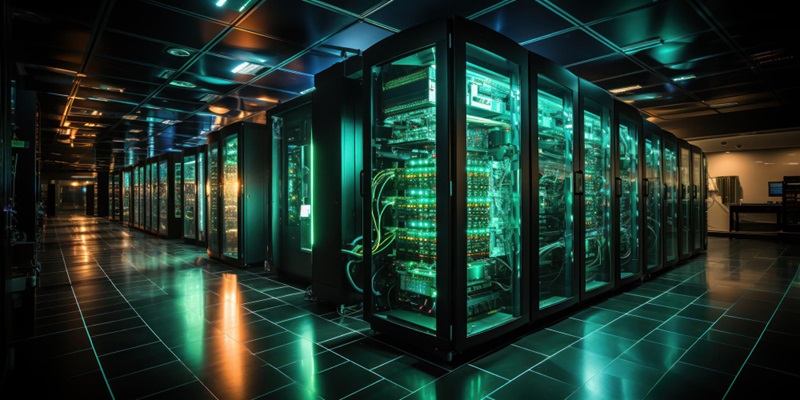
Schneider Electric is at the forefront of a significant transformation in the Philippine data center industry, steering it toward a more sustainable future. As digital infrastructure burgeons, with global data generation set to increase by 500% between 2019 and 2025, the energy demands of the data center sector have become an imperative issue to address. Currently, data centers alone are responsible for consuming 1% of the world’s electricity. Understanding the gravity of the situation, Schneider Electric is leveraging its industry prowess to advocate for and implement smart, energy-efficient solutions. In the Philippines, where the digital economy is soaring, the adoption of these green practices is not only conducive to environmental preservation but also crucial for the competitive edge of businesses.
Necessity of Sustainable Practices
The call for transition to greener solutions by Schneider Electric is driven by the need to create a robust industry capable of withstanding burgeoning demands. This emphasis was highlighted by Carlos Leviste, the company’s Business Development and Marketing Director in the Philippines, during the “Power Up: Fuel Your Path to Success” event. The gathering of industry players revealed a shifting trend toward energy management systems and digital tools, which are integral to boosting both operational efficiency and sustainability. The company’s digital solution offerings, like high-efficiency Uninterruptible Power Supplies (UPS), advanced cooling units, and comprehensive monitoring systems, have been designed to meet this end. With these technologies, data centers can not only optimize their performance but also significantly reduce their carbon footprint, embodying a modern approach that marries technological progress with ecological responsibility.
Advancements in Digital Solutions
Sara El Fanidi of Schneider Electric APAC highlighted the advantages of their cutting-edge solutions. These include reducing operational costs, meeting grid regulations, guarding against cyber threats, and facilitating preventative infrastructure maintenance. Schneider Electric’s innovations include oil-free magnetic bearing chillers that enhance refrigeration technology, cutting energy use and emissions. Their renewable Power & Grid offerings aim to deliver sustainable, efficient electricity to meet growing demands. These solutions, backed by new EcoXpert™ Partner Program certifications, showcase Schneider Electric’s dedication to data center sustainability. With a focus on digital transformation and integrated infrastructure, they’re setting new standards for data center reliability, efficiency, and resilience amidst technological advancements.