

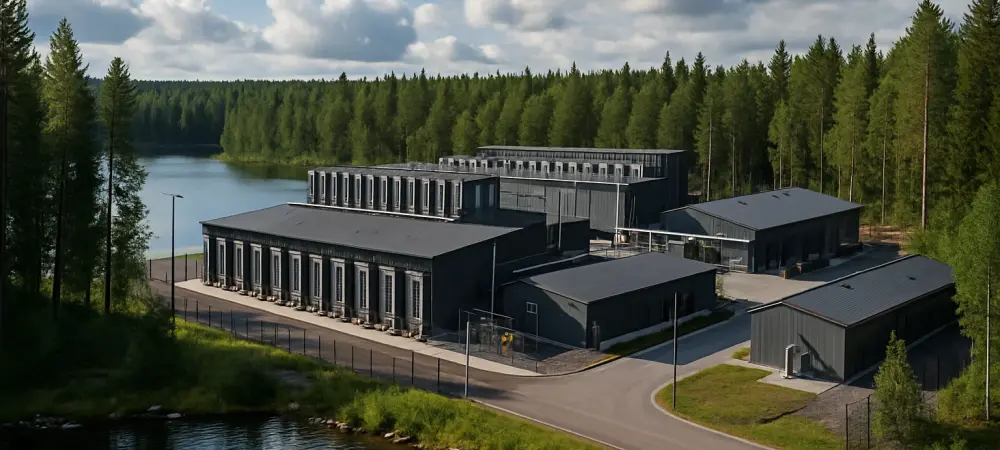
What happens when a tranquil Finnish town, nestled near the Russian border, becomes the unlikely epicenter of cutting-edge AI technology, transforming its quiet landscape into a hub of innovation? In Kitee, a small industrial hub in Eastern Finland’s North Karelia region, a digital revolution is unfolding. Scale42, a Nordic data center company, is spearheading an ambitious project to build a state-of-the-art AI data center by 2027, promising to redefine what a rural community can achieve in the global tech race. This development isn’t just about servers and circuits; it’s about showcasing the potential of smaller locales on the world stage.
The Significance of Kitee’s Digital Leap
This project represents more than a new facility; it’s a pivotal moment for Kitee and the broader Nordic region. As the demand for AI processing power and data storage surges—driven by cloud computing and machine learning—the world is looking to places like Finland for solutions. With its cool climate and access to clean energy, Kitee stands as a strategic choice for sustainable digital infrastructure. Scale42’s initiative could position this town as a model for how smaller communities can play a vital role in the tech-driven future, sparking economic growth and inspiring similar projects across Europe.
Why Kitee Stands Out in the Nordic Tech Boom
Finland has rapidly emerged as a hotspot for data centers, thanks to its stable infrastructure and renewable energy resources. While Helsinki often grabs the headlines with major players like Verne and Equinix, smaller towns are carving out their own space in this competitive landscape. Kitee, located in the North Karelia region, offers unique advantages: a scalable power supply, natural cooling options, and a supportive local government eager to embrace high-tech opportunities. This shift highlights a broader trend of decentralizing tech investments to revitalize rural economies.
Beyond geography, the timing couldn’t be more critical. Industry reports indicate that data center capacity in the Nordics is set to grow by over 30% in the next five years, fueled by AI’s insatiable energy needs. Kitee’s project aligns perfectly with this trajectory, positioning Finland not just as a participant but as a leader in sustainable tech solutions on the global stage. The town’s industrial heritage in the Puhos area also provides a ready-made foundation for such a transformative venture.
Scale42’s Blueprint for Transformation
At the heart of this initiative is Scale42’s detailed plan to develop a 10-hectare site in Puhos, a former industrial zone in Kitee. Construction is underway, with the goal of launching operations between 2027 and 2028. The facility boasts impressive specs: a power capacity ranging from 10MW to 200MW, natural water cooling systems, and potential connections for district heating, all designed to maximize energy efficiency. This isn’t just a data center; it’s a testament to how technology can harmonize with environmental responsibility.
Economically, the ripple effects are already being felt. The project is expected to create a range of jobs, from construction roles to high-skill positions in digital infrastructure, offering local youth a chance to build careers in a burgeoning field. Scale42’s broader Nordic ambitions, including a 60MW facility in Varkaus and a joint venture in Iceland, further underscore the company’s commitment to scaling innovation across the region, with a pipeline exceeding 1GW in capacity.
Voices from the Ground: Optimism and Challenges
Leadership on both sides radiates confidence about what this project means for Kitee. William Tasney, CEO of Scale42, emphasized the town’s strategic edge, noting, “Finland’s clean, reliable electricity is ideal for powering sustainable AI systems, and Kitee’s progressive mindset made this collaboration seamless.” This sentiment reflects a belief in the project’s potential to set a benchmark for green tech initiatives.
Kitee’s Mayor, Pekka Hirvonen, shares this enthusiasm, highlighting the community impact. “This development strengthens local pride and delivers real economic gains,” he stated, pointing to the promise of revitalization. However, not all data center projects in Finland have sailed smoothly—environmental concerns in places like Riihimäki, where a proposed site near a protected spring faces scrutiny, serve as a reminder that progress must be balanced with ecological stewardship. Kitee’s journey will likely need to navigate similar considerations to maintain its momentum.
Building a Sustainable Path Forward
The success of projects like Kitee’s hinges on strategic planning that prioritizes both innovation and responsibility. Leveraging Finland’s abundant clean energy resources is a cornerstone—reliable electricity and natural cooling can significantly reduce the carbon footprint of AI-driven data centers. Scale42’s design in Puhos exemplifies this approach, integrating sustainable features from the ground up to meet the immense power demands of modern technology.
Equally important is the partnership with local stakeholders. Kitee’s cooperative municipal stance ensures that the project aligns with community needs, setting a precedent for how towns can work with tech firms to mutual benefit. Additionally, focusing on skill development and job creation transforms data centers into catalysts for long-term economic growth, offering a blueprint for other Nordic regions looking to tap into the digital economy without sacrificing local values.
Reflecting on Kitee’s Digital Milestone
Looking back, Scale42’s venture in Kitee stood as a defining chapter in the town’s history, marking its transition from a quiet industrial area to a hub of technological promise. The collaboration between a forward-thinking company and a supportive community showcased what was possible when innovation met opportunity. The groundwork laid during this period became a foundation for economic and digital growth in the region.
As the project matured, it was clear that the next steps revolved around sustained commitment to sustainability and community engagement. Ensuring that environmental standards remained a priority, even as capacity expanded, was critical. Equally vital was the continued investment in local talent, equipping future generations with the skills to thrive in a tech-centric world. Kitee’s story offered a powerful lesson: small towns could indeed shape the global digital landscape with the right vision and partnerships.