

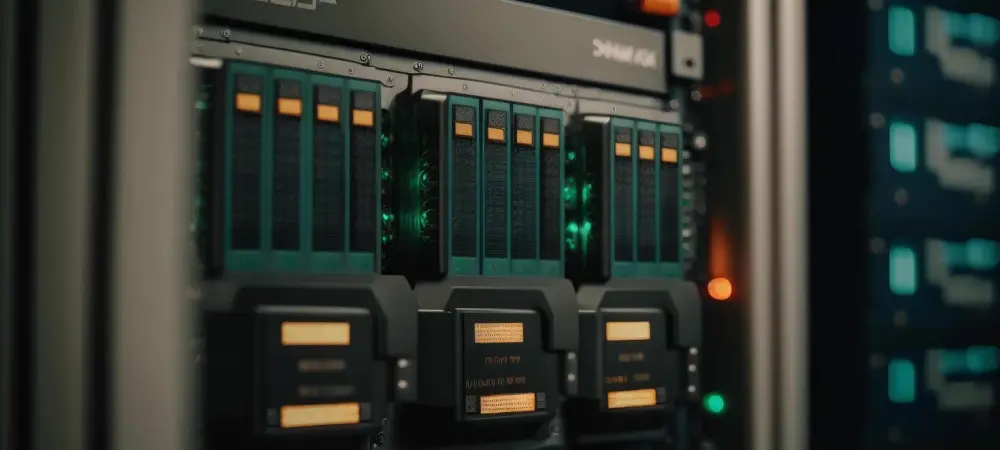
In a significant advancement, Saudi Arabia is emerging as a beacon of innovation in the realm of data center technologies. The Kingdom has embarked on a groundbreaking journey, shifting towards immersion-cooled data centers, a move that is capturing global attention. As global operations increasingly rely on data efficiency and sustainability, Saudi Arabia stands at the frontier of refining how data centers operate. What does this mean for the future of data centers worldwide?
Cutting-Edge Leadership in Data Center Technology
Saudi Arabia is not just playing catch-up; it’s taking strides to lead in the new wave of data center technology. Immersion cooling, a method where servers are submerged in non-conductive liquid, offers superior cooling compared to traditional air-cooling techniques. It’s establishing Saudi Arabia as a formidable contender in the tech race. With this unexpected shift, questions arise about the implications of these technologies for global data operations. Have we reached a pivotal moment redefining data infrastructure sustainability?
Pursuing Vision 2030’s Digital Ambitions
Vision 2030’s framework is redefining Saudi Arabia’s economic landscape, aiming to reduce oil dependency through significant investments in technology and digital transformation. Immersion-cooled data centers are integral to this strategy, demonstrating alignment with national goals for diversification. These actions echo a global trend toward digital empowerment and technological self-reliance, showcasing a future-ready Saudi Arabia embracing the world’s tech trends with vigor.
A Paradigm Shift: Embracing Immersion Cooling
The transition from traditional air-cooled to immersion-cooled data centers marks a paradigm shift. Air cooling, while widely used, often grapples with efficiency challenges. In contrast, immersion cooling offers enhanced operational efficiency, reduced energy consumption, and improved server reliability. In collaboration, ICS Arabia and XDS have announced a 10MW data center project in Riyadh, diversifying beyond the reliance on air cooling. Such innovation not only elevates technological standards within Saudi Arabia but also sets a benchmark for global data center efficiency.
Voices of Industry: Innovation and Collaboration
Executives from ICS Arabia and XDS highlight the transformative nature of immersion cooling. At industry forums, they have shared visions of an energy-efficient future powered by advanced cooling technologies. Research consensus underscores the significance of cooling solutions, emphasizing that the future of data centers lies in such innovative methodologies. As experts highlight Saudi Arabia’s progress, it becomes evident that the Kingdom is increasingly influencing global perspectives on data infrastructure.
Charting the Course for Future Developments
Saudi Arabia’s approach provides a strategic blueprint for other nations seeking to modernize their data center frameworks. Countries can adopt comprehensive strategies to retrofit existing structures, enhancing operational efficiency through emerging technologies. This initiative could potentially catalyze a global shift, with Saudi Arabia being the torchbearer of this transformation. The global data landscape awaits, as these innovative strides could prompt industry-wide adoption, driving the future towards heightened sustainability and efficiency.
Looking back, Saudi Arabia was not just following, but actively crafting a path forward in digital innovation. These efforts contributed to aligning economic goals with technological progress, paving the way for sustainable advancements in data management. As the world watched, this initiative was not merely a local triumph but a global benchmark influencing how countries approached future developments in technology.