

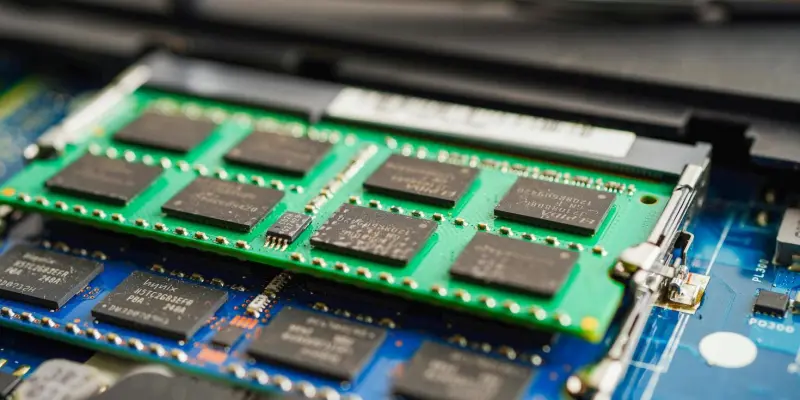
In the fast-evolving memory industry, Samsung is making significant efforts with its HBM4 memory process to regain momentum amidst intense competition. The company has initiated the development and sampling of this advanced memory solution, targeting delivery to major clients like NVIDIA, Google, and Broadcom by the first half of 2026. This strategic move is especially critical as competitors such as SK Hynix and Micron have already made strides in the high-bandwidth memory (HBM) segment. SK Hynix, for instance, has showcased its HBM4 solution, while Micron plans to roll out its offerings by the end of this year. Samsung faces the challenging task of not only catching up with these rivals but also surpassing them in terms of innovation and reliability, critical factors that will determine the acceptance and success of its HBM4 product in the market.
Advanced Technology and Strategic Alliances
Samsung’s HBM4 technology incorporates advanced logic and semiconductor dies, leveraging its proprietary 4nm process and sixth-generation 1c DRAM. This positions the company competitively on paper, especially as the industry increasingly demands higher performance and efficiency standards. Engaging with tech giants such as NVIDIA, Google, and Broadcom is part of Samsung’s strategy to ensure a robust entry into the HBM4 segment. These alliances are designed to bolster confidence in Samsung’s capabilities, despite past setbacks with its HBM3 offering. In particular, Samsung’s prior issues with execution and reliability have led to skepticism within the industry, underscored by Google’s cancellation of HBM3E orders due to qualification issues with NVIDIA. In contrast, a successful rollout of the HBM4 technology, meeting stringent industry requirements, could prove transformative for Samsung’s position in the advanced memory landscape.
Challenges and Future Prospects
Samsung’s entry into the HBM4 technology sector presents significant challenges. Leaders SK Hynix and Micron have already set high standards, boasting a robust market presence and customer loyalty. Samsung’s previous difficulties with HBM3 continue to linger, casting doubt on its ability to consistently provide reliable, high-performing products. This doubt isn’t entirely unfounded, given modern tech companies’ stringent expectations, where any margin for error could prove critical. Thus, Samsung faces the dual challenge of delivering a compelling product while also reestablishing trust and credibility. Success in this endeavor could mark a significant milestone, potentially revitalizing Samsung’s memory business and fueling future innovations. Conversely, failure to align with industry standards or satisfy client expectations could further entrench Samsung in its historic struggles, forcing a reconsideration of its strategies and technological focus within this fiercely competitive sector.