

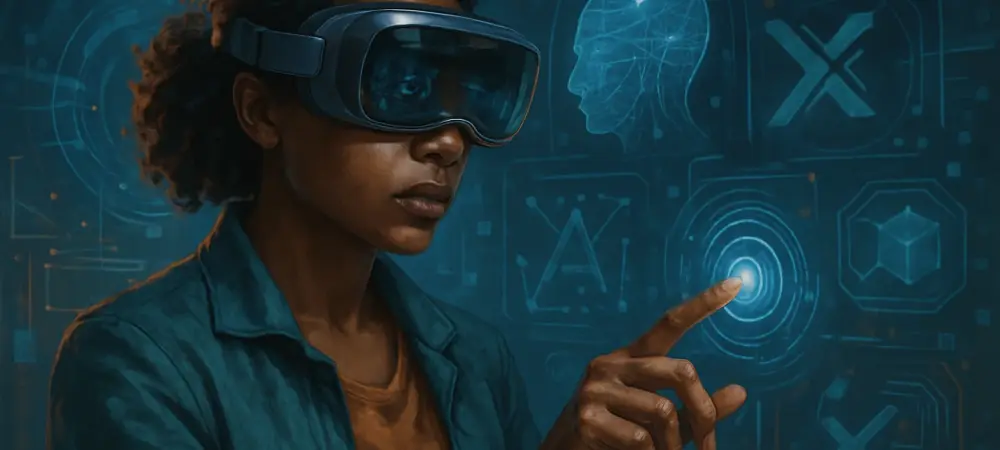
I’m thrilled to sit down with Dominic Jainy, a seasoned IT professional whose deep expertise in artificial intelligence, machine learning, and blockchain has positioned him as a thought leader in the tech world. With a passion for exploring how these cutting-edge technologies transform industries, Dominic offers unique insights into the latest innovations. In our conversation, we dive into the exciting reveal of a new mixed reality headset, the potential of AI-driven web design, the intersection of AR and military applications, and the broader implications of AI in marketing and creative storytelling.
How do you see the new Samsung Galaxy XR headset carving out its place in the mixed reality market?
The Galaxy XR headset is poised to make a significant impact due to its unique positioning as a fully occluded mixed reality device built on Android, which opens up a wide ecosystem of apps and compatibility. What’s particularly exciting is the collaboration with industry giants like Google and Qualcomm, which likely means seamless integration with existing platforms and top-tier hardware performance. I think its focus on Lattice-style multimodal AI could redefine user interaction by enabling more intuitive, context-aware experiences—think voice, gesture, and visual inputs working together. It’s a bold step toward making MR more accessible and versatile compared to some of the niche or gaming-focused headsets out there.
What are your thoughts on what Samsung might unveil about pricing and availability at their World Wide Open event?
I’m expecting Samsung to position the Galaxy XR as a premium yet competitive offering, likely in the mid-to-high price range to reflect its advanced features while still undercutting some of the pricier competitors. The $100 credit for reservations on their site suggests they’re incentivizing early adopters, so we might see a ship window announced soon after the event, possibly late this year or early next. I wouldn’t be surprised if they roll out bundles or special offers to sweeten the deal for early buyers, especially to build momentum in a crowded market.
Can you break down what Lattice-style multimodal AI means for users of the Galaxy XR?
Essentially, Lattice-style multimodal AI refers to a system that processes multiple types of input—like voice, visuals, and gestures—simultaneously to create a more natural and responsive user experience. For Galaxy XR users, this could mean interacting with the headset in ways that feel almost second nature, such as asking questions, pointing at objects in the virtual space, or even having the device anticipate needs based on context. It’s a game-changer for applications ranging from productivity to entertainment, potentially powering immersive apps that adapt to how you engage with them.
Shifting gears to AI in web design, how does a tool like Flint’s autonomous website builder work for someone without a tech background?
Flint’s technology is fascinating because it lowers the barrier to entry for creating professional websites. For a non-tech-savvy user, it’s as simple as providing a URL of a site you like or describing basic design preferences. From there, Flint’s AI takes over, generating fully coded, responsive pages complete with analytics and ad integrations. The user doesn’t need to touch code or understand design principles—the AI handles layout, optimization, and testing. It’s like having a personal web developer, but faster and more affordable.
How does Flint manage to replicate a website’s design language so quickly, often in just a day?
Flint likely uses advanced machine learning algorithms to analyze the visual and structural elements of an existing site—things like color schemes, typography, and layout patterns. By breaking down these components into a ‘design language,’ the AI can apply them to new pages almost instantly. Speed comes from pre-trained models and automation, though I imagine challenges like handling highly custom or unconventional designs required significant fine-tuning. There might be limits with extremely complex or niche websites, but for most standard business or portfolio sites, it’s remarkably effective.
Looking at Flint’s vision for dynamic personalization, how do you think this will shape the future of web design?
Dynamic personalization means websites that adapt in real-time to user behavior, preferences, or even current trends. Imagine a site that changes its layout or content based on who’s viewing it—offering tailored experiences for each visitor. For businesses, this could revolutionize customer engagement by making every interaction feel bespoke. Flint’s ultimate goal of self-improving web performance through AI suggests a future where sites don’t just adapt but also optimize themselves continuously, reducing the need for human intervention and driving better results.
Turning to military tech, how does Anduril’s EagleEye mixed-reality helmet differ from consumer XR devices?
EagleEye is a completely different beast compared to consumer XR gear. While devices like VR headsets prioritize entertainment or gaming with flashy visuals, EagleEye is engineered for battlefield use, focusing on durability, low latency, and security. It’s built to withstand harsh conditions and protect sensitive data, unlike consumer-grade hardware. Features like real-time sensor integration and 3D mapping via cameras and LiDAR are tailored for situational awareness, making it a combat tool rather than a toy.
Can you paint a picture of what a soldier experiences when using the EagleEye helmet?
Through EagleEye, a soldier sees a unified, augmented view of the battlefield that blends live video from their surroundings with data overlays like drone feeds and tactical maps. Imagine looking through the visor and seeing enemy positions highlighted, terrain mapped in 3D, and real-time updates streaming in—all without taking your eyes off the environment. It’s powered by a system that integrates these inputs seamlessly, so the soldier can make split-second decisions with enhanced clarity and context, almost like having a command center in their field of vision.
Lastly, what is your forecast for the role of AI and mixed reality in transforming industries over the next decade?
I believe AI and mixed reality will become deeply intertwined, acting as catalysts for transformation across sectors. In industries like healthcare, education, and defense, MR can create immersive training environments or real-time decision-making tools, while AI personalizes and optimizes those experiences. We’re also likely to see AI-driven automation, like what Flint is doing for web design, expand into other creative and technical fields, making complex tasks accessible to everyone. The next ten years will be about bridging the physical and digital worlds in ways that feel intuitive, with privacy and ethical considerations playing a huge role in how these technologies evolve.