

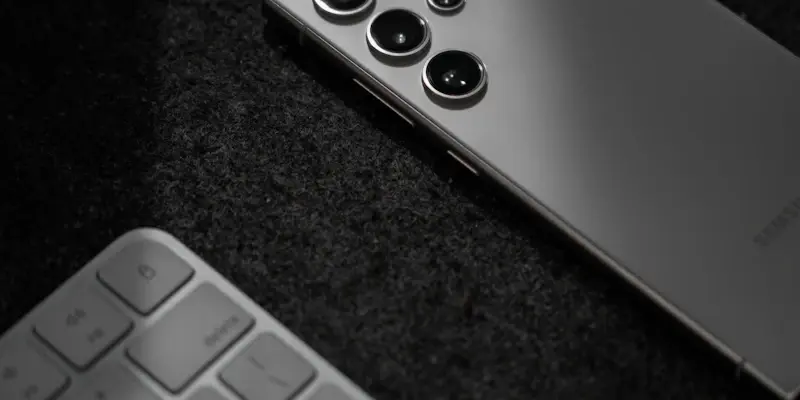
The advancements in artificial intelligence (AI) tools have been remarkable, particularly in the realm of image editing on smartphones. With each passing year, developers push the boundaries to deliver near-perfect tools that can cater to consumer needs. The journey of AI-powered Object Eraser tools has seen significant milestones, culminating in the impressive capabilities of Samsung’s Galaxy S25 Ultra. This article delves into the evolution of these tools, highlighting the transformative potential and the technological strides made by Samsung.
The Promise of AI-Powered Image Editing
In 2017, during Google’s I/O developer conference, a groundbreaking demonstration captured the audience’s imagination by removing a chain link fence from a photo. This futuristic concept set high expectations for what future image editing technology could achieve. For tech enthusiasts and casual users alike, the anticipation to experience such seamless edits grew immensely. However, despite the initial excitement, the reality was that such technology remained elusive for several years.
When Google launched the Magic Eraser with its Pixel series in 2021, it ushered in a wave of anticipation and excitement among users. This tool was supposed to be the realization of the 2017 promise. Yet, while the Magic Eraser made notable progress in removing objects from photos, it still fell short of achieving the unblemished, seamless experience showcased years earlier. Users were left impressed but still yearning for that perfect tool that could transform their images flawlessly.
Incremental Progress and Persistent Challenges
Over the ensuing years, several smartphone manufacturers took on the challenge of developing their versions of eraser tools. Each new release brought incremental progress, adding features or refining existing ones. However, none fully met the high expectations set by Google’s initial demonstration in 2017. While innovation and progress were evident in each iteration, the tools often struggled with complex backgrounds or intricate details, leaving users with a mix of satisfaction and slight disappointment.
Despite these ongoing challenges, the tech community couldn’t ignore the remarkable strides being made in AI technology. The continuous dedication of tech companies to refine their AI tools indicated a clear trend: the aspiration to close the gap between ambitious promises and practical reality. Developers worked tirelessly to overcome limitations, pushing the boundaries of what AI could achieve in smartphone image editing. Though the journey was marked by incremental steps and occasional setbacks, the vision of flawless, AI-powered image editing remained an unwavering goal.
Samsung’s Breakthrough with the Galaxy S25 Ultra
A significant turning point in the evolution of AI-powered image editing tools came with the launch of Samsung’s Galaxy S25 Ultra. The flagship device introduced an enhanced version of the Object Eraser tool, one that boasted remarkable efficacy and performance. Though not heavily spotlighted during the launch event, this tool quickly garnered attention for its impressive capabilities. Samsung’s AI had undergone substantial enhancements since its introduction on the Galaxy S21 Ultra in 2021.
The Object Eraser tool in the Galaxy S25 Ultra demonstrated superior performance in removing unwanted elements from photos. It didn’t merely erase objects but also filled in the background with intelligent, context-aware details. This marked a significant improvement over similar tools from other manufacturers, including Google’s Magic Eraser. The ability to handle complex scenes and seamlessly integrate missing details showcased Samsung’s dedication to refining their technology and delivering a practical, high-performing solution for consumers.
Real-World Testing and Impressive Results
The true test of any AI-powered tool lies in its performance under real-world conditions. Samsung’s Galaxy S25 Ultra’s Object Eraser tool was put to the test in a variety of challenging scenarios. During a crowded post-launch demo event, the tool faced diverse lighting conditions and intricate background textures. Despite these hurdles, it consistently delivered impressive results. It accurately removed people and objects from photos and seamlessly filled the gaps with realistic background details.
This real-world testing highlighted the significant advancements made by Samsung. The Galaxy S25 Ultra’s Object Eraser tool showcased not only the impressive capabilities of AI technology but also Samsung’s commitment to delivering refined and practical tools. Users could finally experience the level of seamless image editing that had been promised years ago. These results set a new benchmark for AI-powered image editing tools, demonstrating the transformative potential of AI when applied with precision and innovation.
The Evolution of AI Technology in Smartphones
The overarching trend throughout these narratives is the remarkable advancement of AI technology and its seamless integration into smartphone functionalities. As various tech companies raced to develop and refine their AI tools, each new iteration brought them closer to realizing their aspirational goals. Samsung’s dedicated efforts to enhance their Object Eraser tool, as evidenced by the impressive results on the Galaxy S25 Ultra, indicate a clear trend of continuous improvement. This commitment reflects the broader industry trend towards achieving practical and high-performing AI tools in consumer technology.
The significant strides made by Samsung highlight the transformative potential of AI technology. What started as a tantalizing glimpse during a developer conference has evolved into a reality where consumers can benefit from advanced, intelligent tools. This journey from aspiration to realization exemplifies the power of innovation and the importance of relentless refinement. AI-powered tools have gone from theoretical demonstrations to practical applications that enhance everyday experiences—setting the stage for even more sophisticated advancements in the future.
A Journey of Anticipation and Realization
The advancements in artificial intelligence (AI) tools have been genuinely remarkable, particularly when it comes to image editing on smartphones. Over the years, developers have consistently pushed the envelope, striving to offer nearly flawless tools designed to meet consumer needs. One of the most notable advancements has been in AI-powered Object Eraser tools, which have seen significant milestones. The Samsung Galaxy S25 Ultra exemplifies this progress, showcasing some of the most impressive capabilities in the market today.
This article delves into the evolution of AI-powered image editing tools, underscoring the transformative impact they have had and the impressive technological strides made by Samsung. These tools have revolutionized the way users interact with their photos, making it easier than ever to achieve professional-quality edits right from their smartphones. With the Samsung Galaxy S25 Ultra, users can effortlessly remove unwanted objects from their images, thanks to advanced AI algorithms. This leap in technology not only enhances user experience but also sets a new standard for what is possible in mobile image editing.