

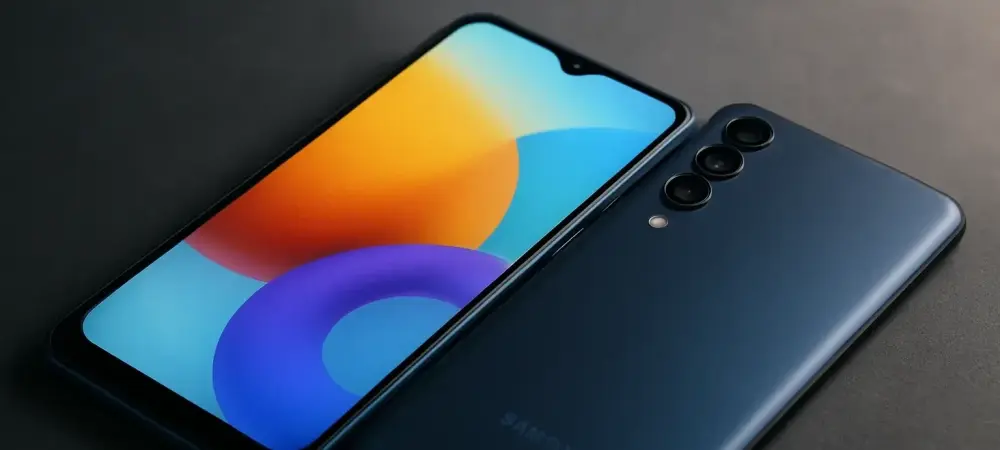
The rapid democratization of 5G connectivity continues to reshape the budget smartphone landscape, and all eyes are now on Samsung as compelling evidence suggests the company is preparing to unveil its next major contender in this arena. Following the successful release of the Galaxy A07 4G in select markets last October, a series of regulatory filings and official website updates strongly indicate that a 5G-enabled variant is not just in development but is on the cusp of a global launch. This move would further solidify Samsung’s strategy of bringing next-generation network speeds to its most affordable device tiers, a critical effort in capturing market share among cost-conscious consumers. The convergence of these clues points toward an imminent announcement, potentially positioning the Galaxy A07 5G as one of the first significant budget smartphone releases of the year, setting a new baseline for what users can expect from an entry-level device. The timing and nature of these developments suggest a carefully planned rollout designed to maximize impact ahead of the company’s major flagship event.
Regulatory Hurdles Cleared
The most concrete evidence signaling the device’s impending arrival comes from its appearance on the Bluetooth Special Interest Group (SIG) certification website, a mandatory step for any product incorporating Bluetooth technology. An unannounced Samsung smartphone was recently listed with the model numbers SM-A076B/DS, SM-A076M/DS, and SM-A076M, which are widely believed to correspond directly to the Galaxy A07 5G and its regional variants. Such listings are typically among the final regulatory hurdles a device must clear before being released to the public. Further intrigue was added by the same certification document, which hinted at the existence of two other closely related budget devices: the Galaxy M07 5G (SM-M076B/DS) and the Galaxy F07 5G (SM-E076B/DS). This suggests a broader strategy where Samsung will leverage a core hardware platform to create distinct models for different markets and sales channels, with the M and F series often being tailored for online retailers in specific regions. The successful navigation of this certification process confirms that the hardware is finalized and ready for mass production.
Setting the Stage for Release
Beyond third-party regulatory approvals, Samsung itself has begun laying the groundwork for the phone’s debut, further cementing the likelihood of a near-term launch. Official support pages for the Galaxy A07 5G have quietly gone live on several of Samsung’s regional websites, including those serving the United States, Spain, and New Zealand. The creation of these web pages is a standard pre-launch procedure, ensuring that product information and customer support infrastructure are in place the moment the device is officially announced. This aligns perfectly with a recent leak that pinpointed the launch window to either late this month or early January, strategically placing it just before the highly anticipated Galaxy Unpacked 2026 event. For context, the new 5G model was expected to build upon the foundation of its 4G sibling, which featured a large 6.7-inch HD+ display with a smooth 90Hz refresh rate, a capable MediaTek Helio G99 chipset, and a robust 5,000mAh battery supported by 25W fast charging. The 4G variant also included a 50MP main camera, a 2MP depth sensor, and an IP54 rating for dust and water resistance, all of which established a strong baseline for its successor.