

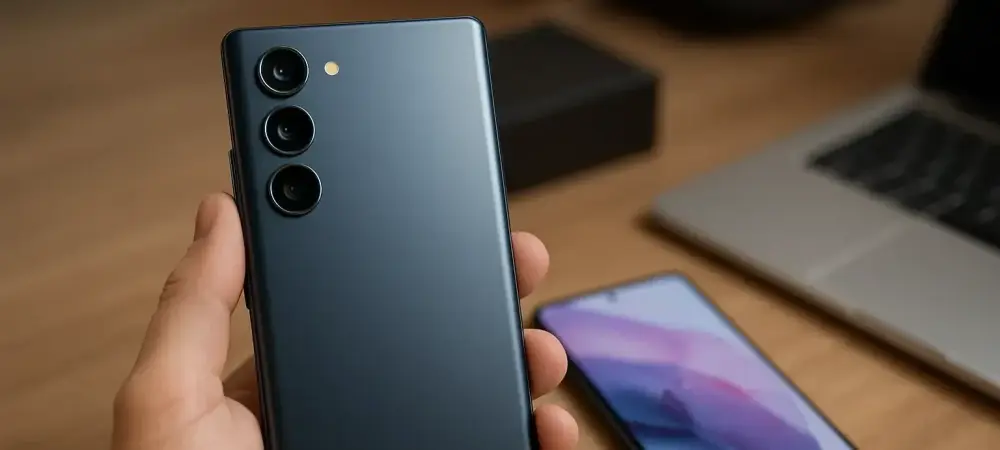
In a striking move designed to fortify its position in a fiercely competitive smartphone market, recently revealed information from industry insiders suggests Samsung is holding the line on pricing for its entire flagship lineup. This strategic decision comes at a time when rivals may be forced to pass rising component costs, particularly from an ongoing RAM shortage, onto consumers. By maintaining the same price points as the previous year’s models, the company appears to be prioritizing sales volume and market share stability, betting that tangible hardware upgrades will be enough to attract and retain customers without demanding more from their wallets. This approach encompasses the highly anticipated Galaxy S26 series as well as the next generation of foldable devices, the Galaxy Z Fold 8 and Galaxy Z Flip 8. The strategy signals a confident, aggressive posture, aiming to deliver enhanced value and counter any potential price hikes from competitors, thereby safeguarding its profitability and leadership in the premium segment.
The Galaxy S26 Series Unpacked
Following its traditional release schedule, Samsung is set to unveil the Galaxy S26 series at a launch event in San Francisco on February 25, with the devices expected to hit retail shelves in March. The most notable upgrade for the entry-level flagship, the standard Galaxy S26, centers on battery life—a critical factor for many users. Leaked specifications point to the inclusion of a 4,300mAh battery, a significant 300mAh increase over its predecessor’s 4,000mAh cell. This enhancement promises to extend daily usage and address a common pain point for consumers who rely heavily on their devices. While seemingly an incremental change, boosting the battery capacity of the most accessible model in the flagship range is a clear indicator of Samsung’s focus on practical, user-centric improvements. This move is poised to make the base S26 a more compelling option for those seeking a premium experience without opting for the larger, more expensive models in the lineup, reinforcing the value proposition at its core.
Further up the product stack, the Galaxy S26+ and S26 Ultra are also poised to receive meaningful updates, particularly in their processing and imaging capabilities. The Galaxy S26+ is slated to get a significant camera boost with new support for “3x zoom HDR shooting,” an advancement that should deliver richer, more dynamic telephoto images with better handling of light and shadow. In keeping with its established dual-chipset strategy, Samsung will power the top-tier S26 Ultra exclusively with the powerful Snapdragon 8 Elite Gen 5 SoC across all global markets, ensuring consistent peak performance. Meanwhile, the standard S26 and S26+ models will feature a regional split, shipping with either the same Snapdragon chip or Samsung’s own new Exynos 2600 processor. This long-standing approach allows the company to manage its supply chain effectively while tailoring performance characteristics to different market demands, continuing a practice that has defined its flagship releases for years.
A New Era for Foldables
The next generation of Samsung’s foldable smartphones is expected to follow the company’s typical July launch timeline, with both the Galaxy Z Fold 8 and Galaxy Z Flip 8 undergoing substantial physical refinements. A primary focus for this year’s foldables is a significant reduction in weight and bulk, addressing one of the most persistent criticisms of the form factor. The larger Galaxy Z Fold 8 is reportedly engineered to weigh approximately 200 grams, a notable 15-gram decrease from the Z Fold 7. This refinement brings it closer in weight to traditional flagship slab phones, enhancing its portability and in-hand comfort. In a remarkable feat of engineering, this weight loss is accompanied by a major battery upgrade; the device is rumored to house a massive 5,000mAh battery, a substantial increase that promises to finally deliver all-day endurance and eliminate battery anxiety for power users who are drawn to its large, immersive screen for productivity and media consumption.
The pursuit of a lighter and more refined user experience is even more pronounced in the upcoming Galaxy Z Flip 8. According to reports, the new clamshell foldable will tip the scales at an astonishingly light 150 grams. This represents a massive 38-gram reduction compared to its predecessor, a change that will be immediately noticeable and will drastically improve its pocketability. Such a significant weight reduction could position the Z Flip 8 as one of the most portable and comfortable premium smartphones available, making it an even more attractive option for users who prioritize convenience and a compact form factor. By focusing on these fundamental aspects of design and usability across both foldable lines, Samsung is demonstrating a clear commitment to maturing the category and making the unique benefits of foldable technology more accessible and practical for a broader audience, all while adhering to its price-hold strategy.
A Calculated Defense of Market Dominance
Ultimately, Samsung’s approach to its flagship lineup was a masterfully executed defense of its market leadership. By introducing meaningful hardware advancements—from larger batteries and lighter designs to enhanced camera systems—the company delivered tangible value that resonated with consumers. The decision to absorb rising component costs and maintain stable pricing proved to be a critical differentiator. This strategy placed immense pressure on competitors, who were left to choose between compromising their margins or risking consumer backlash with price increases. The launch of the S26 series and the refined Z Fold 8 and Z Flip 8 was not merely a product refresh; it was a strategic market maneuver that solidified Samsung’s position, ensuring its devices remained highly competitive and appealing in a challenging economic climate. This calculated balance of innovation and accessibility underscored the company’s deep understanding of market dynamics and its commitment to long-term growth.