

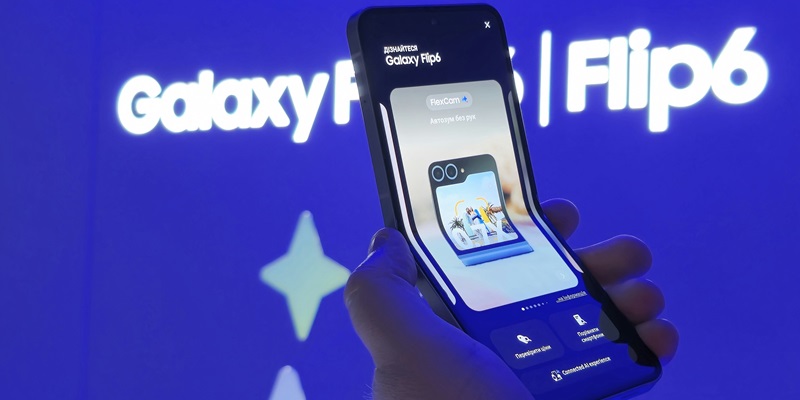
The technology world is abuzz with new leaks about Samsung’s highly anticipated ultra-premium smartphones set for release in 2025. These upcoming devices include the Galaxy S25 Slim, which is a sleeker and thinner variant of the main Galaxy S25 series, and the yet-to-be-confirmed Galaxy Z Flip FE. According to the leaks, the Galaxy S25 Slim is slated for an April 2025 launch, positioning itself as a direct competitor to Apple’s iPhone 17 Slim, which is expected to hit the market earlier in January. By releasing the S25 Slim a few months later, Samsung aims to capture the attention of consumers looking for an alternative thin, high-performance smartphone.
In addition to the Galaxy S25 Slim, rumors are swirling about the next-generation foldable devices Samsung is preparing. These include the Galaxy Z Flip7, Galaxy Z Fold7, and an Ultra variant dubbed the Galaxy Z Fold7 Ultra. These advanced foldables, said to be developed under the codenames B7, Q7, and Q7M respectively, are expected to feature significant technological advancements. Reports also suggest these models will have Chinese market-specific iterations called the W26 and W26 Flip. While there’s speculation that the Galaxy Z Flip FE might be a high-production model, detailed information about its release timeline remains vague. Historically, Samsung’s Fan Edition (FE) models have been subjects of much speculation, frequently without concrete follow-through.
Samsung’s Strategy and Market Competition
The tech world is buzzing with new leaks about Samsung’s ultra-premium smartphones slated for a 2025 release. These upcoming models include the Galaxy S25 Slim, a sleeker and thinner version of the Galaxy S25 series, and the tentative Galaxy Z Flip FE. Leaks suggest the Galaxy S25 Slim will launch in April 2025, directly competing with Apple’s iPhone 17 Slim, which is set for a January release. By introducing the S25 Slim later, Samsung aims to attract consumers seeking an alternative slim, high-performance smartphone.
Alongside the Galaxy S25 Slim, there are rumors about next-gen foldable devices from Samsung, including the Galaxy Z Flip7, Galaxy Z Fold7, and an Ultra variant called the Galaxy Z Fold7 Ultra. These foldables, known internally as B7, Q7, and Q7M, are projected to include significant technological advancements. Reports also indicate that Chinese market-specific versions, the W26 and W26 Flip, are in the works. Though speculation surrounds the Galaxy Z Flip FE as a potential high-production model, its release details remain uncertain. Historically, Samsung’s Fan Edition (FE) models have been shrouded in speculation, often without concrete information.