

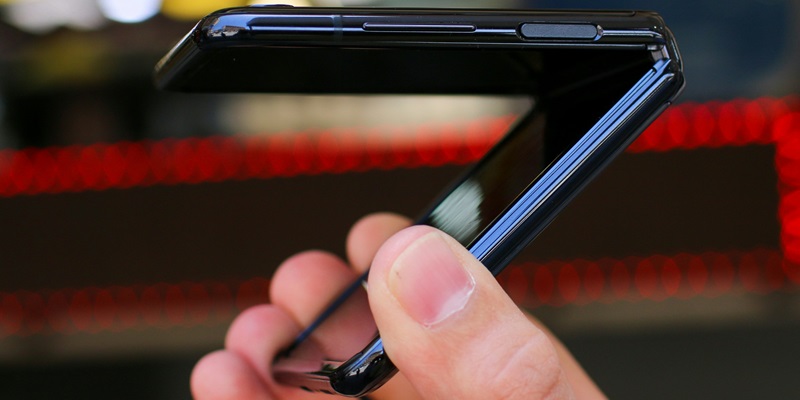
The upcoming Samsung Z Flip 6 is generating excitement with anticipated upgrades, including a slightly thicker profile, up from 6.9mm in the Z Flip 5 to 7.4mm. This isn’t just a cosmetic change; it paves the way for a notable increase in battery capacity. The Z Flip 5’s battery life, while adequate, left some users wanting more, and it appears Samsung has taken this feedback to heart. Reports suggest that the Z Flip 6 will feature a 4,000mAh battery, a considerable boost from the previous model’s 3,700mAh. This enhancement addresses one of the most common critiques faced by the Z Flip 5, offering users a much-needed improvement in battery longevity. The tech community is abuzz with the potential of a more robust foldable smartphone experience stemming from these changes in the Z Flip 6 design.
Camera and Color Variants
Speculation around the Samsung Z Flip 6 hints at a potential camera upgrade from the existing dual 12-megapixel configuration seen in the Z Flip 5 to a more powerful 50-megapixel primary shooter. If true, this enhancement would significantly boost the phone’s photographic capabilities, placing it on par with other high-resolution counterparts in the market. Such a leap in camera specs could offer users enhanced image quality, with greater detail and color accuracy. Nonetheless, it’s important to emphasize that these rumors have yet to be confirmed, and the actual implementation of a 50-megapixel camera in the upcoming model is still uncertain. Should Samsung proceed with this upgrade, it would underline their dedication to providing consumers with top-tier visual experiences in their flagship folding smartphone line. The addition of a high-resolution camera would be a strategic move to cater to photography enthusiasts seeking advanced features in a compact form factor.
Color and Aesthetic Appeal
Details about AI features in the forthcoming Samsung Z Flip 6 are sparse, leaving much to speculation. However, it is plausible that it could inherit AI advancements from the Galaxy S24 or even introduce novel AI capabilities exclusive to the Z Flip line. The potential for fresh AI-driven enhancements in the Z Flip 6 is high, fostering anticipation among tech enthusiasts.
These AI integrations could revolutionize user experience, bringing smarter, more tailored functionalities to the foldable device. For instance, the Z Flip 6 might benefit from improved AI that refines photo quality with superior subject and scene recognition, or it might utilize machine learning to intuitively adapt power usage to a user’s habits, prolonging battery life.
As the release window approaches, the tech community eagerly awaits confirmation of these AI features. Such advancements promise to not only elevate the Z Flip 6 but also to showcase Samsung’s commitment to pioneering smarter, more responsive mobile technology through AI innovation.
What We Might Expect from Z Flip 6 Software
While specifics on the Z Flip 6’s software updates are limited, expectations align with Samsung’s history of consistent enhancement across their devices. Anticipated updates include smoother animations, superior multitasking abilities, and a user interface designed to leverage the distinctive foldable nature of the Z Flip series. Samsung’s steadfast focus on syncing software optimization with hardware developments ensures the device remains at the forefront of foldable innovation. This commitment to a seamless interaction experience means users will likely enjoy an interface that feels responsive and tailored to the unique capabilities of the foldable screen. Thus, the Z Flip 6, like its predecessors, stands to offer a blend of style and functionality, reflecting Samsung’s vision for the future of mobile technology.