

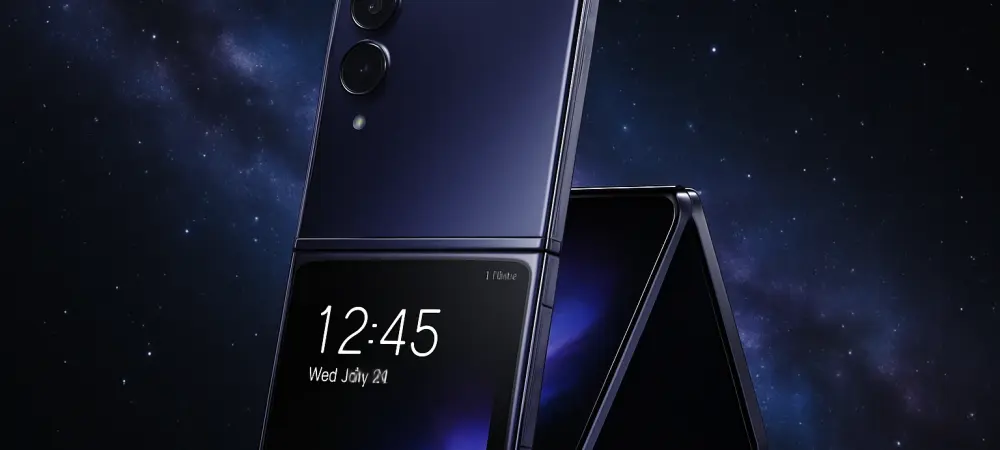
The introduction of Samsung’s Galaxy Z Flip 7 cases is generating a buzz in the smartphone accessory market. As technology advances, the demand for stylish yet functional cases has reached new heights. Samsung’s innovative approach with their latest offerings addresses these growing consumer needs, combining cutting-edge technology with design aesthetics. At the center of this development is the integration of Qi2 compatibility and magnetic attractions—a feature drawing significant attention. This roundup explores opinions and insights from experts on this pivotal release, shedding light on the broader implications for smartphone accessory designs.
The Demand for Innovation and Qi2 Integration
Industry analysts emphasize the necessity of innovation in smartphone accessories, especially with foldable phones like the Galaxy Z Flip 7. The advent of foldable phones has transformed the landscape, prompting a reevaluation of standard case designs. Samsung’s introduction of Qi2-compatible cases marks a leap forward, as many believe these advancements not only cater to current technological trends but also set a precedent for future developments. By addressing compatibility with popular wireless charging standards, these cases promise improved user experiences and broaden the functionality of modern smartphones.
In-depth discussions reveal varied opinions on the potential of Qi2 technology. Many suggest it enhances wireless charging efficiency, offering significant benefits for users plagued by the limitations of previous standards. However, some experts caution against overlooking the challenges associated with its implementation. While Qi2 promises faster charging, skeptics point to compatibility issues with older devices, suggesting that widespread adoption may face hurdles. Overall, the dialogue encapsulates both optimism and pragmatism in the pursuit of technological advancement.
Design Aesthetics and Customization
Stylish design is a cornerstone of contemporary smartphone cases, and Samsung’s offerings are no exception. Experts note that while functionality remains important, the visual appeal and personalization options set these cases apart. Samsung’s cases incorporate elegant customization, available in various colors and materials, which resonate with consumers seeking individual expression. The fusion of aesthetics and protection reflects a broader trend in consumer behavior toward personalized technology solutions.
The intersection of style and functionality drives consumer preferences and challenges designers to innovate continuously. Modularity in case design allows for enhanced consumer engagement, evidenced by Samsung’s use of premium materials in their faux leather offerings. Critics have highlighted the importance of this balance, warning that cases overly focused on appearance can compromise protection. Nevertheless, Samsung appears to have struck this balance, drawing praise for integrating creativity with practical utility.
Global and Technological Influences
Samsung’s case designs reflect a keen understanding of global market dynamics and technological advancements. Experts agree that regional consumer preferences significantly influence design choices, with differing priorities observed across various cultures. The integration of magnetic charging technologies in Samsung’s cases exemplifies a well-calibrated strategy to address these diverse market demands. By incorporating features that align with global charging standards, Samsung enhances the probability of widespread acceptance.
The implications extend further, prompting discussion about the impact on non-magnetic phones. While Qi2 compatibility remains a major achievement, questions persist about its adaptability across devices lacking magnetic charging capabilities. This discourse invites speculation on potential innovations to bridge the gap, enabling feature inclusivity to define future accessory trends. Analysts argue that the inability to incorporate these technologies might hold back some devices, urging manufacturers to pursue more integrated approaches.
Material Excellence and Market Comparisons
In the competitive sphere of smartphone accessories, the quality of materials often sets manufacturers apart. Samsung’s focus on using premium components serves as a key differentiator, reflecting the brand’s commitment to excellence. Comparisons with competitors show a divided emphasis on craftsmanship among market leaders, with Samsung’s strategic use of high-quality materials being a focal point of numerous reviews. Looking toward the broader accessory market, Samsung positions itself advantageously, prioritizing both design and durability. Industry experts anticipate a shift where brands striving for innovation will follow Samsung’s lead, increasingly prioritizing material excellence and advanced technological integration. This trend suggests a future where product longevity and sustainability take precedence, offering consumers better value over time.
The Road Ahead for Smartphone Accessories
Samsung’s foray into the Galaxy Z Flip 7 cases embodies a synthesis of technological advancement and design sophistication. Experts collectively acknowledge the impact of key innovations, such as Qi2 compatibility and aesthetic versatility, on evolving consumer expectations. These cases demonstrate thoughtful integration of modern technology with user-centric design, raising the bar for the smartphone accessory market.
Strategies for maximizing the benefit from such cases emphasize gaining a thorough understanding of protection needs without sacrificing style. Experts suggest users consider features that harmonize with their daily lifestyle requirements, ensuring both device safety and convenience. Furthermore, !=the adaptation of such innovations presents opportunities for enriching user interactions and elevating device functionality. ==
As technology and fashion converge, the future of smartphone accessories displays promising trajectories. The legacy of Samsung’s Qi2-compatible offerings lies in its potential to inspire subsequent innovations, pushing boundaries in both technical capacity and creative expression. For many industry stakeholders,==this evolution represents a journey of continuous improvement, solidifying the role of accessories in the ever-expanding landscape of mobile technology. == Future readers are encouraged to delve deeper into the evolving dynamics of technology-driven design, recognizing the limitless possibilities at this intersection.