

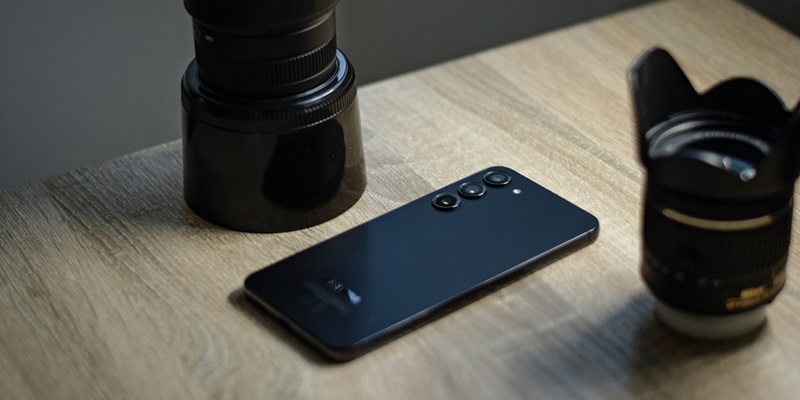
Samsung is strategically positioning the Galaxy A35 in the competitive mid-range smartphone market, targeting consumers who prioritize both functionality and affordability. The A35 is designed to meet the needs of price-sensitive users without compromising on the modern features expected of today’s smartphones. It is part of a larger goal by Samsung to establish a solid foothold in this segment, offering a viable option that bridges the gap between the budget-friendly A15 and the slightly more advanced A55. With the A35, Samsung is creating a balance, delivering a smartphone that offers a compromise between price and performance. This model’s arrival is a calculated move by Samsung to appeal to a broader audience that demands economic pricing without sacrificing quality and functionality. In doing so, Samsung is reinforcing its commitment to providing value across different price points in its product lineup, ensuring that a broader range of consumers have access to technology that suits their lifestyle and budget.
Crafted for Durability and Display Excellence
Combining Ruggedness with Superior Visuals
The Samsung Galaxy A35 emerges as a robust contender in the mid-range smartphone arena, equipped with an IP67 rating, underscoring its resilience to water and dust. This durability harmoniously unites with its design finesse and operational prowess. Flaunting a 6.6-inch Infinity-O display, the device promises a sharp 2340 x 1080 resolution, offering a vivid and immersive viewing experience. Performance is further enhanced by a swift 120Hz refresh rate and the ability to reach 1,000 nits of brightness. The addition of Vision Booster technology adapts the display to various ambient light conditions, ensuring that whether users are indulging in multimedia, gaming, or surfing the web, their experience remains consistent and captivating. This thoughtful integration of ruggedness, visual excellence, and smart display adaptation positions the Galaxy A35 as a standout in its category, balancing appeal with practicality.
Advanced Camera Capabilities in Mid-Range
In the arena of smartphones, where camera capabilities are pivotal, the Samsung Galaxy A35 stands out, particularly with its 50MP primary camera. It excels in low-light situations due in part to its innovative Nightography and crisp Portrait modes, enabling users to capture high-quality images even under difficult lighting conditions. Furthermore, Samsung hasn’t neglected video enthusiasts; the A35 allows 4K video recording with both its front and back cameras. To help ensure that videos are as stable as photos, the device integrates Optical Image Stabilization alongside Video Digital Image Stabilization. These features work together to minimize any unwanted motion, making it a solid option for both aspiring photographers and videographers looking for high performance in a variety of settings. Samsung’s A35 thereby carves out a niche for itself as a versatile tool for visual content creators who demand performance without compromise, particularly in challenging lighting environments.
Performance and User Experience
A Powerhouse of Functionality
The Samsung Galaxy A35 is powered by the potent Exynos 1380 chipset, marking a considerable upgrade from the Exynos 1280 of its A25 predecessor. This improved chipset, coupled with a robust 6GB RAM and a generous storage capacity of 128GB that’s expandable, ensures smooth multitasking and quick app transitions. To meet the rising need for advanced connectivity, the A35 incorporates cutting-edge Wi-Fi 6 and Bluetooth 5.3 technology, making it highly compatible with the latest devices and networks.
Security hasn’t been overlooked, as the phone boasts an efficient under-display fingerprint sensor for quick and reliable access. The device’s hefty 5,000mAh battery is crafted to endure sustained usage, liberating users from the constant search for a power outlet. With these specifications, the A35 delivers consistently without compromising on performance or user convenience, standing as a testament to Samsung’s dedication to blending power with functionality in its smartphones.
Embracing the Latest Software Innovations
The Samsung Galaxy A35 showcases its dedication to simplicity and efficiency with its latest software integrations. Equipped with the fresh Android 14 and the intuitive One UI 6.1 interface, it promises a straightforward and enjoyable user experience. Delving into its features becomes second nature, thanks to the thoughtfully designed ecosystem. Crucially, Samsung Knox Vault stands guard, offering robust protection for personal data, ensuring users can trust their most valuable information is secure from threats. This blend of cutting-edge software, wrapped in Samsung’s hallmark user interface, demonstrates the company’s focus on harmonizing top-tier functionality with ease of use. The Galaxy A35 is more than just a device; it’s a promise of security and seamless interaction, maintaining Samsung’s vision of providing smartphones that cater to user needs without compromising on performance or comfort.