

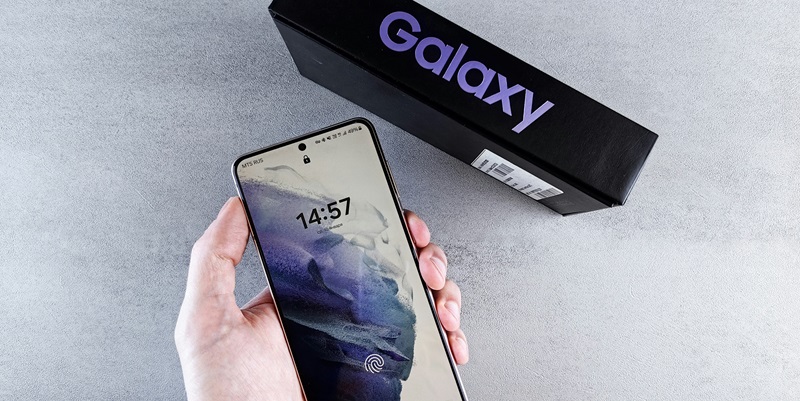
Samsung has officially introduced the Galaxy A16 5G, the latest addition to its mid-range Galaxy A series, promising significant longevity with six years of OS updates, extending up to Android 20. This new release follows the Galaxy A15 5G and incorporates enhancements mainly in its internal components and display size.
Display and Build
The Galaxy A16 5G comes equipped with a 6.7-inch Super AMOLED display, larger than the 6.5-inch display of its predecessor, the Galaxy A15 5G. Despite the increase in size to 164.4 x 77.9 x 7.9 mm, the device maintains a manageable weight of 200 grams. The screen resolution has been upgraded to 1080p, featuring a 120 Hz refresh rate and a peak brightness of 800 nits in High Brightness Mode.
Durability
A noteworthy upgrade in the Galaxy A16 5G is its IP54 certification, indicating resistance to dust and water splashes. This addition marks a significant improvement as the Galaxy A15 5G did not possess this level of durability. This added layer of protection ensures the phone can withstand everyday environmental challenges, making it a more reliable choice for users who need a robust device.
Design and Battery
Samsung continues to employ its ‘Key Island’ design motif in the Galaxy A16 5G, combined with a solid 5,000 mAh battery capable of 25W wired charging. The battery and charging specifications remain unchanged from the A15 5G, ensuring that users can expect similar endurance and quick recharge times. The emphasis on maintaining a powerful battery aligns with the overall focus on delivering a long-lasting user experience.
Camera System
The camera configuration of the Galaxy A16 5G includes a 50 MP primary camera, a 5 MP ultra-wide-angle camera, a 2 MP macro camera, and a 13 MP front-facing camera. This setup effectively mirrors the camera system of its predecessor, the A15 5G, indicating that Samsung is confident in the capabilities of this configuration for mid-range consumers. The multi-lens system offers versatility for various photography needs, from wide-angle shots to detailed close-ups.
Software and Updates
A significant highlight of the Galaxy A16 5G is Samsung’s commitment to six major Android OS updates beginning with Android 14 and One UI 6.1. This extended support guarantees that the device will remain up to date through to Android 20, which is an impressive promise in the mid-range market. Such extensive software support adds tremendous value, as consumers are assured of a device that will not become obsolete quickly.
Region and Pricing
Samsung has announced the Galaxy A16 5G, the latest member of its mid-range Galaxy A lineup, boasting remarkable longevity with six years of operating system updates, reaching up to Android 20. This release comes after the Galaxy A15 5G, offering notable improvements primarily in the internal hardware and display size. The Galaxy A16 5G is designed for users seeking a balanced device in terms of performance and price, as Samsung continues to expand its offerings in the mid-range segment.
Samsung’s commitment to extended OS updates means that users of the Galaxy A16 5G can look forward to continued support and new features well into the future, making it a wise investment for those who prefer to keep their devices for several years. The enhancements in internal components promise a smoother and more efficient user experience, while the larger display caters to those who enjoy media consumption on their smartphones. This latest model not only keeps up with the evolving demands of users but also positions itself as a competitive option in the mid-range market.