

Introduction
The persistent challenge of balancing the desire for cutting-edge smartphone technology with growing environmental concerns and budget constraints has found a compelling new answer from a major industry player. Samsung’s strategic decision to extend its Certified Re-Newed program into the European market marks a significant development for consumers seeking premium devices without the premium price tag. This move not only caters to economic sensibilities but also addresses the increasing demand for more sustainable consumption in the electronics sector.
This FAQ article aims to demystify the program for prospective buyers in Europe. It will delve into the specifics of what “Certified Re-Newed” actually means, explore the rigorous quality standards Samsung implements, and clarify which devices are available and where. By the end, readers will have a clear understanding of the value, reliability, and scope of this new offering, enabling them to make an informed decision.
Key Questions or Key Topics Section
What Is the Certified Re-Newed Program
The concept of a refurbished phone is not new, but the source of the refurbishment is what sets this program apart. Unlike devices sold by third-party resellers, which can have varying levels of quality and use non-original parts, Samsung’s Certified Re-Newed program involves products that are officially restored by the manufacturer itself. This initiative has been successful in the United States and Korea for several years, building a reputation for reliability.
Its recent introduction to Europe brings this same standard to customers in the United Kingdom, Germany, and France. Essentially, it creates an official, trustworthy channel for purchasing pre-owned flagship devices that have been meticulously inspected, repaired, and certified by Samsung engineers. This ensures that the device’s performance and condition are as close to new as possible, directly addressing common concerns associated with the second-hand market.
How Does Samsung Guarantee Quality
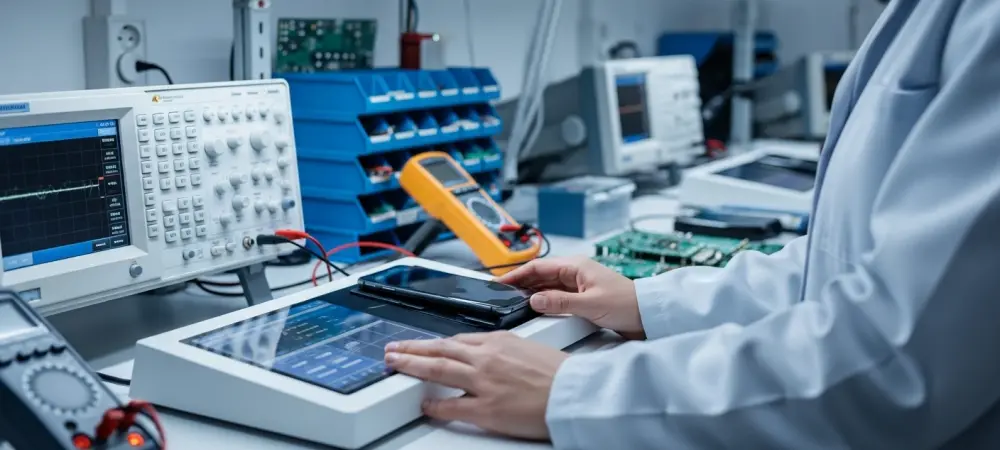
Confidence in a refurbished product hinges entirely on the quality of the restoration process. Samsung underpins its program with a comprehensive, multi-point refurbishment protocol designed to ensure every device meets its original factory standards. Each phone undergoes an exhaustive inspection and more than 100 quality tests to diagnose any potential issues with hardware or software.
Moreover, if any components are found to be damaged or degraded, they are replaced exclusively with genuine Samsung parts, maintaining the integrity and performance of the device. The software is wiped and updated to the latest version, and for enhanced security and authenticity in the European market, each phone is assigned a completely new IMEI number. The final product is then repackaged in a new box with all the standard accessories and, crucially, is backed by the same one-year warranty as a brand-new Samsung phone.
Which Devices Are Available and Where
The initial rollout of the Certified Re-Newed program in Europe is strategically focused on the popular Galaxy S25 series. However, the specific models, storage configurations, and pricing structures vary considerably between the launch countries, reflecting different market dynamics. For instance, Germany currently provides the widest selection, offering multiple storage options for the Galaxy S25, Galaxy S25 Plus, and Galaxy S25 Ultra.
In contrast, France offers the standard Galaxy S25 and the premium S25 Ultra, while the United Kingdom’s initial offering is limited to a single high-storage configuration of the Galaxy S25 Ultra. This phased approach allows Samsung to gauge regional demand before expanding the portfolio. Following the pattern seen in the U.S., where the Galaxy Z series was added, it is anticipated that these foldable devices and other models will eventually become available to European consumers as the program matures.
Summary or Recap
The Samsung Certified Re-Newed program provides a compelling middle ground for consumers who want premium technology that is both affordable and more environmentally conscious. It delivers a like-new experience by ensuring every device is restored with genuine parts and subjected to rigorous testing, which removes the uncertainty often associated with buying used electronics.
This initiative ultimately enhances consumer choice in the European market. By offering officially certified devices complete with a new box, accessories, and a full manufacturer’s warranty, Samsung makes owning a recent flagship smartphone more accessible. The program stands as a testament to the growing viability of the circular economy within the tech industry.
Conclusion or Final Thoughts
The expansion of Samsung’s Certified Re-Newed program into Europe represented a thoughtful response to evolving consumer priorities. It effectively bridged the gap between the high cost of new flagship devices and the potential risks of the uncertified second-hand market, offering a secure and reliable alternative.
This move did more than just present a new sales channel; it reinforced the idea that the lifecycle of a high-end electronic device could be responsibly extended. By standing behind its refurbished products with the same warranty as its new ones, Samsung set a powerful precedent that challenged perceptions and promoted a more sustainable approach to technology consumption.