

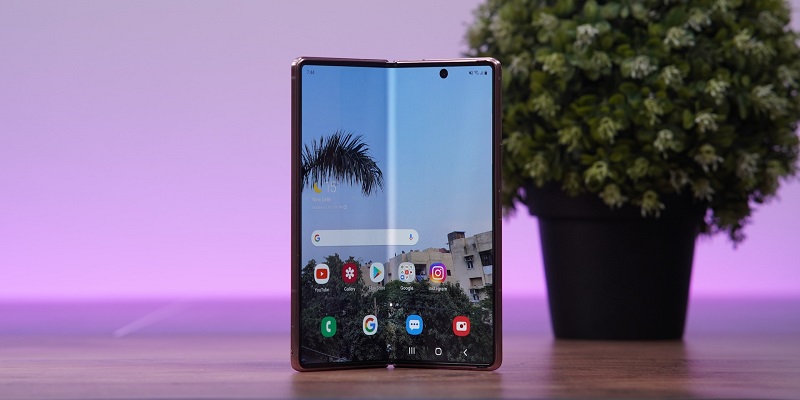
Samsung has made a name for itself in the realm of foldable smartphones with its Galaxy Z Fold series. But with the launch of the Galaxy Z Fold 5 looming just around the corner, rumors suggest that Samsung might not have a significant upgrade in store for users. Despite all the hype surrounding the new device that is set to launch later this year, some people are already looking at it with scepticism.
The Galaxy Z Fold 5: A Minor Upgrade?
While we all love new technology, there’s a sense of déjà vu surrounding the upcoming Galaxy Z Fold 5. According to the leaks we’ve seen so far, this new foldable phone from Samsung may not be a major upgrade over its predecessor. Some tech analysts have jeered Samsung, going as far as to say that the company is simply trying to cash in on its previous success rather than offering an innovative, updated version of the device.
Judging by the leaks we have seen so far
While it is not uncommon for tech enthusiasts and industry insiders to speculate on the upcoming features of smartphones, they do so based on reliable leaks, insider information, and other rumors. Unfortunately, in the case of the Galaxy Z Fold 5, the information that has leaked online points to a minor upgrade rather than a revolutionary change. Thus, it appears that the Fold 5 might not deliver in terms of the features and design that fans expected.
One potential disappointment to users could be the design of the Galaxy Z Fold 5. Based on leaks, the phone is expected to have nearly the same design as the Fold 4, which was already quite similar to previous models. This lack of innovative design might lead to some disappointment among fans who were expecting something new and exciting.
Samsung employees have expressed their disappointment with the design of the Galaxy Fold 5
According to rumors, some Samsung employees have expressed their disappointment with the design of the Fold 5, claiming it lacks the “wow” factor. One could say that Samsung is playing it safe and sticking with what has worked in the past, but this might not be enough to impress its customers.
Camera and Battery Specs
It has also been rumored that the phone will inherit the camera and battery specs of the outgoing model. While this is not necessarily a problem, it may lead to a lack of excitement about the device among users. However, there are also rumors that the phone may have the same megapixel count as the Fold 4, but will allegedly be equipped with new sensors. This could be a positive upgrade in the camera department, but again, it remains to be seen.
Recent rumors
Adding insult to injury, some of the recent rumors surrounding the Galaxy Z Fold 5 haven’t been encouraging. While some of these might turn out to be unfounded, they suggest that the device might not be the breakthrough that many were hoping for.
Processor and Other Features
One positive aspect of the phone is that it will be powered by the more efficient Snapdragon 8 Gen 2. This could result in faster and smoother performance and better power consumption, making it a significant improvement. Additionally, it’s possible that the device could be Samsung’s first foldable phone to offer dust resistance, which could be a desirable feature for some users concerned about the device’s longevity.
Competition in the Bendable Phone Market
Despite the potential for disappointment, the Galaxy Z Fold 5 still has an edge over its competition. Due to the limited availability of other bendable phones, Samsung has had no real competition so far. However, this could change in the future as more companies begin to release foldable devices.
All in all, the Galaxy Z Fold 5 might not be the groundbreaking new device that some fans were hoping for. Based on leaks and rumors, it appears that Samsung might be playing it safe in terms of design and features. While there are some positive aspects such as the efficient Snapdragon 8 Gen 2 processor, it remains to be seen whether this will be enough to impress users. In the end, Samsung will have to exercise caution with the pricing as it could determine the success of the device.