

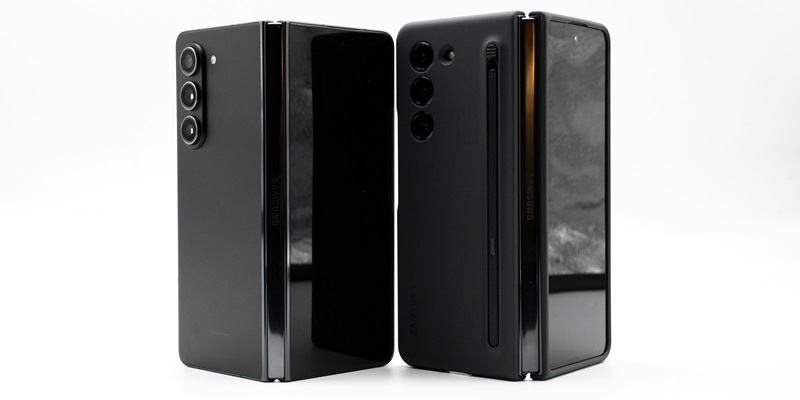
The Samsung Galaxy Z Fold 5 epitomizes the convergence of smartphones and tablets into one cutting-edge device. Crafted for versatility, it offers a transformative digital journey, effortlessly switching between the personal and the professional. In its latest model, Samsung boldly takes on the task of blending form and function, shaping a unified gadget that fits neatly into your lifestyle.
This device isn’t just a step into the future; it’s a significant stride in the evolution of mobile technology, where the user’s need for a fluid, dual-use gadget is paramount. The Z Fold 5 marks a turning point, heralding an era where adaptability is as crucial as performance. In folding open a world of possibilities, Samsung’s Z Fold 5 promises to be as much a workhorse as it is a window to leisure, offering the power and convenience necessary to cater to the dynamic rhythms of modern life.
Unfolding the Future: Flex Mode Innovation
One of the standout features of the Samsung Galaxy Z Fold 5 is its Flex mode—a design marvel that transforms the device into a mini-laptop. This function splits the screen and allows the user to interact with the top half while using the bottom as a touchpad or a secondary display for additional apps. In the age of remote work and virtual meetings, such flexibility changes the game, empowering users to multitask like never before. Whether propped up for an impromptu presentation or laid flat for collaborative projects, the Z Fold 5’s Flex mode channels the future into present practicality.
Samsung’s approach to software optimization in Flex mode exemplifies their dedication to user-centric design. Recently, they introduced touchpad functionality for non-native apps within the Advanced features’ Labs section—a significant enhancement to the Z Fold 5’s usability as a computer alternative. This inclusion exhibits Samsung’s recognition of our evolving interaction with technology and their commitment to ensuring the foldable phone isn’t just a novelty but a productivity powerhouse.
Multitasking Mastery: Beyond the Fold
The Samsung Galaxy Z Fold 5 excels in multitasking, mirroring the intricate harmony of a well-conducted symphony. Its persistent multi-window menu echoes the utility of desktop environments, allowing concurrent use of various apps. This seamless integration extends from phone to tablet mode, showcasing Samsung’s dedication to a consistent user experience and uninterrupted productivity.
App coherence on the Z Fold 5 is unmatched. Samsung has refined software to ensure smooth transitions between screens, with apps maintaining context and functionality. This key feature underlines the device’s adaptability, positioning the Z Fold 5 as a leader in foldable tech.
The Galaxy Z Fold 5 represents a significant step in mobile innovation. It blurs the line between different form factors, thanks to Flex mode, proficient multitasking, and flawless app integration. This device is a testament to innovation and user-focused design, redefining the user’s tech experience with supreme efficiency and creativity.